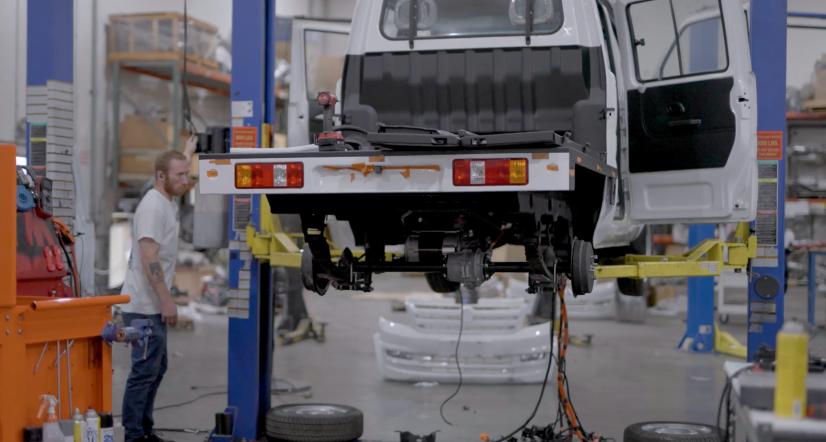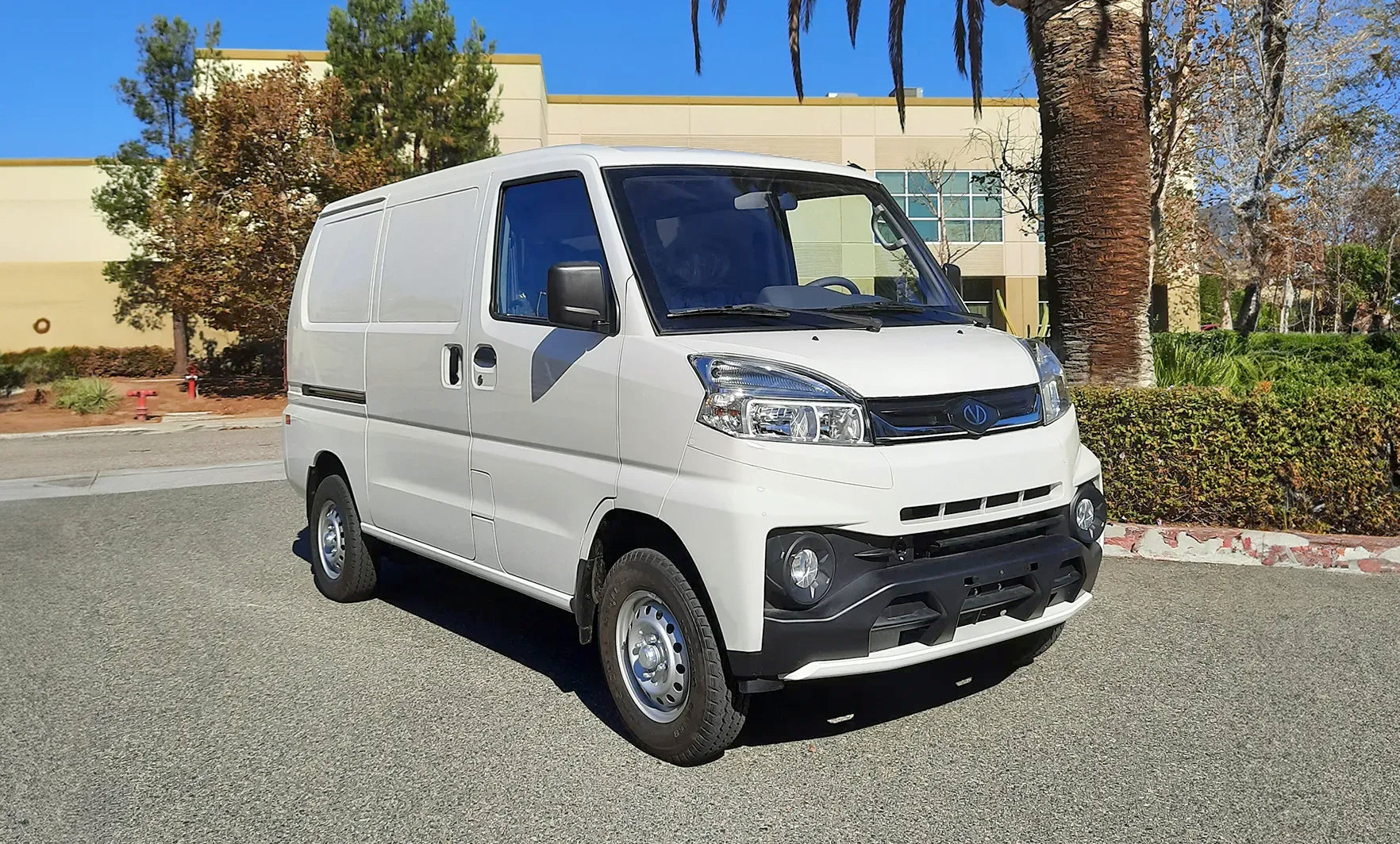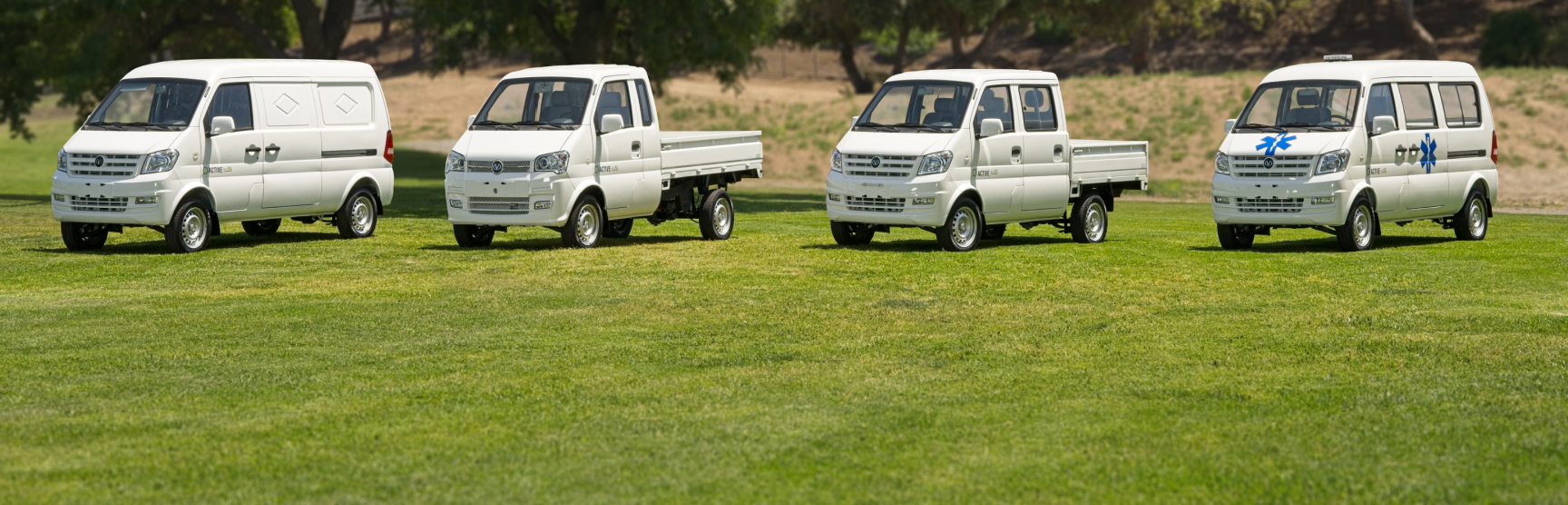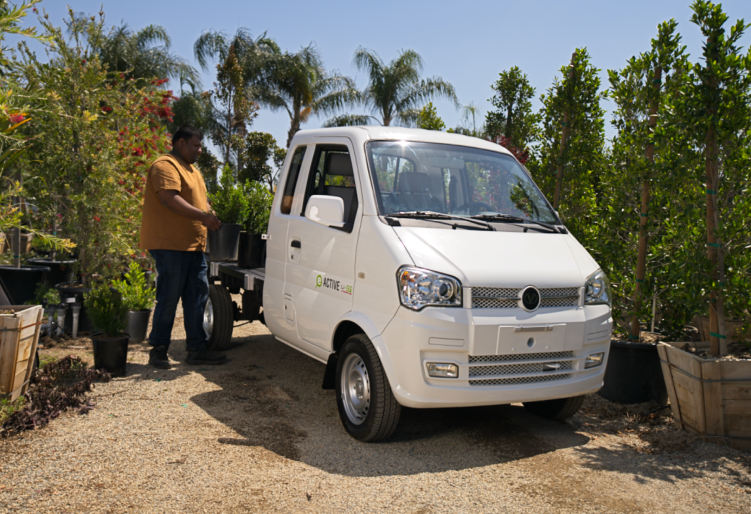
Electric utility vehicles can reliably move tools and materials, but some of their most useful purposes go well beyond basic hauling. With custom equipment, they can serve a wide variety of applications. Vantage offers truck and van configurations with model-specific...
Event planners often work within narrow load-in windows while crews move staging materials, audiovisual equipment, signs, and supplies across a large site. Long distances between loading areas and event spaces can turn each forgotten item into a delay. A low-speed...
A memorable winery visit depends on more than the wine itself. Guests also notice how easily they can explore the property, how comfortable they feel throughout their visit, and how smoothly the winery manages tours, tastings, and special events. Electric...
Modern data centers are built for continuous operation. Every minute of downtime can affect customers, disrupt critical services, and create significant financial consequences. Keeping these facilities running efficiently depends on much more than servers and networking equipment. It also requires...
For a vineyard, cleaner transportation can support both fieldwork and hospitality. An electric low-speed vehicle (LSV) gives teams a practical way to move across the property without using a gas-powered truck for every short trip. For vineyard owners, winery operators,...
Choosing a vineyard utility vehicle starts with the work, not the vehicle category. A vehicle used mostly for irrigation checks does not need the same setup as one used for grounds maintenance, crew transport, event support, or short local road...
Utility vehicles, including low-speed vehicles (LSVs), play a daily role in property management by supporting a variety of operations across residential properties and commercial sites. The right vehicle helps teams move efficiently between tasks, transport tools and materials, and respond...
For data center managers responsible for uptime, the ability to move people and materials quickly is part of day-to-day performance. Low-speed utility vehicles support data center operations in a number of ways: reducing travel time, organizing internal transport, and helping...
Sustainability in modern real estate development extends well beyond building materials and energy systems. The way people, staff, and services move through a property also shapes its environmental impact and long-term performance. For developers planning residential, mixed-use, or selected commercial...
Managing a single property is one thing. Managing a portfolio is another. In multi-property management, teams are responsible for keeping operations running across multiple residential, commercial, or mixed-use sites at once. That includes a variety of tasks: maintenance response, inspections,...
Large real estate development projects depend on constant movement across the site. Crews transport tools, supervisors move between work zones, and materials travel from staging areas to active construction zones throughout the day. For real estate developers and property builders,...
Effective HOA maintenance plays a major role in the long-term value of these kinds of residential communities. From landscaped entrances to shared amenities, maintenance teams help ensure that common spaces remain clean and welcoming for residents. In many communities, this...
Short, repetitive trips define daily life inside many gated communities—from mail kiosks and clubhouses to fitness centers and gatehouses. Walking works for some residents some of the time, but not for everyone, and full-size vehicles often feel out of scale...
In gated communities and planned residential developments, security teams have plenty of responsibilities. Among other tasks, they’re expected to cover large areas quietly, resolve minor issues quickly, and maintain a reassuring presence without disrupting daily life. That’s where electric utility...
A golf course fleet is a long-term operational asset, not a collection of individual carts or golfer-focused vehicles. When vehicles are purchased one at a time, small mismatches add up, leading to extra trips, inconsistent setups, uneven wear, and higher...
Running a golf course depends on reliable mobility. From early-morning setup to afternoon maintenance loops, the right golf course utility vehicles keep crews moving, tools organized, and turf protected. In recent years, purpose-built low-speed vehicles (LSVs) have become increasingly accepted...
As golf course owners and managers aim to improve efficiency, guest experiences, and sustainability, electric utility vehicles are emerging as game-changers. Gone are the days when vehicles were considered just “equipment.” Today, electric utility vehicles are strategic assets that strengthen...
Teams that already use low-speed vehicles (LSVs) know how practical they are inside a campus or facility. Among other helpful functions, they give fleets a way to connect separate sites, link parking areas to work zones, or move staff through...
From airports to campuses, the low-speed vehicle (LSV) is becoming a cornerstone of modern fleet operations. Once confined to golf courses and gated communities, today’s low-speed vehicles are evolving into connected, data-rich assets capable of serving commercial fleets as well...
From early-morning maintenance rounds to late-night event breakdowns, zoos and theme parks depend on constant motion. The scale of these operations—sprawling acreage, complex habitats, guest facilities, and back-of-house logistics—demands more than foot traffic or large trucks. In these hectic environments,...
Across modern retirement communities and 55+ neighborhoods, reliable mobility and efficient operations are essential to creating a safe, comfortable environment for residents and staff alike. Many of these developments span several acres, with recreation centers and other onsite facilities spread...