Utility Vehicles for Real Estate Developers and Property Builders

Large real estate development projects depend on constant movement across the site. Crews transport tools, supervisors move between work zones, and materials travel from staging areas to active construction zones throughout the day. For real estate developers and property builders, improving how people and equipment move across a site can directly affect safety and project timelines.
This is where construction utility vehicles can play an important role. Modern utility vehicles, including low-speed vehicles (LSVs), provide a practical way to move crews and materials across large properties without relying on full-size trucks for every task. Utility vehicles can support literally every stage of a development project—from early site work to long-term property maintenance.
Why Real Estate Development Sites Need Better On-Site Mobility
Construction and development sites often cover significant ground. Without dedicated construction site vehicles, crews may rely on walking or using full-size trucks for short trips. Both options can slow work down.
Common mobility challenges across development sites include:
- Long distances between building phases or jobsite zones
- Frequent transport of tools and supplies between work areas
- Supervisors and inspectors needing quick access across the property
- Repetitive short trips that do not justify full-size vehicles
For real estate developers and property builders, these challenges can add up quickly. A dedicated work utility vehicle helps close that gap by providing reliable transportation for routine site movement.
How Construction Utility Vehicles Support Builders and Development Teams
Modern construction utility vehicles serve several practical roles across development sites. Instead of acting as simple transportation, they support daily operations that keep projects moving forward.
Crew Transport Across Active Jobsites
Using a small electric utility vehicle allows supervisors and maintenance teams to move quickly across internal roads and unfinished areas of the property. This improves coordination between crews and allows supervisors to reach issues faster when problems arise.
For large residential or commercial developments, reliable mobility helps teams maintain oversight across the entire project. On phased projects, where several buildings may be at different construction stages, utility vehicles allow supervisors and crews to move quickly between zones.
Tool and Material Hauling for Short Routes
Many construction utility vehicles include practical hauling features designed for jobsite work. Rather than carrying tools by hand, crews can move equipment efficiently using LSVs equipped with:
- Large cargo beds for tools and construction materials
- Stake sides or dump bed options for debris removal
- Towing capability for small trailers or equipment
- Storage for ladders, toolboxes, and supplies
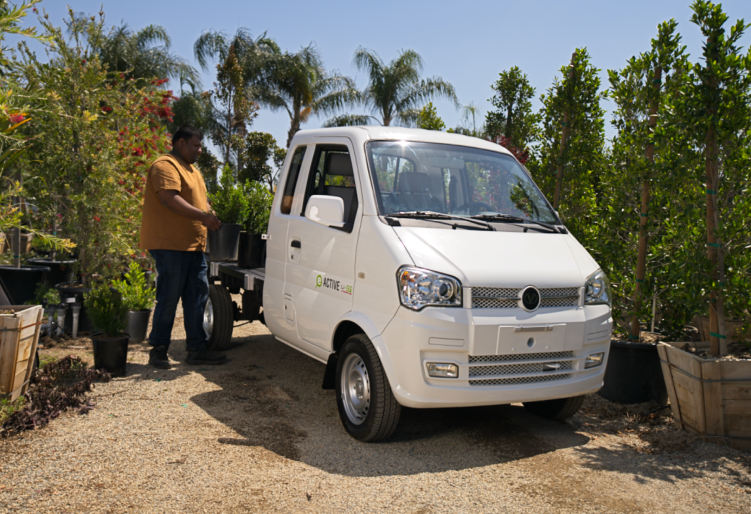
For example, the Vantage electric Crew Cab Truck provides space for both crew members and cargo, making it useful for teams that need to move workers and supplies together.
Support for Property Maintenance After Construction
Once construction ends, mobility remains important across the finished property.
Property managers and maintenance teams often use utility vehicles to support daily operations such as:
- Landscaping and grounds maintenance
- Amenity and common-area inspections
- Lighting and infrastructure checks
- Trash and debris collection
- Transport of maintenance equipment
For large residential communities, apartment complexes, and mixed-use developments, low-speed utility vehicles allow maintenance teams to cover the property efficiently without relying on larger fleet vehicles. In many cases, the same vehicles used during construction can continue serving the property after completion, supporting maintenance teams and daily inspections.
Electric Utility Vehicles and Sustainable Fleet Planning

Sustainability goals are becoming increasingly important in real estate development. Many developers now look for ways to reduce emissions and improve environmental performance across their various projects. This is one reason electric utility vehicles are gaining attention in this sector.
Compared with traditional gas-powered fleet vehicles, electric low-speed vehicles offer several advantages:
- Zero tailpipe emissions during operation
- Quiet operation, which is valuable for residential environments
- Lower energy consumption for short internal trips
- Reduced fuel logistics for fleets operating on private property
For example, the Vantage Extended Cab Truck provides the capabilities of a standard work truck while maintaining the compact size needed for construction sites and completed properties.
Where Vantage Vehicles Fit
For developers and builders, Vantage vehicles provide a versatile fleet option designed around practical jobsite needs.
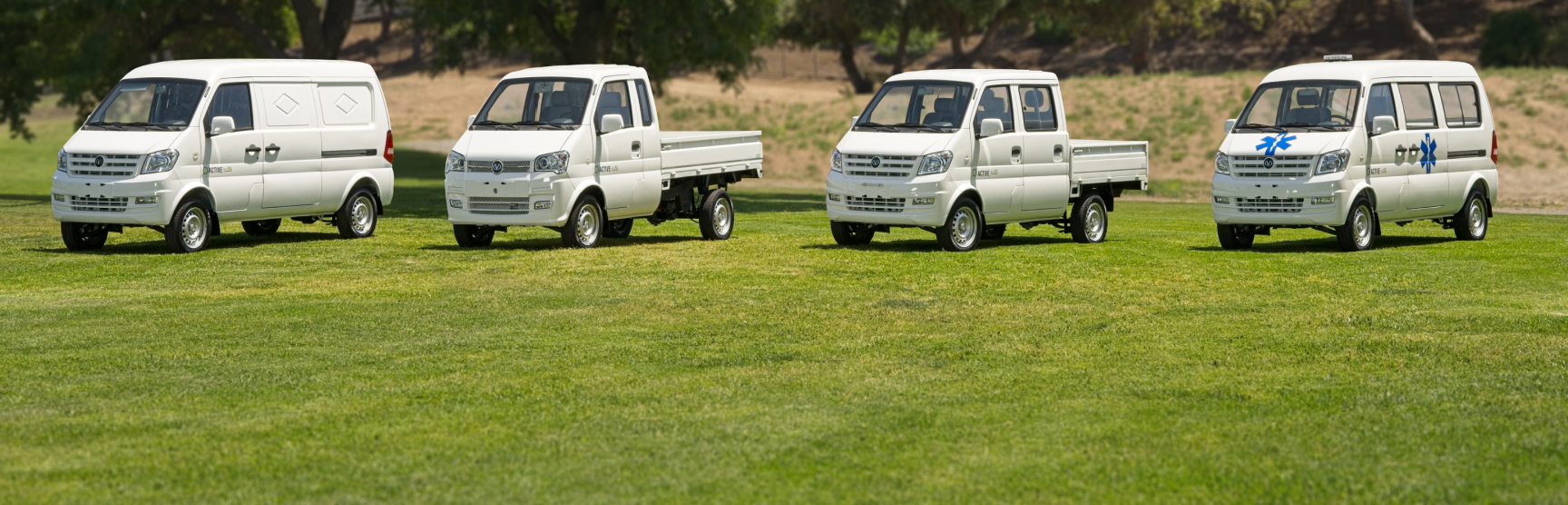
Available in both electric and gas-powered models, our LSVs support a wide range of development and property operations.
Electric utility vehicles
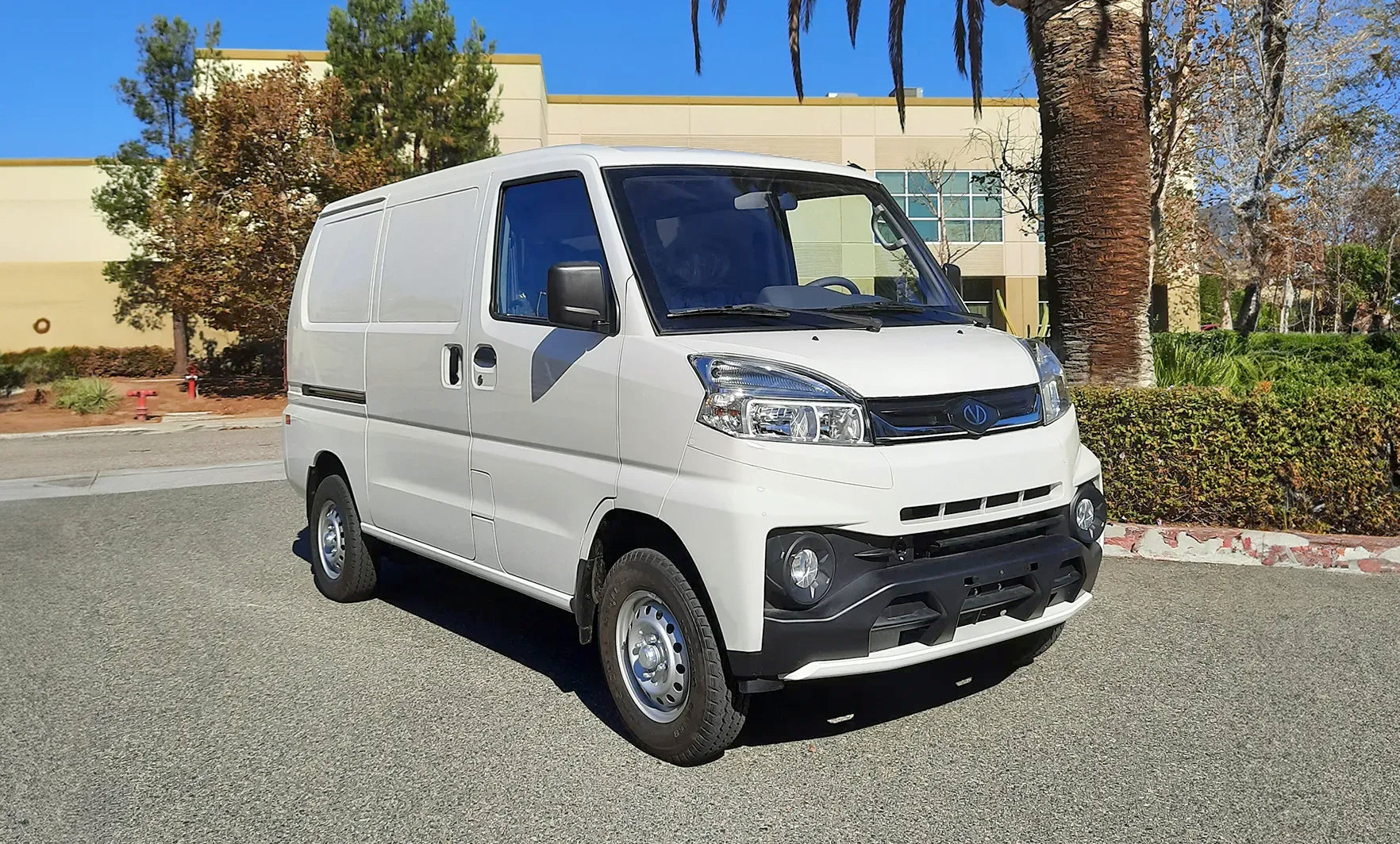
Electric models such as the Vantage Panel Van support lower-emission fleet strategies for modern real estate projects. Their standard features include:
- 100 Ah Lithium battery (with optional extended-range capacity), designed to charge from a standard 20-amp dedicated circuit—no specialized connectors required
- Zero-emissions
- Fully enclosed interior
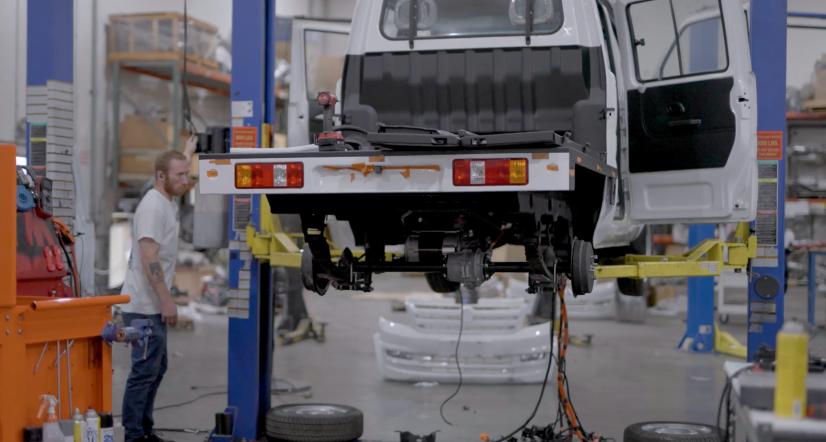
- Full unibody construction designed for durability
For anyone searching for dependable construction site vehicles, Vantage’s electric LSVs provide an excellent option.
Gas-powered utility vehicles
For projects that require extended run time or lack charging infrastructure, Vantage gas-powered work utility vehicles, such as the Standard Truck, are ideal for active construction environments.
- Heavy-duty design for demanding jobsite use
- 4-speed automatic transmission for straightforward operation
- Full-sized hauling capacity for materials and equipment
- EPA-approved engines
- Fully enclosed interior designed for worksite use
- Full unibody construction for strength and durability
Across both electric and gas models, Vantage vehicles share several practical features that support everyday jobsite operations, including headlight beam level control, steel wheels, cabin heating, Bluetooth connectivity, and a spare tire. Both lines are built for all-weather, all-season capability.
These features help ensure that Vantage utility vehicles remain practical and dependable tools for developers and builders managing active projects and long-term property operations.
Choosing the Right Fleet for Development and Property Operations

As development sites grow larger and projects become more complex, mobility across the property becomes increasingly important.
For many developers and builders, the most effective solution is often a small fleet of utility vehicles customized for different tasks.
A balanced fleet might include:
- Electric work trucks or vans for daily internal site transport
- Gas-powered LSVs for longer shifts or demanding workloads