Top Features to Look for When Buying Utility Vehicles for Property Management

Utility vehicles, including low-speed vehicles (LSVs), play a daily role in property management by supporting a variety of operations across residential properties and commercial sites. The right vehicle helps teams move efficiently between tasks, transport tools and materials, and respond quickly to service needs.
For property managers and owners, selecting the right equipment means looking beyond basic specs and focusing on how a utility vehicle will perform in real working conditions.
Analyze the Property’s Daily Routes and Tasks
Every property management company operates differently, so the first step is to define how a utility vehicle will be used day to day. Some properties require frequent movement between buildings for maintenance calls, while others need support for groundskeeping, trash collection, or security patrols.
Common use cases include:
- Transporting maintenance staff and tools across a residential property or campus
- Supporting landscaping and grounds crews
- Handling refuse collection or moving bulk materials
- Performing routine inspections or facility checks
- Moving equipment between service areas or storage locations
Route design is also a consideration. Many properties rely on internal roads and service lanes, while others may require short trips between nearby locations. A clear understanding of these patterns will help narrow down the most appropriate utility vehicles.
Durability and Build Quality
In property management, vehicles are often used throughout the day, which makes durability a top consideration. A utility vehicle should be built to handle repeated short trips and consistent use across paved surfaces and mixed environments.
Look for:
- Strong structural construction that supports long-term use
- Reliable braking and suspension systems for daily operation
- Protection for key components to reduce wear
- Designs that support year-round use across varying conditions
Durability affects uptime. A vehicle that requires frequent repairs can slow down maintenance schedules and increase operational costs, so build quality is a practical concern for facility management teams.
Payload Capacity, Cargo Space, and Storage

A utility vehicle should match the type and volume of materials your team needs to move. Payload capacity and cargo layout directly affect how efficiently maintenance and service tasks can be completed.
Features to evaluate include:
- Payload capacity for tools, equipment, and materials
- Open-bed or enclosed cargo configurations
- Ease of loading and unloading
- Lockable storage for tools and supplies
- Organization options such as cargo dividers or shelving
For many property managers, the choice comes down to how the vehicle will be used most often. Some tasks benefit from an open bed for bulk materials, while others call for enclosed storage to protect tools and supplies.
Passenger Capacity and Crew Movement
Seating capacity plays a direct role in productivity. A single technician handling routine service calls may need minimal seating and more cargo space, while larger properties may require transporting small crews.
Consider:
- One- or two-person setups for maintenance work
- Multi-passenger configurations for team transport
- The balance between seating and available cargo space
- Use cases such as inspections, security patrols, or supervisor movement
Choosing the right configuration helps reduce unnecessary trips and improves overall efficiency across the property.
Electric vs. Gas-Powered Efficiency
Property managers should evaluate how a utility vehicle will fit into daily operations when comparing electric and gas-powered options.
An electric utility vehicle can be well suited for properties with predictable routes, central parking areas, and access to charging. These low-speed vehicles produce zero emissions at the point of use, which may align with sustainability goals or operations in areas where it is necessary to minimize tailpipe emissions.
Gas-powered vehicles may be better suited for longer shifts, heavier workloads, or properties where charging infrastructure is limited. They can support extended run times without the need to recharge during the day.
Speed, Street-Legal Use, and Registration

Speed should be evaluated based on where the vehicle will operate. Most property management environments involve low-speed travel across private roads, parking areas, and service routes.
Electric low-speed vehicles can be a practical option for these environments. Many models are designed to operate at controlled speeds and may be approved for limited on-road use.
For example, Vantage electric LSVs can reach a governed speed of 25 mph and may be street legal on roads posted up to 35 mph, depending on state and local requirements. These vehicles may be useful for short public-road connections between nearby properties or brief trips into town when highway travel is not required.
Property managers should confirm local regulations regarding registration, insurance, and permitted road use before making a purchase.
Operator Comfort and Weather Protection
Comfort affects how effectively a vehicle can be used throughout the workday. Maintenance teams and facility staff may spend hours in a vehicle, especially on larger properties.
Key considerations include:
- Enclosed cab design for protection from weather
- Heating and available air conditioning
- Visibility for safe operation in busy areas
- Doors and windows that support daily use
- Safety features such as backup cameras or warning alarms
A well-designed cab helps reduce fatigue and supports consistent use across different seasons.
Fleet Compatibility and Long-Term Support
For organizations managing multiple vehicles, fleet compatibility becomes an important factor. A utility vehicle should fit into existing fleet services and operational workflows.
Consider:
- Consistency across vehicle types for easier training
- Maintenance planning and service intervals
- Charging or fueling infrastructure
- Storage and parking requirements
- Integration with fleet tracking or vehicle tracking systems
Standardizing a fleet can simplify operations and support long-term efficiency for management teams.
How Vantage Vehicles Support Property Management Fleets

Taking these points into account makes it easier to see how Vantage vehicles can support property management teams in practice. Vantage vehicles offer several features that accommodate their needs:
Flexible Power Options
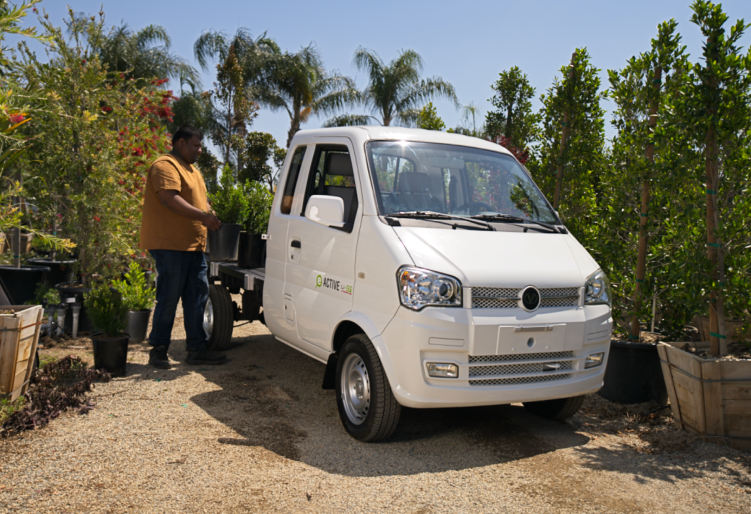
Vantage offers both electric utility vehicle models and gas-powered options. Electric models support zero-emissions operation and charge from a standard 20-amp dedicated circuit, while gas-powered vehicles are suited for longer shifts or heavier use.
Configurable Body Styles
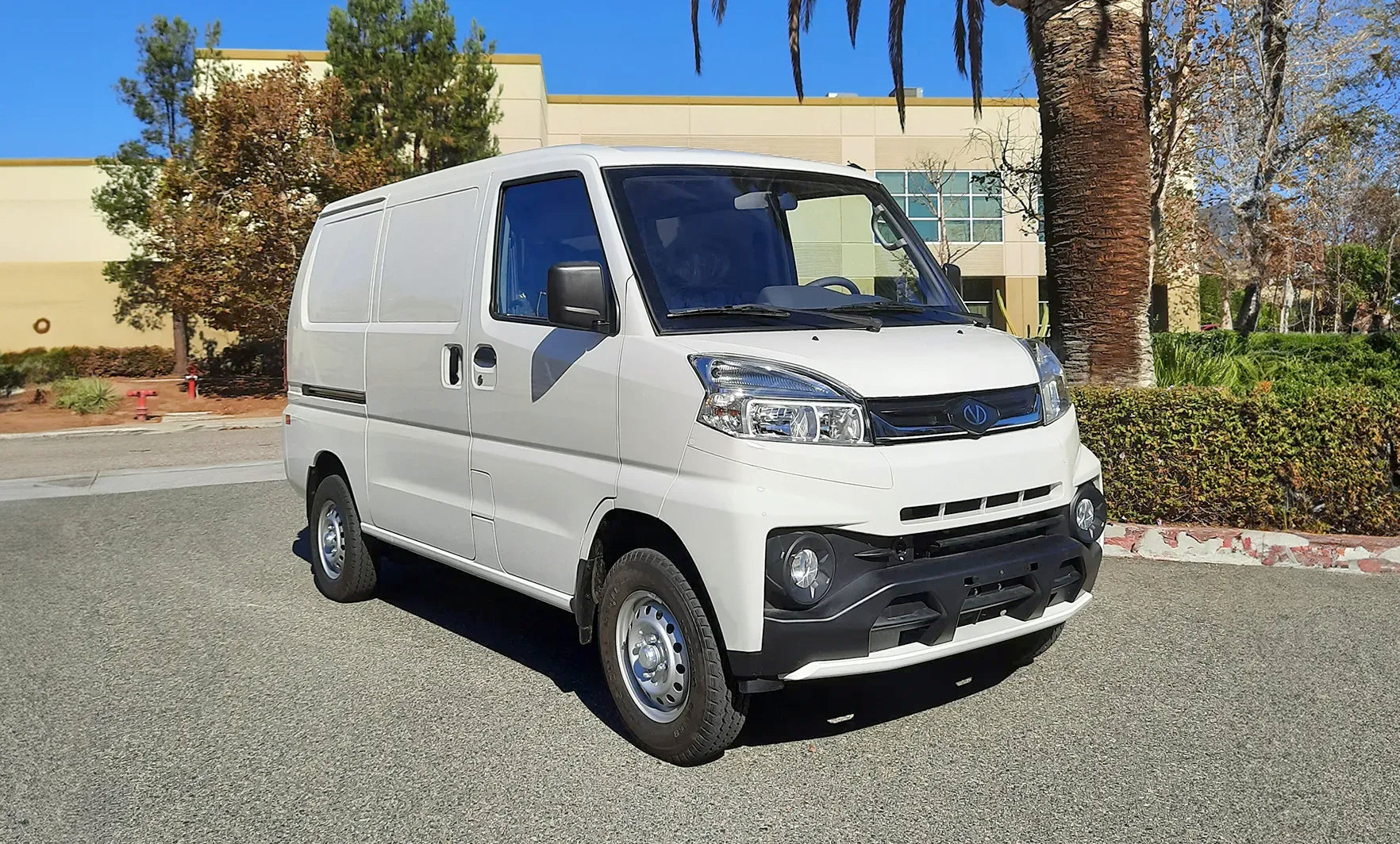
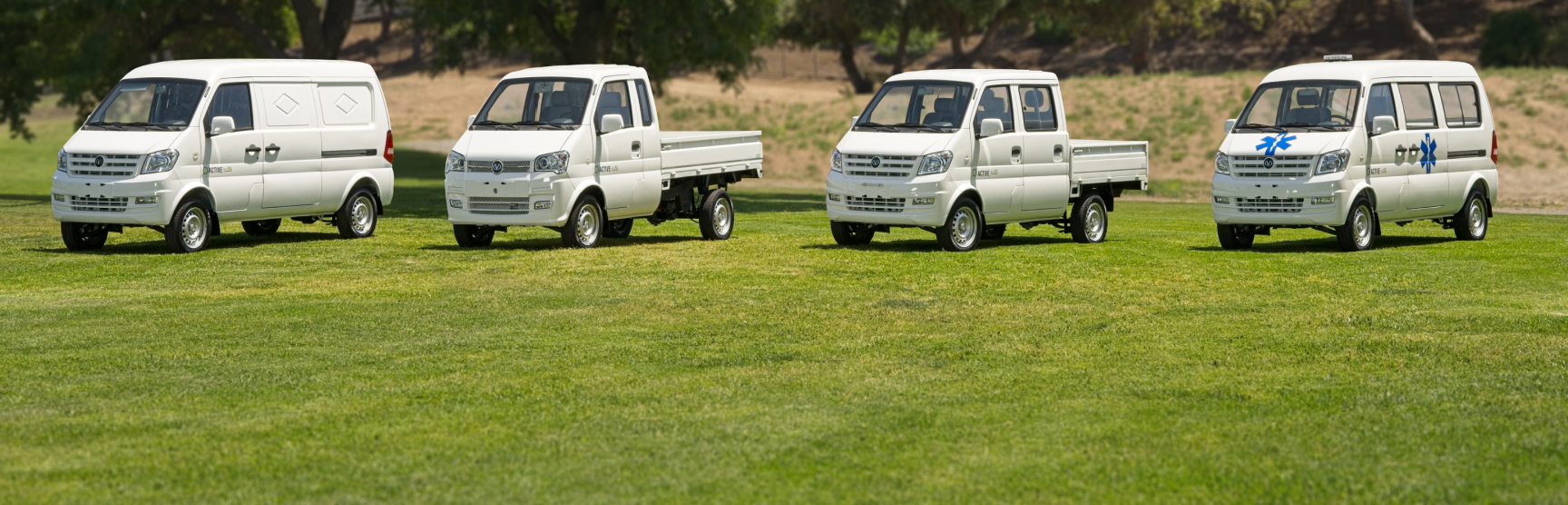
Truck, Panel Van, and Window Van configurations allow managers to choose between open cargo, enclosed storage, or added passenger space depending on daily tasks. Available payload capacity varies by model, so teams can compare configurations based on how much weight they need to move.
Built for Daily Use
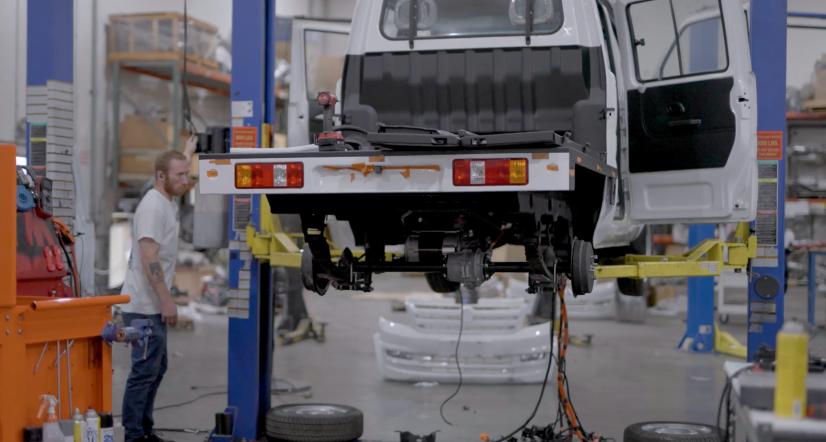
Fully enclosed interiors support year-round operation, and full unibody construction is designed for consistent use across these environments.
Adaptability for Multiple Roles
Available add-ons—including toolboxes, ladder racks, cargo dividers, liftgates, and tipper dump beds—help a single vehicle platform support maintenance, landscaping, and facility work. Specialty vehicles such as the Refuse Hopper models also allow management teams to handle on-site waste collection using the same platform.
Support for Multi-Property Operations
With VINs and the ability to register where permitted, our low-speed vehicles may be used for short public-road connections between nearby properties.
By focusing on how a vehicle will be used across real tasks and routes, property managers can select equipment that supports both immediate needs and long-term fleet solutions. Property owners and real estate management teams can explore our catalog of gas and electric low-speed vehicles built to support maintenance, transportation, and fleet services across residential and commercial properties.