Sustainable Vineyards: Reducing Emissions With Electric LSVs

For a vineyard, cleaner transportation can support both fieldwork and hospitality. An electric low-speed vehicle (LSV) gives teams a practical way to move across the property without using a gas-powered truck for every short trip. For vineyard owners, winery operators, and agricultural managers, this creates a more efficient path toward lower-emission daily transportation.
The Need for Reliable Transportation in Vineyards
Many sustainable practices focus on soil health, water use, packaging, or renewable energy. Vehicle use deserves the same attention. A vineyard may use trucks and utility vehicles for a variety of purposes, such as crew movement and hospitality support. When those trips happen repeatedly, fuel use and emissions can add up.
An electric LSV produces no tailpipe emissions during operation. For a sustainable winery, this creates a practical path to reduce their carbon footprint without changing the larger structure of vineyard management.
The point is not to replace essential farm equipment. It is to reduce unnecessary gas-vehicle use during routine, lower-speed movement across the property.
Electric vehicles can also help reduce fuel spending. Instead of sending a gas-powered truck across the property for small supply runs or guest support, teams can use sustainable transportation that fits the scale of the task.
Where an Electric LSV Fits in Vineyard Work

An electric LSV can support the routine movement that keeps a vineyard running. These vehicles are especially useful on low-speed property routes where teams require dependable transportation but do not need highway capability. Compared with full-size work trucks, electric LSVs give vineyard teams a smaller-format vehicle for short, low-speed property routes.
Common applications include:
- Moving staff between work areas
- Carrying tools for vine checks, repairs, or irrigation inspections
- Supporting harvest prep with small equipment and supplies
- Restocking tasting rooms or event areas
This type of vehicle can be especially valuable for vineyards that want a quieter, cleaner experience around guest-facing areas. Low noise levels tend to be ideal during tastings, tours, weddings, and private events. Cleaner movement around patios and hospitality spaces also supports an environmentally responsible brand image.
Vantage Vehicles for Sustainable Vineyard Operations
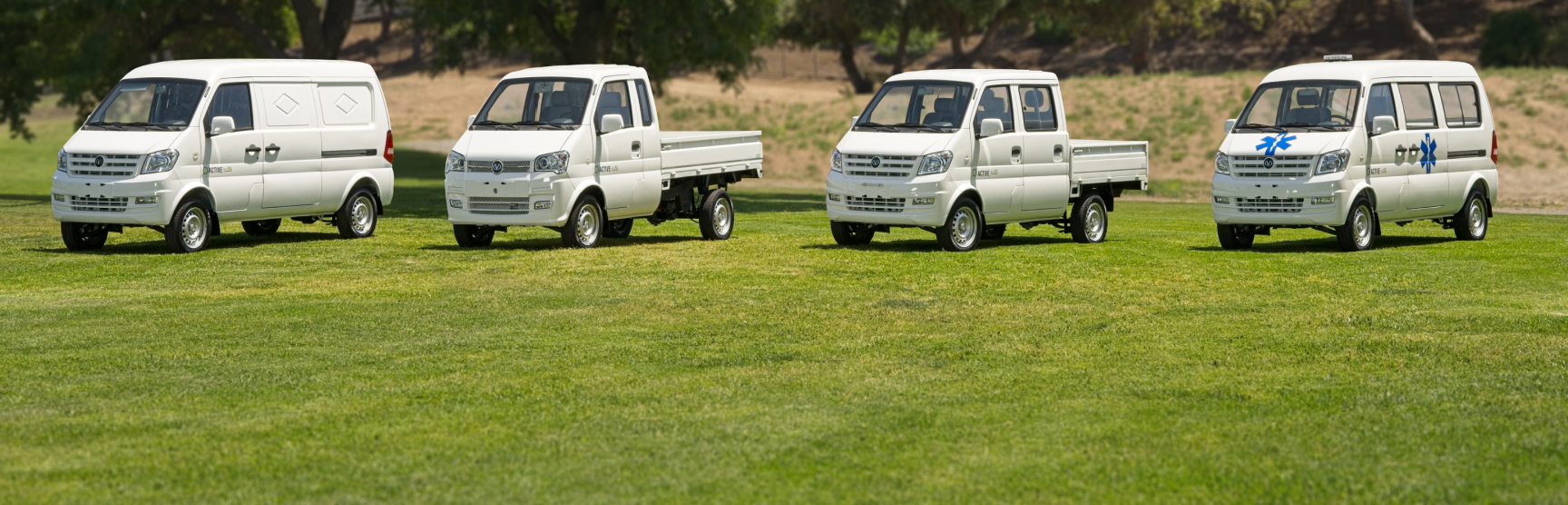
Vantage offers several electric low-speed vehicles that can help vineyards and wineries improve fleet efficiency.
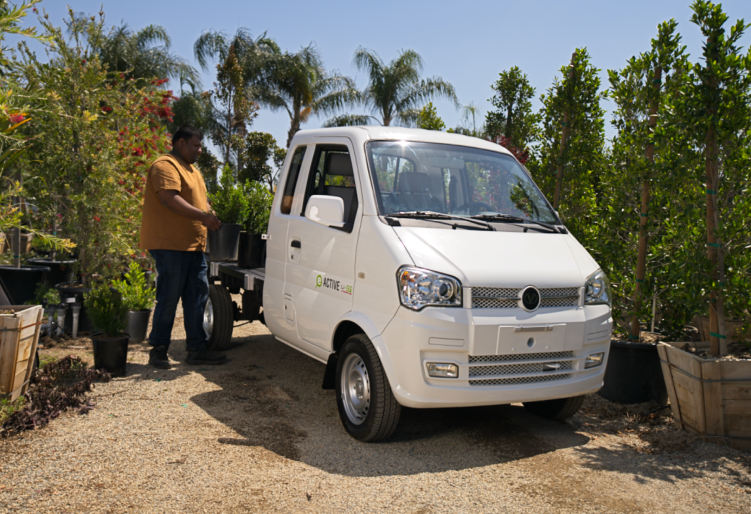
The Extended Cab Truck is a strong fit for maintenance teams that need to move tools, irrigation parts, and light cargo. It gives staff a practical work vehicle while supporting zero-emission operation.
The Crew Cab Truck is useful when teams need to move people and materials in the same trip. For vineyard crews or hospitality staff, that can reduce extra vehicle runs across the property.
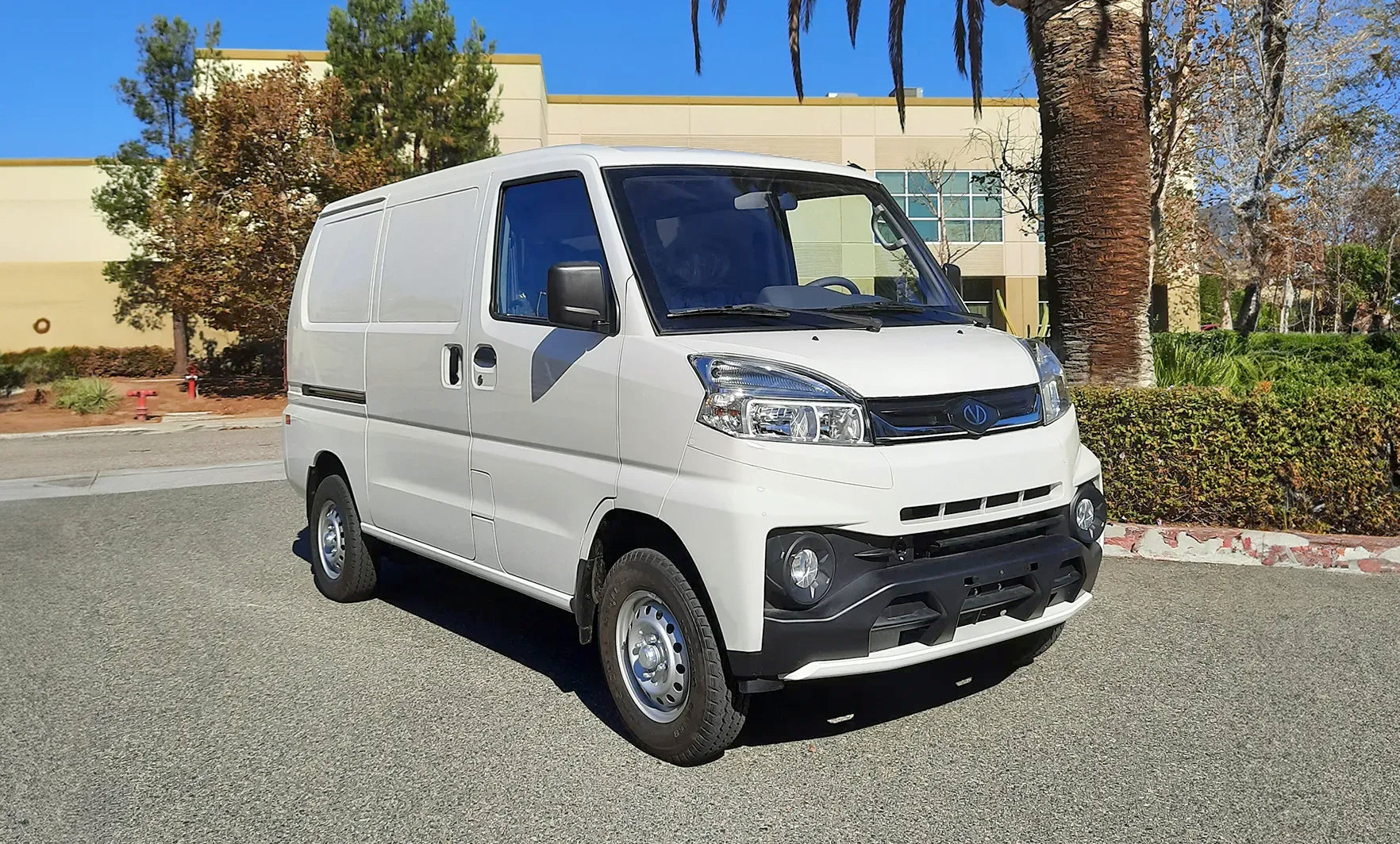
The electric Panel Van is a good option for enclosed cargo. It can protect event materials, boxed supplies, tasting-room items, or maintenance gear from weather. For properties that host regular events, an enclosed LSV can help support hospitality logistics without adding tailpipe emissions near guests.
Our electric LSVs are designed for convenient charging from a standard 20-amp dedicated circuit. Optional J1772 charging input is also available for 240 V charging. For many vineyard facilities, that can make charging easier to plan around barns, shops, or equipment-storage areas.
Street-Legal Value for Short Local Runs
Some vineyard operations need short trips beyond the property. With a governed 25-mph top speed, Vantage electric LSVs are built for low-speed transportation on and beyond the property. They include VINs, can be state-registered, and may be permitted on roads posted up to 35 mph where local regulations allow.
For vineyards with short runs into town or adjacent hospitality properties, that flexibility may be useful when no highway travel is required. It gives operators a low-speed vehicle that can support both on-site movement and limited local access.
A Practical Step Toward Lower-Emission Vineyard Management
 The wine industry has a long connection to sustainable agriculture. Transportation is one more place where better choices can make a measurable difference. By replacing many short gas-powered trips with an electric LSV, a sustainable vineyard can lower fuel use, support cleaner daily movement, and improve the guest experience.
For vineyards and wineries looking to align fleet decisions with sustainable practices, our electric LSVs offer a practical way to bring carbon footprint reduction into everyday operations.
Explore the Vantage Vehicle inventory to find the right fit for your vineyard, winery, or agricultural operation, including electric LSVs, gas-powered vehicles, trucks, vans, and specialty configurations built for daily work.