LSV Fleet Solutions for Multi-Property Managers

Managing a single property is one thing. Managing a portfolio is another. In multi-property management, teams are responsible for keeping operations running across multiple residential, commercial, or mixed-use sites at once. That includes a variety of tasks: maintenance response, inspections, supply movement, and day-to-day coordination between buildings and service areas.
An LSV fleet gives property managers a more consistent way to handle those responsibilities while improving efficiency across the entire portfolio.
Why Multi-Property Portfolios Create Different Transportation Challenges
In property management, transportation needs rarely stay confined to one location. Teams often move between buildings, parking structures, leasing offices, maintenance areas, and shared amenities across several sites. For anyone responsible for apartment property management or mixed-use developments, that means a lot of short-distance travel throughout the day.
Full-size trucks are not always the right fit for these repeated trips. They take up more space, cost more to operate, and can slow down movement in tighter property environments. At the same time, basic golf carts often lack the cargo capacity and durability needed for daily maintenance work.
This is where low-speed vehicles (LSVs) come into play. LSVs are designed for low-speed zones and can be street-legal using public roads with posted speed limits of 35 mph or less, where local regulations permit. This allows teams to move between nearby, non-adjacent properties using public roads instead of relying on trailers or full-size vehicles.
Where LSV Fleet Solutions Make the Biggest Difference
LSV fleets make the biggest impact in the routine transportation tasks that drive maintenance and operations across multiple properties.
Maintenance and Facilities Response
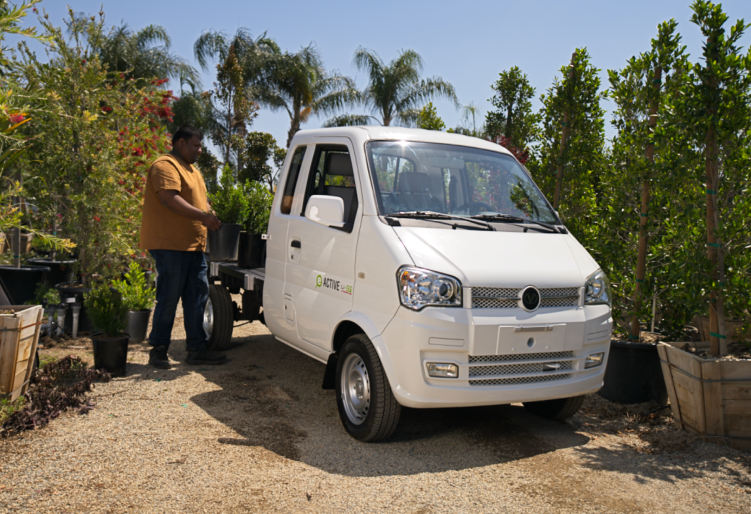
Maintenance teams need to move quickly between service calls while carrying the tools and materials required to complete the job. An electric Extended Cab Truck supports this workflow by combining enclosed seating with a full-sized cargo bed.
For facility management teams, this type of electric utility vehicle makes it easier to handle routine repairs, lighting checks, signage updates, and preventative maintenance without returning to a central shop between tasks. That translates to faster response times and fewer delays.
Grounds and Exterior Operations
Grounds crews often follow predictable routes across parking areas and other shared exterior spaces. In larger portfolios, those routes can extend across several properties in a single day.
A gas-powered utility vehicle gives teams longer run time and quick refueling, which can be useful when managing dispersed sites. It works well for debris removal and transporting equipment between outdoor service areas where downtime needs to stay minimal.
Staff and Supply Movement
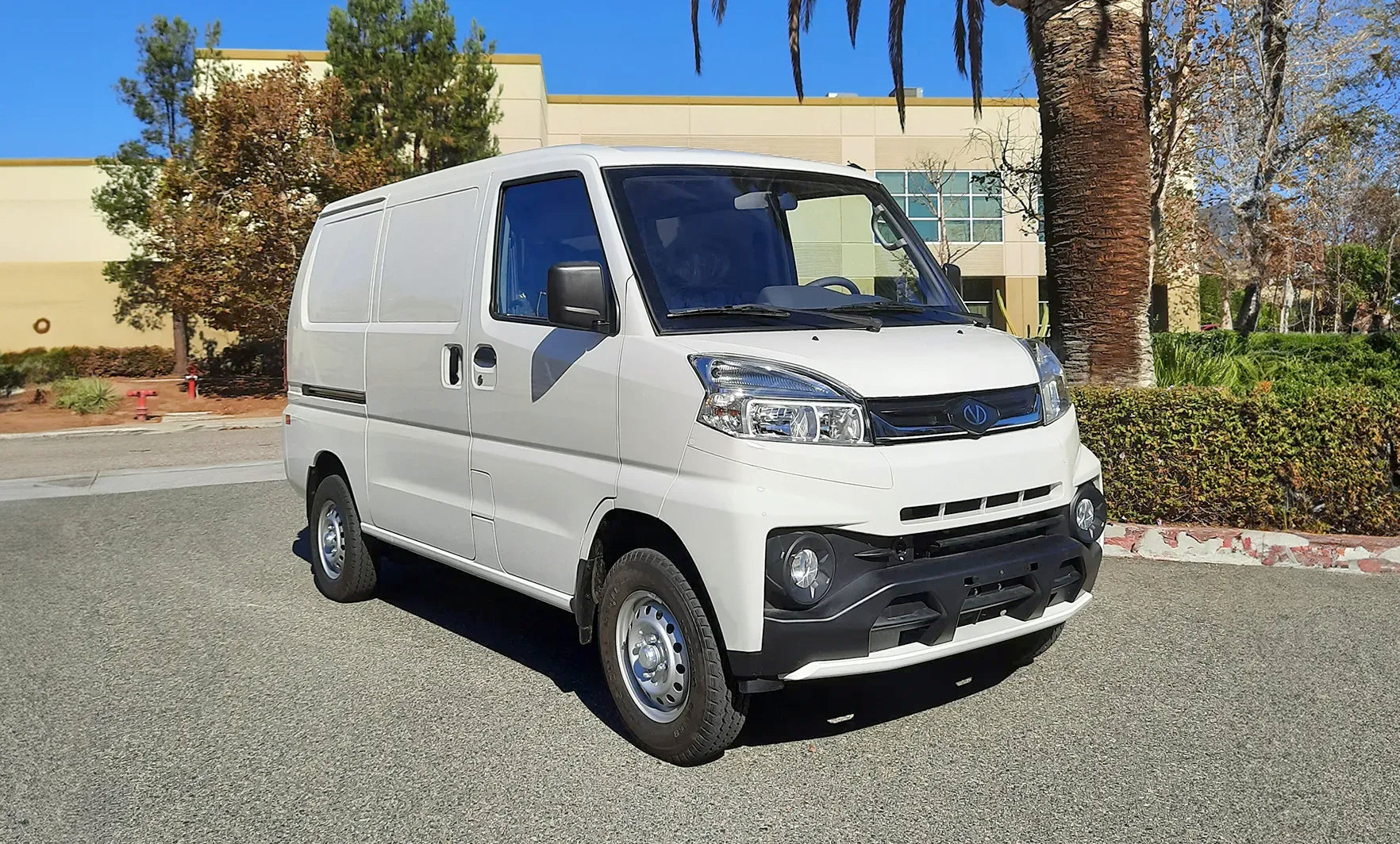
Moving people and materials between buildings is an ongoing requirement in apartment property management and mixed-use environments. An electric Panel Van provides enclosed cargo space for tools and supplies that need to stay organized and protected. An electric Passenger Window Van allows teams to move small crews between locations without relying on multiple vehicles.
These configurations help standardize how staff and materials move between properties, which supports more predictable daily operations.
How a Fleet Approach Helps Control Operating Costs

A single vehicle can solve a short-term problem. A fleet strategy solves a long-term one.
With a defined approach to fleet management, property managers can reduce reliance on oversized vehicles for short trips and assign the right vehicle to each task. That leads to more efficient use of resources across multiple sites.
Standardizing vehicles across properties also simplifies training and reduces downtime. Teams become familiar with the same controls and cargo layouts, which helps streamline daily work. Over time, this supports more consistent fleet maintenance and easier planning for replacements or expansion.
When paired with fleet management software, these vehicles can also support vehicle tracking, giving managers visibility into usage patterns and route efficiency across the entire portfolio.
Choosing the Right Vehicle Mix Across Multiple Properties
Not every property has the same needs. A well-planned fleet accounts for that by assigning different vehicle types to different roles.
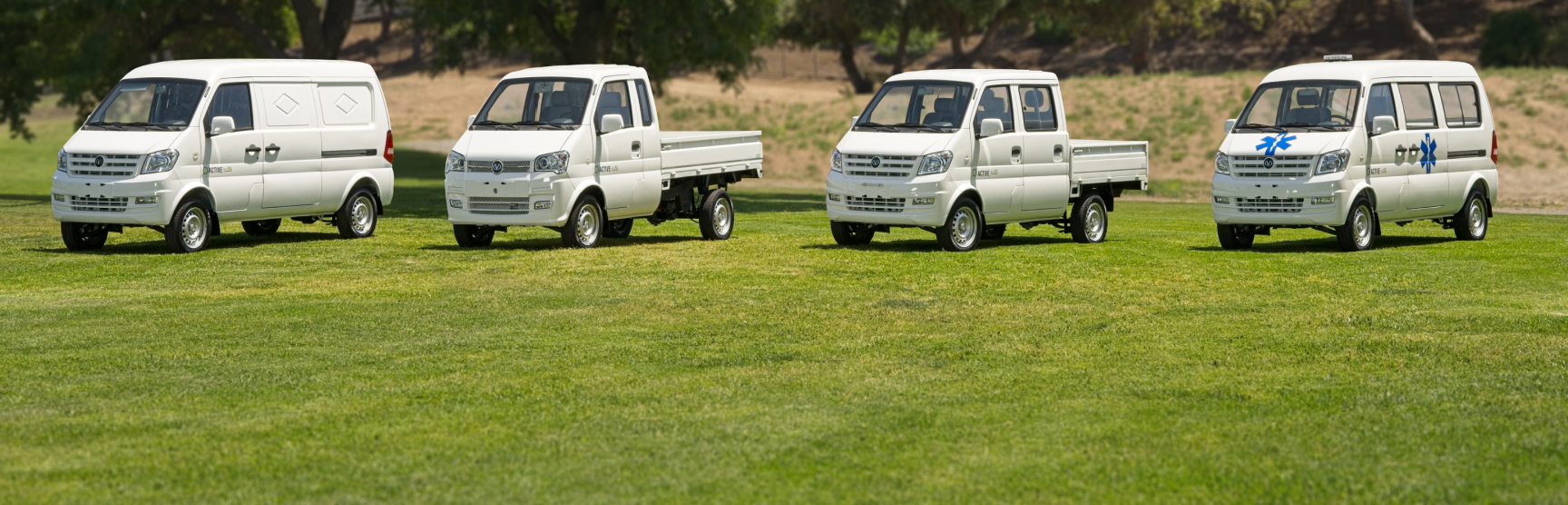
- Trucks support maintenance crews and hauling tasks
- Panel vans handle tools, equipment, and secure cargo
- Window vans move staff between buildings and service areas
For multi-property management, the goal is not to use one vehicle everywhere. It is to create a small, consistent mix that can be deployed across properties based on actual job requirements.
This approach allows fleet services to stay organized and scalable as new properties are added.
Electric and Gas-Powered LSVs Both Have a Place
An effective LSV fleet does not rely on a single power type. Different properties and use cases call for different solutions.
Electric utility vehicles work well for predictable routes, shorter travel distances, and properties with access to charging infrastructure. They offer quiet operation and reduced emissions, which can be beneficial in residential or guest-facing environments.
Gas-powered options are better suited for longer routes or portfolios where refueling is more practical than charging. They provide flexibility for teams that need to move continuously between multiple properties without interruption.
Using both within the same fleet allows property managers to match each vehicle to the demands of the site.
What Multi-Property Managers Should Look for in an LSV Fleet
Selecting the right low-speed vehicles starts with understanding daily operations.
Key considerations include:
- Enclosed cabs for year-round use
- Cargo capacity that supports maintenance work
- Space for tools, equipment, or small crews
- Durability for constant stop-and-go use
- Compatibility with fleet tracking systems
- Vehicle types that can be standardized across properties
For property managers, the focus should be on consistency and reliability across the portfolio, not just performance at a single location. Vantage meets these requirements with a lineup of fully enclosed LSVs designed for real maintenance, cargo, and staff transportation needs across multiple properties.
Where Vantage Vehicles Fit in a Multi-Property Fleet Strategy

We offer low-speed vehicles (LSVs) in electric and gas-powered configurations, including truck, panel van, and window van formats. This range allows property management teams to build a fleet that aligns with how their properties operate.
Instead of adapting operations to fit a single vehicle type, managers can assign vehicles based on actual responsibilities. That supports more efficient fleet solutions across residential, commercial, and mixed-use properties. Feel free to explore our LSV catalog for vehicles that can enhance your overall fleet strategy.