How Electric LSVs Add Sustainable Value to Real Estate Projects

Sustainability in modern real estate development extends well beyond building materials and energy systems. The way people, staff, and services move through a property also shapes its environmental impact and long-term performance. For developers planning residential, mixed-use, or selected commercial properties, internal transportation is becoming part of the overall sustainability conversation.
Electric low-speed vehicles (LSVs) give developers a way to build cleaner internal mobility into the project itself. In approved low-speed environments, and on certain public roads where local regulations allow, they can support short trips while reinforcing wider sustainability goals tied to modern real estate development.
Why Transportation Belongs in Sustainable Real Estate Development
In many projects, internal transportation affects how the site is laid out and the way amenities connect to one another. When those routes depend on full-size vehicles, the result is unnecessary fuel use and added congestion within the property. Integrating sustainable transportation into the site plan helps reduce that impact while aligning with broader green building goals.
Electric LSVs address this concern by offering a lower-emission alternative for predictable, low-speed routes. They allow developers to think beyond static sustainability features and consider how the property operates day to day.
Where Electric LSVs Fit in a Development Project
Electric LSVs are a natural fit for projects with defined internal routes and a consistent need for short-distance travel. This includes mixed-use communities, large residential neighborhoods, affordable housing developments, and certain commercial real estate environments with campus-style layouts.
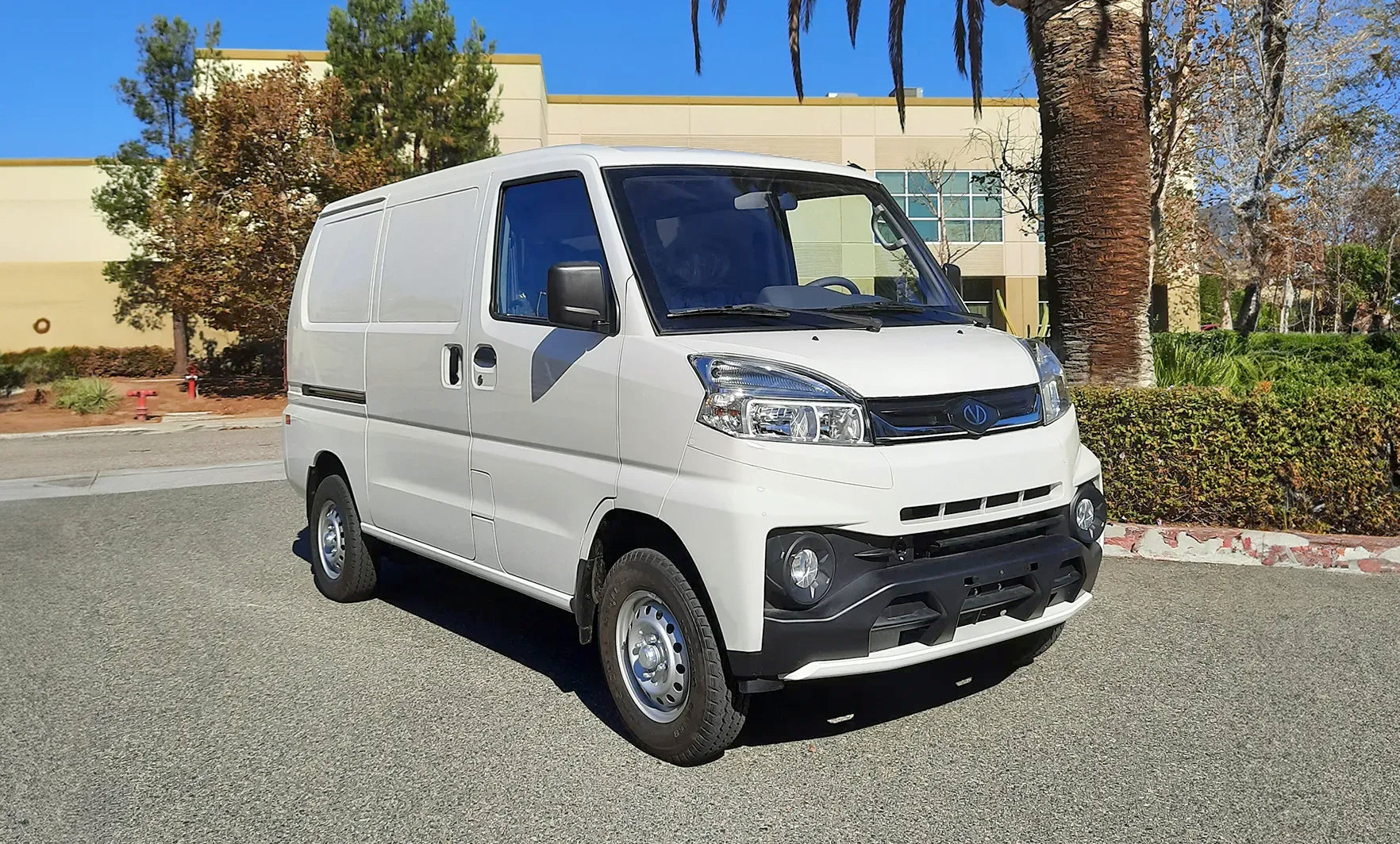
Within these settings, vehicles like the Vantage electric Panel Van can support a well-designed internal-mobility plan. In a large residential or mixed-use development, that can mean cleaner movement across the property without relying on larger vehicles for every short route. Its enclosed design also makes it easier to incorporate into year-round community operations.
This approach is not limited to passenger or light-cargo movement. A specialty model like the Refuse Hopper illustrates how electric LSV use can extend to waste-handling needs within a large development project.
These vehicles reduce the need to use larger vehicles for short, repetitive routes that largely define daily activity within an estate development. That shift can make internal circulation more efficient and better aligned with the project’s overall design.
How Electric LSVs Support Carbon Footprint Reduction Without Overbuilding Infrastructure

One of the clearest advantages of an electric utility vehicle is its ability to support carbon footprint reduction in a practical way.
Electric LSVs support that goal in several ways:
-
Lower-emission transportation
Because electric LSVs do not have tailpipe emissions, they can reduce the environmental impact of gas-powered vehicles producing carbon dioxide and other pollutants. -
A better fit for site-scale mobility
In a low-speed environment, they match the distance and pace of internal travel more closely than full-size vehicles. -
Simpler charging integration
Vantage electric models are designed to charge from a standard 20-amp dedicated circuit, which can make them easier to incorporate into project planning.
That kind of lower-emission planning can also strengthen how the project is presented to municipalities, investors, and other stakeholders evaluating sustainability commitments.
Sustainable Mobility Can Strengthen Project Positioning
Electric LSVs can do more than support on-site transportation. In the right project, they can also reinforce how the development is perceived by stakeholders.
-
A stronger sustainability story
Cleaner internal mobility helps show that sustainability goals extend beyond the building itself and into how the property functions every day. -
Better alignment with green building goals
For projects emphasizing green building and lower-emission design, electric LSV use can support a more complete environmental strategy. -
A more forward-looking identity
In residential and mixed-use settings, visible low-emission mobility solutions can help a development project feel more current. -
Added credibility with municipalities and partners
For developers working through approvals, partnerships, or long-term planning discussions, electric mobility features can help support broader sustainability commitments. -
Long-term value for commercial real estate and residential projects
In both commercial real estate and community-focused development, thoughtful internal mobility planning can strengthen the overall positioning of the property.
In other words, electric LSVs can contribute to both performance and perception. They help a project function more cleanly while reinforcing the kind of forward-looking approach many stakeholders now expect.
Why Early Planning Creates More Value Than a Late Add-On
The strongest value comes when electric mobility is addressed before the site is finalized. During pre-development planning, teams can decide where low-speed routes make sense, where charging access belongs, and how vehicle use supports the larger sustainability vision for the property.
This includes:
- Placing charging access near operations hubs or central service areas
- Allocating space for vehicle parking and storage
- Designing clear internal routes between key destinations
- Aligning crossings and signage with low-speed vehicle use
Planning for these elements early helps avoid retrofitting challenges later. It also allows electric LSVs to function as part of the property’s infrastructure rather than as an add-on solution.
What Developers Should Look for in an Electric LSV
For developers, the important question is which type of vehicle best supports the mobility plan the project is built around.
Key considerations include:
- An enclosed cab for year-round use
- Practical cargo or passenger capacity
- Simple charging requirements
- Durability for repeated daily trips
- Compatibility with long-term operational planning
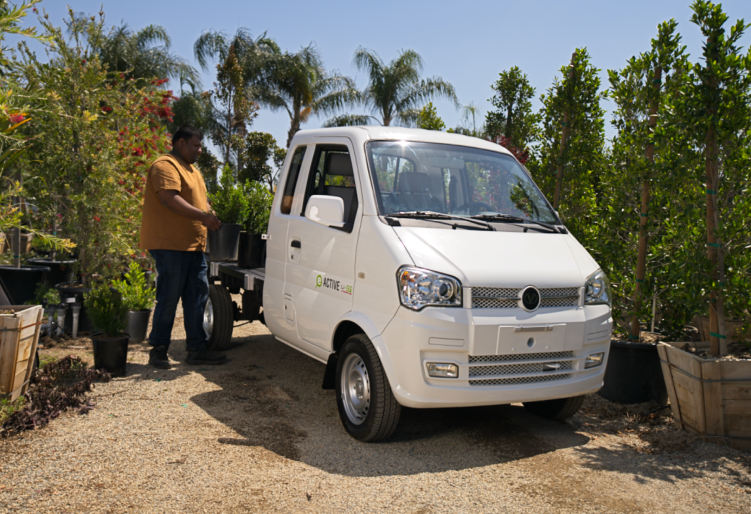
The Extended Cab Truck from Vantage is a strong example of this balance. It combines enclosed seating with a roomy truck bed, allowing it to handle a range of internal transportation needs while maintaining the benefits of electric operation.
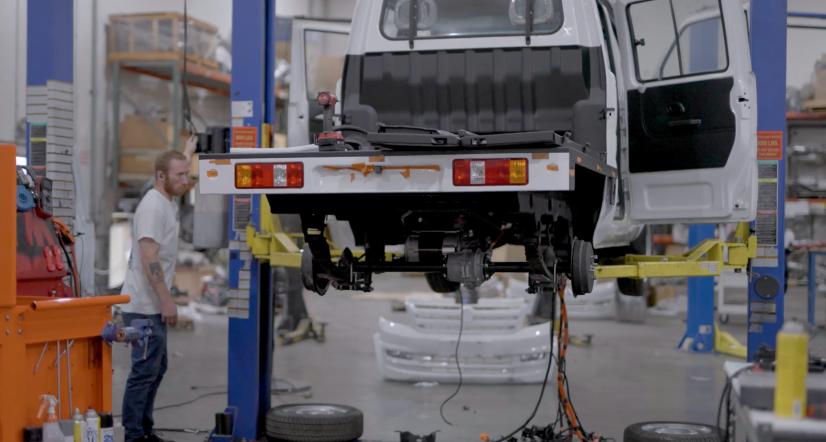
Bear in mind that routine fleet maintenance, such as battery checks and brake service, will support consistent performance by identifying vehicle issues in the early stages. In larger projects, fleet tracking tools may offer added visibility into how vehicles are used across the site.
The Future of Sustainable Transportation in Real Estate

As expectations around sustainability continue to evolve, developers are looking beyond individual building features and focusing on how entire communities function. Internal mobility is part of that shift.
Developers planning future projects can benefit from treating electric LSVs as part of the infrastructure from the start. To explore options that fit your next development, take a closer look at our lineup of electric low-speed vehicles built for real-world site use.