Choosing the Right Utility Vehicle for Your Vineyard

Choosing a vineyard utility vehicle starts with the work, not the vehicle category. A vehicle used mostly for irrigation checks does not need the same setup as one used for grounds maintenance, crew transport, event support, or short local road runs. Before comparing models, it’s important to look at how the vehicle will support everyday vineyard management.
Analyze Your Vineyard’s Daily Routes
Start by mapping the trips your team makes most often. A small vineyard may need one utility vehicle for quick checks and light maintenance. A larger property may need several utility vehicles moving between vineyard blocks and storage areas throughout the day.
Think through the work first:
- How far do crews travel during a normal day?
- Will the vehicle(s) move tools, people, cargo, or a mix of all three?
- Does the route include gravel, packed dirt, pavement, or soft ground?
- Will the vehicle(s) support field crews, hospitality staff, or both?
- Does the property need one shared vehicle or several department-specific vehicles?
This is where vineyard management and fleet management start to overlap. A shared vehicle may need broader versatility. A multi-vehicle fleet can match each department with a more specific configuration.
Consider Terrain, Access, and Turning Space
Vineyard transportation often involves more than smooth pavement. Vehicles may need to travel on gravel lanes, packed dirt routes, paved hospitality roads, or access paths between work areas. Terrain capability matters, but bigger is not always better.
A vehicle that is too large can create its own problems. It may be harder to turn near barns, less convenient around hospitality areas, and less efficient for quick inspection routes. The best utility vehicle is the one that fits the paths and daily rhythm of the property.
The decision is less about choosing between a UTV and a low-speed vehicle (LSV), since some utility vehicles can qualify as LSVs. The more useful question is whether the vehicle is built only for off-road property work or also designed for low-speed, street-legal use where local rules allow.
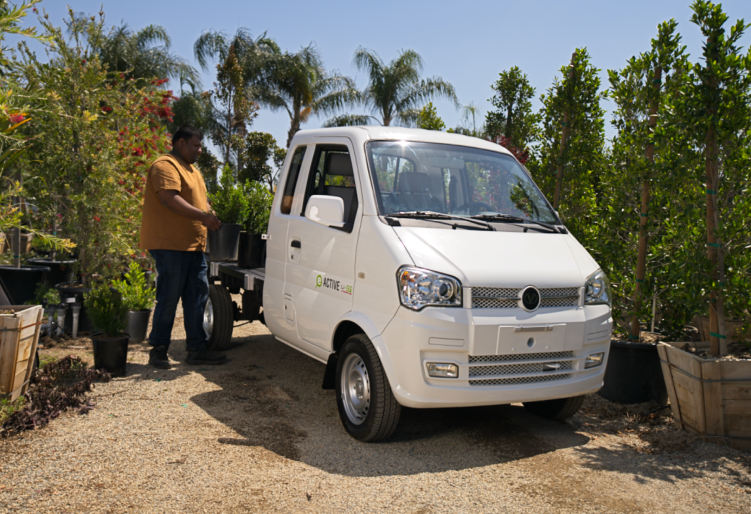
Vantage vehicles are well suited for maintained property routes, paved roads, gravel drives, and low-speed vineyard areas where crews need enclosed, practical transportation.
Match the Vehicle Configuration to the Job
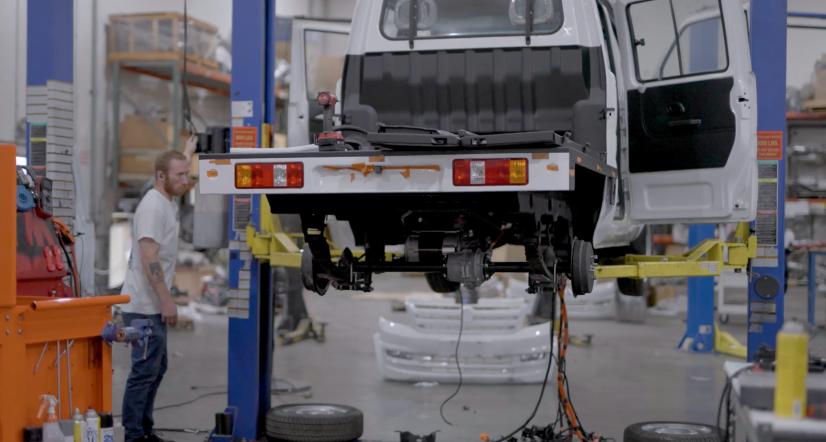
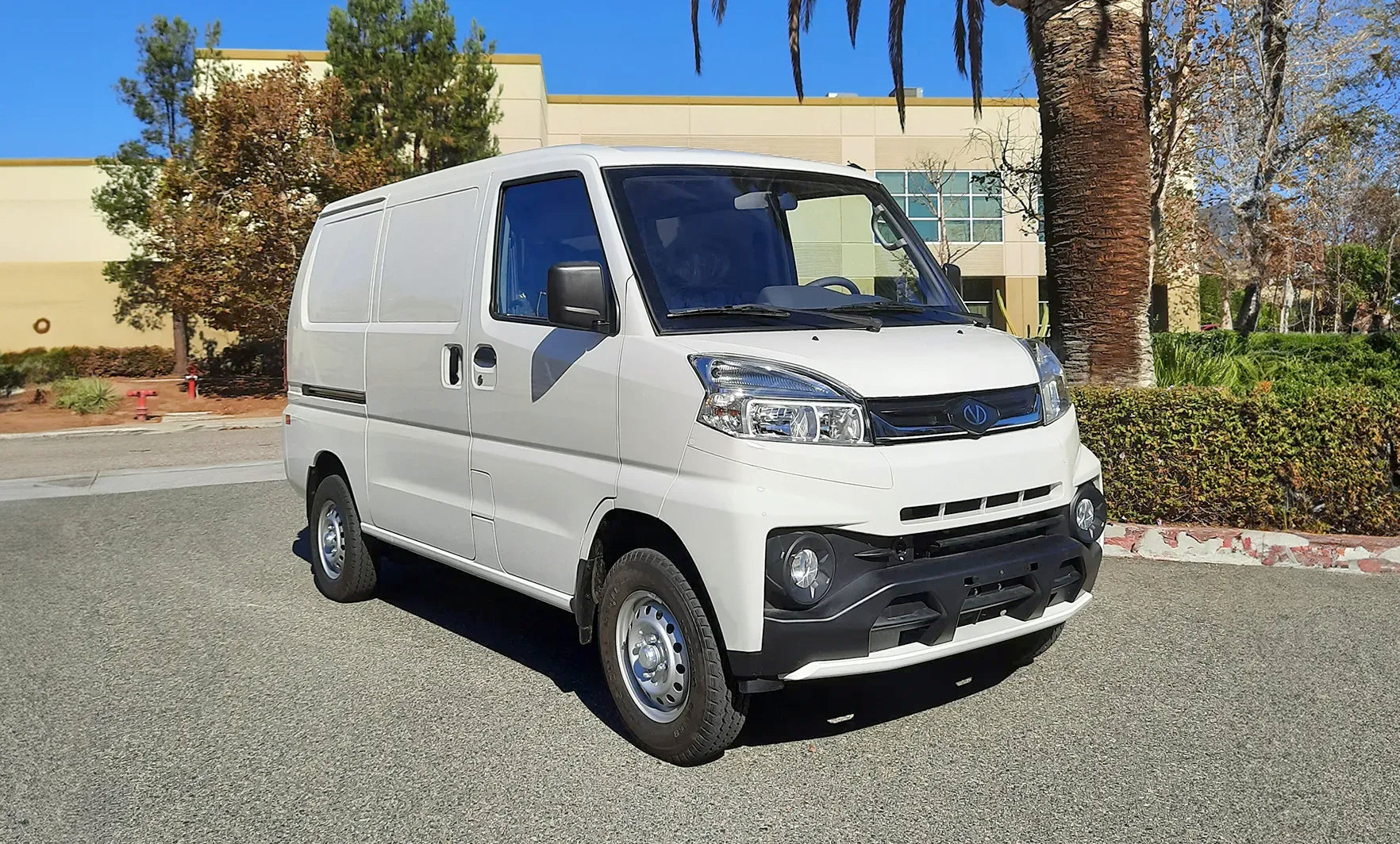
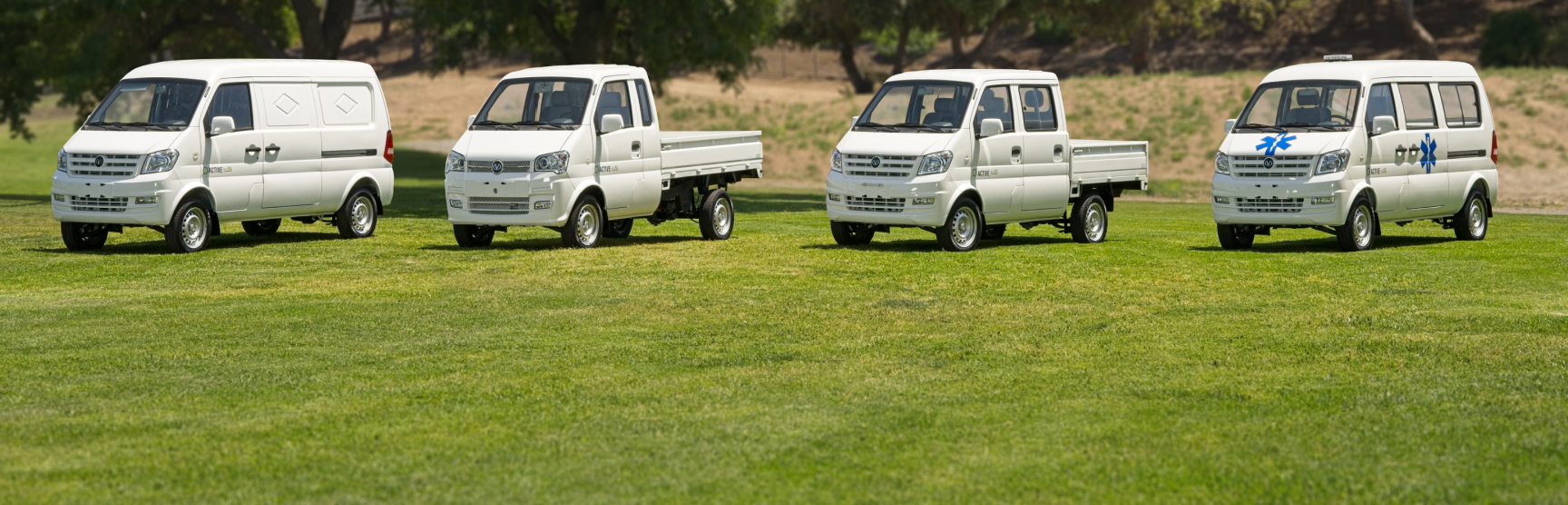
The vehicle body style should follow the primary job. A truck configuration can support open-bed hauling, while a van may be better for enclosed cargo or passenger movement. Vantage offers a variety of electric and gas-powered LSVs in truck and van configurations, giving vineyard teams several ways to match the vehicle to the work.
|
If your main need is... |
Consider... |
Why it fits |
|
Moving staff or guests across larger properties |
Better when passenger space matters more than open-bed hauling |
|
|
Moving posts, bins, irrigation parts, or event equipment |
Useful for bulkier or awkwardly shaped cargo |
|
|
Handling cleanup, debris, mulch, or property-care materials |
Helps reduce manual handling during grounds maintenance |
|
|
Longer work windows or fast refueling |
Practical when charging windows are limited or vehicle use is less predictable |
|
|
Enclosed cargo and weather protection |
Useful for tools, supplies, tasting-room materials, or event gear |
This approach keeps the buying decision tied to the job. A vehicle for vineyard tours should not be evaluated the same way as a vehicle for hauling landscape debris or irrigation parts.
Look Closely at Payload, Bed Space, and Storage
Payload capacity affects daily productivity. If a vehicle cannot carry the tools or supplies needed for a route, staff may need to make extra trips across the property. That can cost time during maintenance windows and event setup.
Instead of choosing only by vehicle size, look at the working details:
- Payload rating
- Truck bed dimensions
- Enclosed cargo space
- Passenger capacity
- Lockable storage options
- Towing needs
- Accessory compatibility
Some vineyard teams need an open bed for tools and supplies. Others need enclosed storage for event materials, tasting-room inventory, or maintenance gear. Vantage configurations can support these needs with options such as toolboxes, ladder racks, cargo dividers, toppers, liftgate options, and aluminum stake bed sides, depending on the model.
Compare Electric and Gas-Powered Options
The electric-versus-gas decision should come down to scheduling, route predictability, and charging access.
|
Choose an electric utility vehicle when... |
Choose a gas-powered vehicle when... |
|
Routes are predictable and low speed |
Vehicles run for longer stretches |
|
Charging can be built into the vehicle’s normal downtime |
Fast refueling matters |
|
The vehicle works near guests or vineyard tours |
Charging access is limited |
|
Quieter movement is useful around hospitality areas |
The vehicle serves multiple departments all day |
Some operations may benefit from both types, especially when utility vehicles need to serve agriculture, hospitality, and property maintenance at the same time.
Plan Around Charging, Range, and Scheduling
For electric models, charging should fit the workday. Consider where the vehicle will park overnight, where staff naturally stage equipment, and how many trips the vehicle needs to complete between charges.
Vantage electric LSVs are designed for charging from a standard 20-amp dedicated circuit, with optional J1772 charging input available for 240 V charging. For many vineyards, that can make charging easier to plan.
Consider Street-Legal Value for Short Local Runs
Some vineyard operations need short trips beyond the property. Vantage electric LSVs can reach a governed top speed of 25 mph. For short local routes, our electric LSVs may provide more flexibility than off-road-only utility vehicles because they include VINs and can be registered for qualifying public-road use (on roads posted up to 35 mph where state and local rules allow).
Operators should confirm local laws before planning public-road routes.
Choose Around the Work

Choosing the right vineyard utility vehicle comes down to routes, terrain, payload, passenger needs, storage, charging access, and refueling expectations. The best fit may be an electric LSV, a gas-powered truck, a Window Van, an Aluminum Stake Bed Truck, or a Tipper Dump, depending on how the vehicle will be used.
Explore the Vantage collection to find low-speed vehicles built for daily vineyard management and agricultural operations.