How Film Crews Use Utility Vehicles on Set

A large film set can cover a sizable property, with people and production resources spread across multiple work areas. On backlots and location shoots, those distances can add unnecessary travel time to an already tight schedule.
Utility vehicles give a film crew a practical way to move people and materials between work areas. A dedicated set vehicle can help departments respond faster when gear or personnel need to be somewhere else on the property.
Why Utility Vehicles Make Film Sets More Efficient
Production crews make repeated trips throughout the day. For a production manager, reducing time spent moving between work areas can help keep departments closer to the schedule.
A production assistant may need to reach another stage quickly, while a camera operator or art department team waits for equipment at a different location. A set vehicle gives the production crew another way to cover those distances without turning each move into a long walk or larger transportation request.
Key Roles Utility Vehicles Play in Production
On a film set, utility vehicles can support a range of assignments, including:
- Equipment transport
- Cast and crew movement
- Props and set materials
- Craft service and supply runs
- Facilities or security rounds
Different departments may need different vehicle configurations. A production designer or set decorator may need more cargo space, while PAs may benefit from passenger capacity.
Hauling Equipment and Set Materials
Crews may need to transport equipment such as camera cases, lighting equipment, cables, props, and tools between staging areas and active sets.
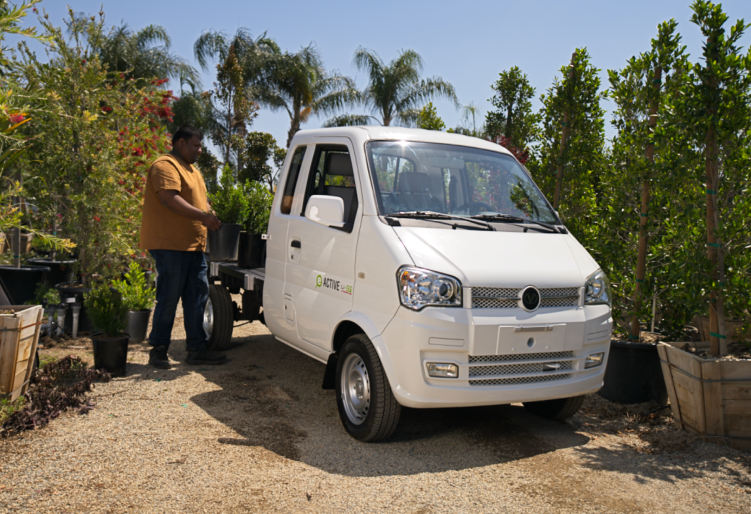
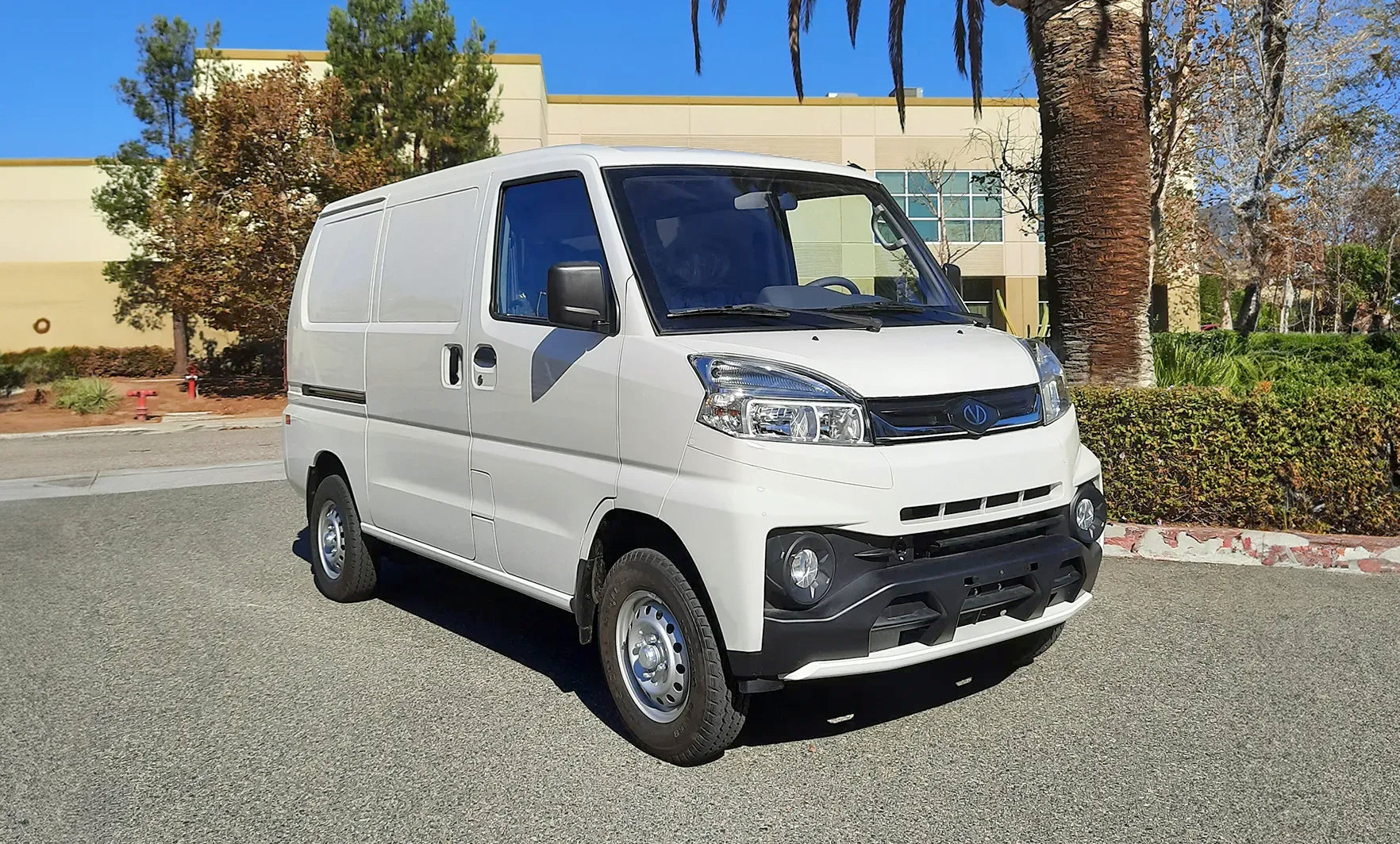
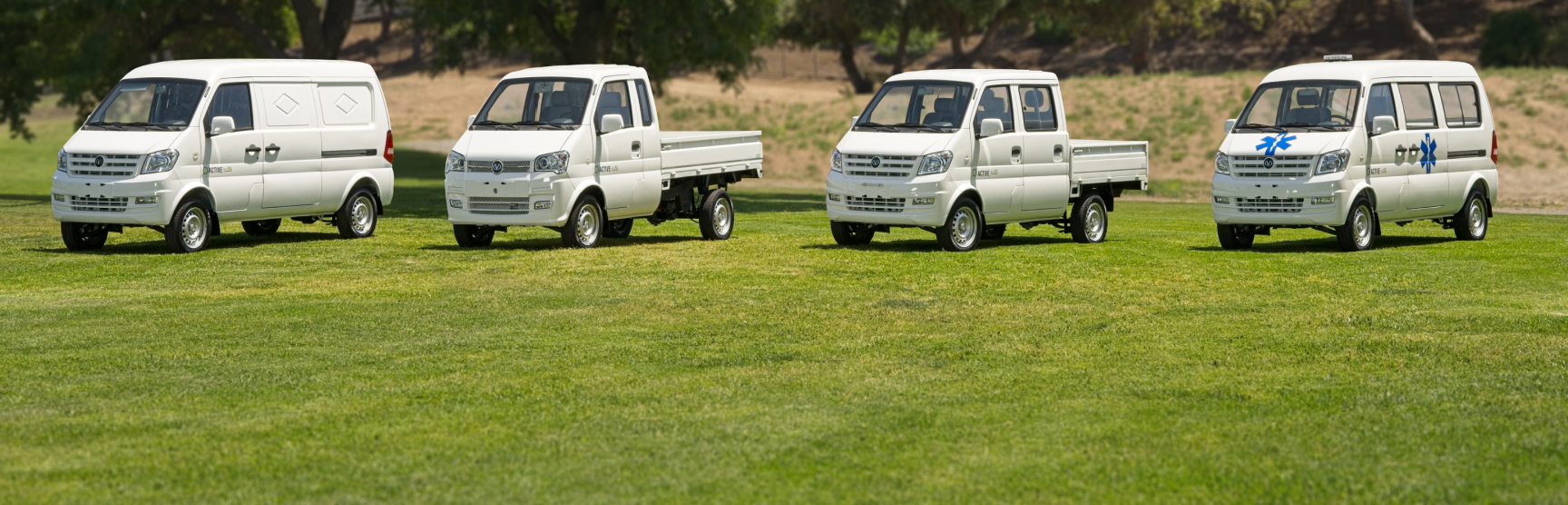
The Vantage Extended Cab Truck provides an open cargo bed for larger items, while the Panel/Cargo Van keeps materials enclosed. That enclosed space may also work well for wardrobe supplies or other department materials that should stay protected from the weather.
Transporting Cast and Crew
Utility vehicles can also move crew members and talent between nearby work areas.
The Vantage Passenger Window Van provides an enclosed configuration for suitable studio grounds and production sites. Fleet buyers should confirm passenger capacity and operating requirements for the specific route and model.
How Do Utility Vehicles Compare With Golf Carts on Set?
Golf carts can handle short trips around a set, but larger productions may need a vehicle built for repeated trips between stages, offices, and distant work areas. Vantage trucks and vans have fully enclosed cabs that help protect drivers and passengers from rain, wind, and cold. Enclosed van bodies can also protect wardrobe, props, and other supplies during transport.
Vantage’s electric low-speed vehicles can travel up to 25 mph, with battery options for longer routes. Their truck and van configurations offer seating, cargo space, and a more substantial ride for daily production work. Crews should compare each vehicle’s speed, range, payload, and features with the specific golf carts they use.
Why Electric Utility Vehicles Work Well on Set

Vantage's lithium-powered electric trucks and vans also produce zero tailpipe emissions. For studios with predictable routes and access to charging, these low-speed vehicles can support recurring transportation throughout the day.
Quieter Operation Around Active Sets
Electric utility vehicles can be especially useful around sound-sensitive production areas because their powertrains operate with much less noise than gasoline engines.
But while electric motors eliminate normal engine noise, the vehicles are not completely silent. Tires, brakes, and other vehicle movement can still produce sound, so normal production procedures should still apply around active recording.
Electric vs. Gas Utility Vehicles for Film Production
Electric and gas-powered models can both fit film production, depending on the site.
Electric utility vehicles may work well for:
- Studio campuses and backlots
- Sound-sensitive areas
- Sites with reliable charging
Gas-powered models may work well for:
- Remote location shoots
- Sites with limited charging access
- Sites where charging access is limited
The Vantage Standard Truck gives production teams a gas-powered option with an enclosed cab and open cargo bed. Our electric trucks and vans may be better suited to routes where quieter operation and zero tailpipe emissions matter more.
Configure Utility Vehicles Around Production Needs
Vantage offers enclosed truck and van configurations that can be matched to passenger, cargo, and powertrain requirements. For instance, the Vantage Crew Cab Truck combines seating with an open bed, while the Vantage Panel/Cargo Van favors enclosed cargo space.
Depending on the model, available add-ons may include:
- Cargo dividers
- Mounted storage
- Toolboxes
- Ladder racks
- Extended-range battery options
These options give buyers considering custom utility vehicles more flexibility when planning around actual production needs.
Some productions may also need street-legal utility vehicles when routes extend beyond private property. Vantage’s electric trucks and vans are designed as street-legal low-speed vehicles. Select gas-powered models are also available for street-legal use. Applicable state and local rules should be confirmed before an LSV is used on public roads.
Building a Reliable Utility Vehicle Fleet for Film Production

A studio or production fleet should be planned around the work each vehicle will perform. If crews currently rely on golf carts, consider where an enclosed truck or van could make longer cross-lot trips more comfortable, protect occupants from the weather, or carry equipment more securely. Buyers can also consider:
- Route length and operating hours
- Passenger and cargo needs
- Open versus enclosed storage
- Weather exposure
- Charging or fueling access
Vantage Vehicle offers electric and gas-powered trucks and vans for studio, backlot, and location-site applications. Our vehicles are assembled in Corona, California.
Browse our low-speed vehicle lineup to find a configuration suited to your production fleet.
FAQs
What types of vehicles do film crews use on set?
Film crews may use utility trucks, vans, passenger vehicles, golf-cart-style vehicles, and other specialized transportation. Enclosed utility vehicles can provide a practical option for moving personnel or carrying cargo that needs protection from the weather.
Why do film productions use electric utility vehicles?
Electric utility vehicles provide quieter powertrain operation and zero tailpipe emissions. They can work especially well for recurring trips around studio grounds and other sound-sensitive areas with access to charging.
How much can a production utility vehicle haul?
Capacity varies by model and configuration. The Vantage Standard Truck offers a rated payload of up to 1,799 pounds for heavier hauling assignments, while electric models can provide quieter operation where necessary. Buyers should compare payload and cargo dimensions with the equipment or materials they plan to carry.
Are utility vehicles used on film sets street-legal?
Some are. Vantage designs electric trucks and vans as street-legal low-speed vehicles with a maximum speed of 25 mph, and select gas-powered Vantage models are street-legal as well. In many states, LSVs may be permitted on roads posted up to 35 mph. Productions should confirm state and local rules for each intended public route.
How do you choose the right utility vehicle for a film production?
Start with the vehicle's main assignment. Consider route length, passenger or cargo needs, powertrain, storage requirements, and charging or fueling access before choosing a configuration.
Are utility vehicles better than golf carts for film sets?
It depends on the route and assignment. Golf carts may suit short trips, while Vantage’s enclosed trucks and vans offer weather protection and cargo or passenger configurations for repeated work across larger properties. Vantage electric models reach up to 25 mph, with range varying by model, battery, load, and conditions. Compare the vehicles your production is considering against its actual routes and daily loads.