Utility Vehicles for Data Center Maintenance and Operations

For data center managers responsible for uptime, the ability to move people and materials quickly is part of day-to-day performance. Low-speed utility vehicles support data center operations in a number of ways: reducing travel time, organizing internal transport, and helping maintenance teams cover more ground without relying on oversized fleet trucks.
Why Mobility Matters in Data Center Operations
Data center operations are built around continuity. Systems run around the clock, and maintenance schedules are tightly planned to avoid disruption. When a technician needs to move between buildings or retrieve a replacement component, delays can extend service times and disrupt operations and maintenance workflows.
On multi-building campuses, distances between server halls, cooling infrastructure, power distribution systems, backup equipment areas, and storage spaces can add up quickly. Walking may be too slow, while full-size vehicles may be unnecessary for short internal trips. Utility vehicles, including low-speed vehicles (LSVs), help fill that gap by providing a right-sized transportation solution for daily work across the site.
Mobility challenges in large facilities often include:
-
Long distances between buildings, server rooms, and infrastructure zones
-
Delays caused by repeated trips to retrieve tools or replacement parts
-
Greater risk of damage when sensitive equipment is moved manually
-
Inefficient use of technician time during routine operations and maintenance
-
Slower response to service calls in uptime-sensitive environments
That is why internal transportation should be viewed as part of uptime support. Better mobility helps maintenance teams stay productive, helps security teams cover more ground, and helps data center managers maintain better control over day-to-day activity.
How Utility Vehicles Support Data Center Maintenance
Data center maintenance depends on speed, consistency, and coordination. Technicians need to complete repairs without unnecessary delays. Utility vehicles support these workflows by giving teams a dependable way to move across the campus with what they need for the task.
A facility maintenance vehicle can carry tools and equipment directly to the work area. This reduces back-and-forth trips and helps technicians complete more work in a single visit. For scheduled inspections, utility vehicles also make it easier to follow repeatable service routes across the campus.
Utility vehicles support maintenance teams by helping them:
-
Transport tools, diagnostic equipment, and spare components in one trip
-
Stay on schedule during planned service work
-
Respond more quickly to service needs and reduce mean time to repair (MTTR)
-
Improve consistency across inspection and repair workflows
This is where utility vehicles become more than simple transport. A low-speed vehicle can help teams work faster and with less friction across large facilities.
Where Utility Vehicles Improve Data Center Workflows

Instead of thinking about utility vehicles only in terms of broad use cases, it helps to look at the specific workflows they support in data center operations.
-
Unplanned repair response
A material handling vehicle can get technicians and replacement components to the right location faster. -
Cross-building coordination
Large campuses often require multiple teams to move between zones. Utility vehicles help that coordination happen more smoothly within controlled-access environments. -
Shift-to-shift continuity
Vehicles can remain staged with supplies and equipment, helping incoming teams continue work with less setup time.
Utility vehicles help reduce wasted motion, shorten response times, and support better execution across both daily maintenance and broader data center operations.
Electric Utility Vehicles and Energy Efficiency
Electric utility vehicles are a strong fit for many data center campuses, especially where short-route transportation is part of daily operations. An electric LSV can support technician movement, parts transport, and inspection work while aligning with energy-efficiency goals.
Electric utility vehicles support data center operations by offering:
-
Zero tailpipe emissions for cleaner on-site transport
-
Quiet operation suited to controlled environments
-
Reliable performance for short, repeatable routes
-
A practical fit for campuses focused on energy efficiency
-
A useful alternative to larger internal fleet vehicles
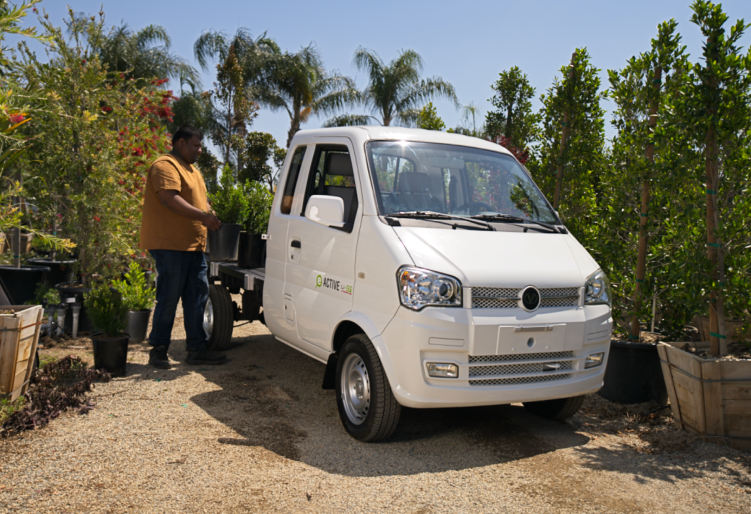
Electric utility vehicles can support cleaner internal transportation without changing the basic workflow of maintenance and operations teams. They are especially well suited to predictable campus routes where daily travel is consistent and relatively short. For these applications, vehicles such as the electric Extended Cab Truck provide a balance of passenger seating and cargo space.
When Gas-Powered Utility Vehicles Make Sense

Electric models are not the right fit for every operation. Some data center managers may prefer gas-powered vehicles for sites with longer operating windows or extended travel distances.
Gas-powered utility vehicles are often selected when operations require:
-
Longer run times without charging interruptions
-
Quick refueling to support continuous use
-
Coverage across larger campuses with extended travel distances
-
A practical option for operations that involve a mix of tasks throughout the day
That makes them a useful choice in certain environments, particularly when the fleet needs to stay in near-constant service. In those cases, a gas-powered industrial utility vehicle can support data center operations without the downtime associated with charging.
Useful Features in a Data Center Utility Vehicle
Not all utility vehicles are equally suited to data center maintenance and operations. The right vehicle should support technician mobility, internal transport, and day-to-day usability across a large campus.
For data center managers, the most important characteristics usually include:
Enclosed Cabins for All-Weather Use
An enclosed cabin supports year-round use and helps protect both operators and equipment.
Cargo Space for Tools and Parts
A facility maintenance vehicle should have room for the tools and supplies technicians need to carry.
Configurable Storage
Toolboxes, cargo dividers, and mounted storage systems can improve organization and reduce clutter during service work.
Safety and Visibility Features
Lighting, cameras, and warning systems can support safer operation across busy campuses and controlled-access service roads.
Passenger Capacity
Some tasks involve multiple team members. A vehicle that can move both personnel and equipment adds operational value.
Vantage vehicles are built around these requirements, offering model-specific configurations with optional add-ons and a range of passenger capacities to support different data center workflows.
Vantage Utility Vehicles for Data Center Maintenance and Operations

We offer both electric utility vehicles and gas-powered options, making it easier to match vehicle choice to site conditions and operating needs. Configurable cargo areas, enclosed cabins, and practical storage solutions make these low-speed vehicles a strong fit for maintenance support and internal campus transportation.
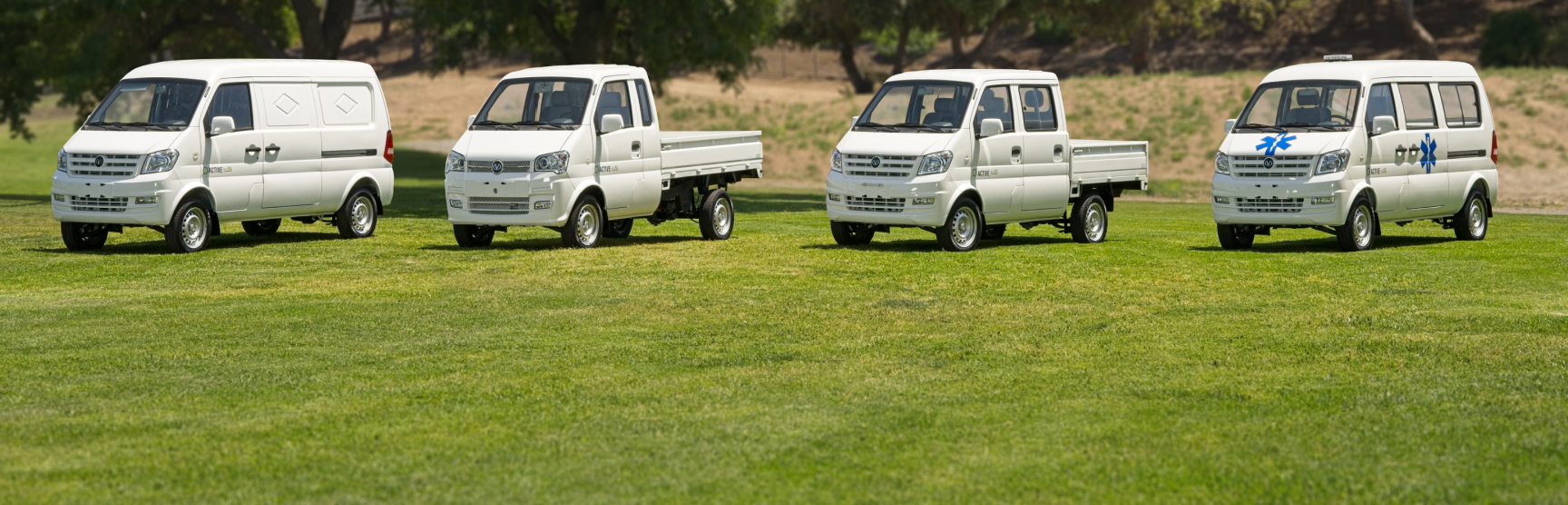
Vantage models used in data center environments include:
-
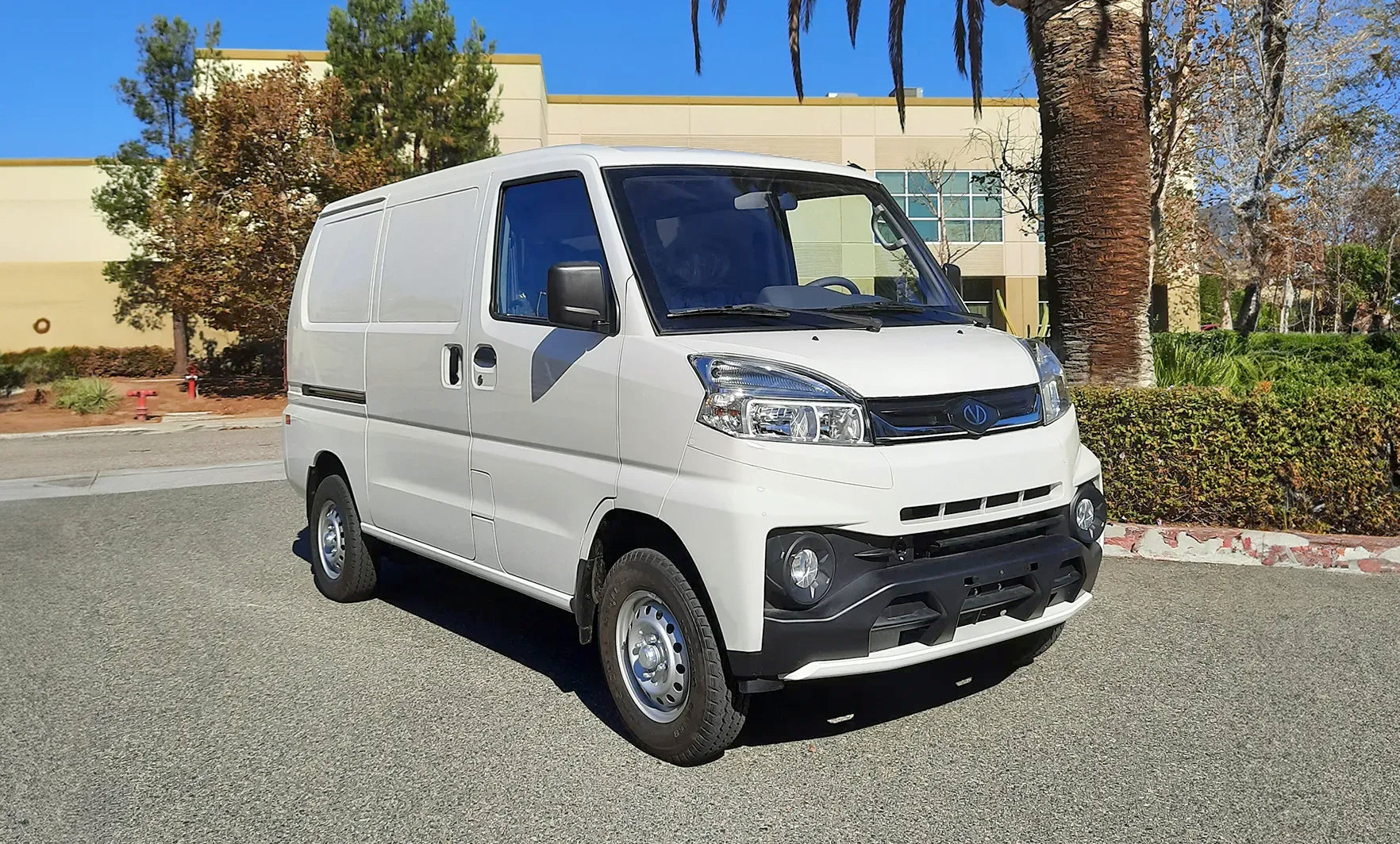
Electric Panel Van – Enclosed cargo space for tools, replacement parts, and sensitive equipment used in data center maintenance
-
Electric Extended Cab Truck – Combines passenger seating with cargo capacity for teams moving between buildings with equipment
-
Standard Truck – A practical gas-powered option for longer run times and continuous use across larger campuses, powered by an EPA-approved engine
-
Electric Crew Cab Truck – Adds additional passenger capacity for team-based data center operations and coordinated service work
Our electric LSV models are set to a maximum speed of 25 mph and may be driven on roads posted up to 35 mph, subject to state and local laws. That can be useful for short trips between nearby facilities or into town when highway travel is not required. These vehicles also have VINs and can be titled and registered where applicable.
Explore Vantage utility vehicles for campus-wide support in modern data center operations.