Street-Legal Low-Speed Vehicle Regulations Guide

Teams that already use low-speed vehicles (LSVs) know how practical they are inside a campus or facility. Among other helpful functions, they give fleets a way to connect separate sites, link parking areas to work zones, or move staff through community streets. But there’s a question that naturally arises: Can LSVs legally drive on public roads? If so, under what conditions?
This guide explains the rules that make a street-legal LSV compliant, how low-speed vehicle laws shape daily operation, and how Vantage vehicles fit into that framework.
Federal Definition of a Low-Speed Vehicle
Federal regulators classify a low-speed vehicle (LSV) as a four-wheeled motor vehicle capable of more than 20 mph and not more than 25 mph on a paved, level surface. This definition places low-speed vehicles in a distinct category from a golf cart or a conventional electric vehicle used for full road speeds. Street-legal LSV platforms remain lightweight and purpose-built for community streets, business parks, universities, and similar low-speed environments.
Any vehicle marketed as a street-legal low-speed vehicle must remain within the national speed band and comply with the required equipment that ensures predictable performance in mixed-use zones where motor vehicles share space with pedestrians and cyclists.
FMVSS 500 Safety Standards and Required Safety Features
For an LSV to operate on public roads, it must meet the equipment expectations of FMVSS No. 500 (49 CFR § 571.500). These safety standards establish the minimum safety features needed for compliance. Required equipment includes:
- Headlamps, tail lamps, stop lamps, and turn signals
- Front and rear reflectors
- Mirrors that provide adequate rear visibility
- Parking brake
- DOT-approved windshield
- Valid VIN
- Type 1 or Type 2 seat belts at each seating position
- Rear visibility technology and an acoustic alert for quiet vehicles
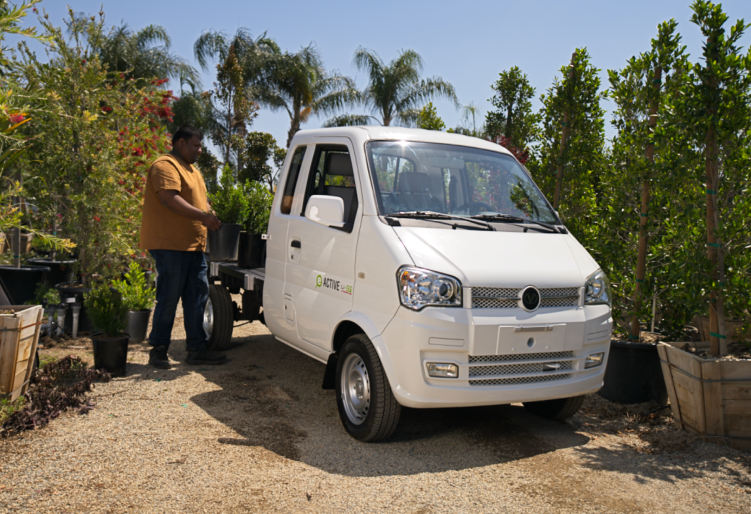
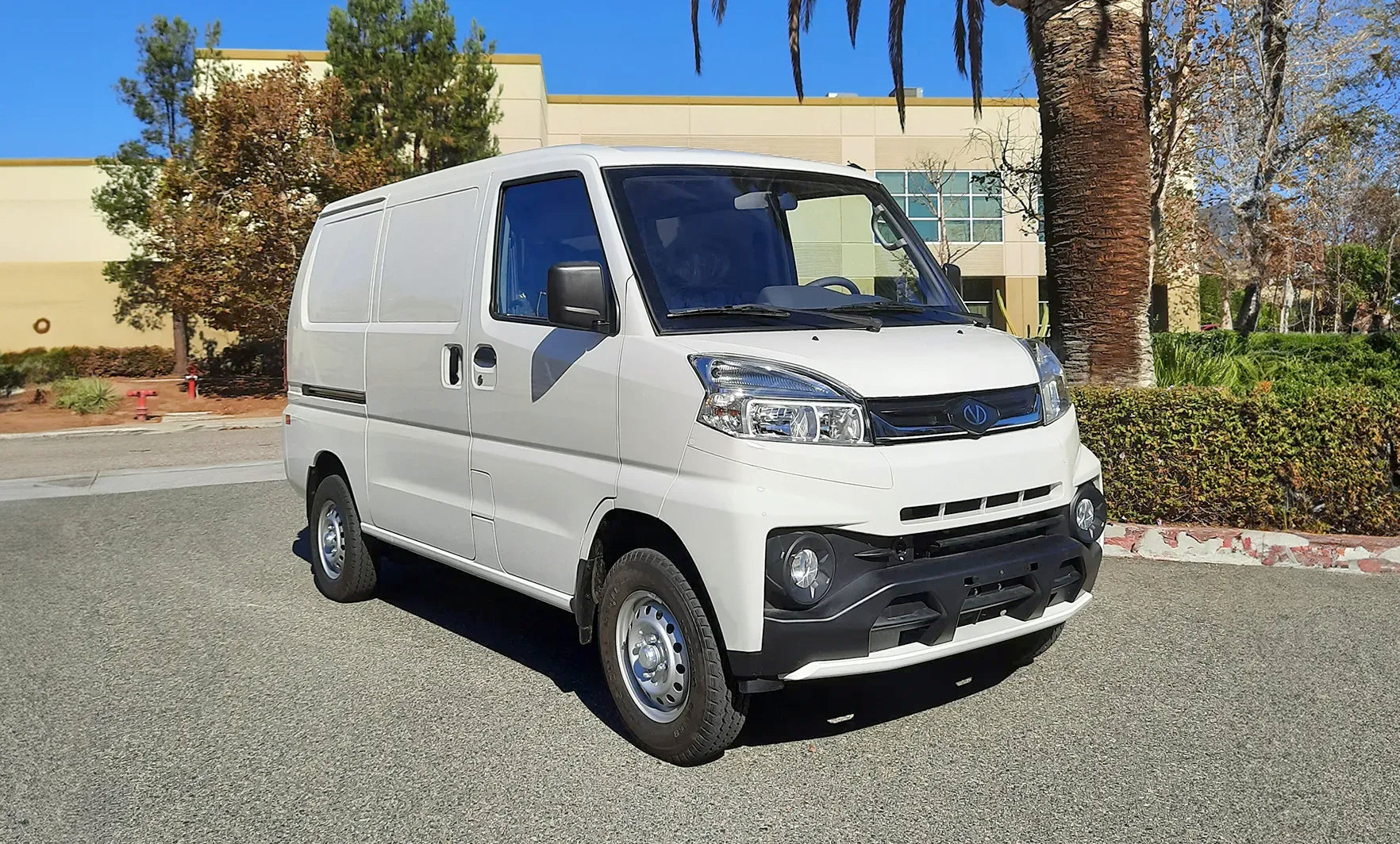
These safety features are what separate street-legal low-speed vehicles from an unregulated golf cart. A golf cart generally lacks the equipment and performance capabilities needed for on-road use, which is why states treat the two classes differently. By contrast, Vantage low-speed electric vehicle models are engineered from the factory to include FMVSS-compliant equipment, allowing organizations to concentrate on state and local use rules.
Low-Speed Vehicle Laws: State and Local Oversight

While federal rules determine what makes a vehicle street legal, low-speed vehicle laws by state determine where and how the vehicle may operate. Most states recognize electric and gas-powered LSVs as motor vehicles that must be titled, insured, and display a license plate to operate on public roads.
Common state requirements include:
- Operation limited to streets posted at or below 30–35 mph
- Controlled crossing of higher-speed roads
- Licensed driver required
- Insurance, title, and registration similar to passenger vehicles
- Local authority to restrict or designate specific routes
This structure ensures that low-speed vehicle laws align with local roadway conditions, giving cities, counties, and campuses the ability to manage traffic flow while keeping slow-moving vehicles in appropriate corridors.
Examples of State Approaches
Every state applies its own low-speed vehicle laws, and cities or counties may add route rules on top of them. The examples below show how three states interpret the federal framework in practical ways for on-road use.
Florida
Florida supports the use of street-legal LSV platforms on roads posted 35 mph or lower. Operators must hold a valid driver’s license, and vehicles must be titled, insured, and display a license plate. The state permits controlled crossings of higher-speed roads, which makes it easy for fleets to link separate low-speed zones.
California
California incorporates LSV and neighborhood electric vehicle planning into local traffic management. LSVs may operate on streets posted 35 mph or lower, and cities can establish designated routes or restrict specific roadways. Registration and insurance follow standard motor-vehicle requirements.
Illinois
Illinois takes a slightly narrower approach, allowing low-speed vehicles on streets posted 30 mph or lower unless local agencies permit selected 35-mph segments. The state lists equipment expectations that mirror federal rules and requires insurance, title, registration, and a valid driver’s license.
Because these examples only highlight a few common patterns, operators should review the low-speed vehicle laws in their state and confirm any local requirements before putting an LSV on public roads.
Putting Regulations Into Practice With Vantage LSVs

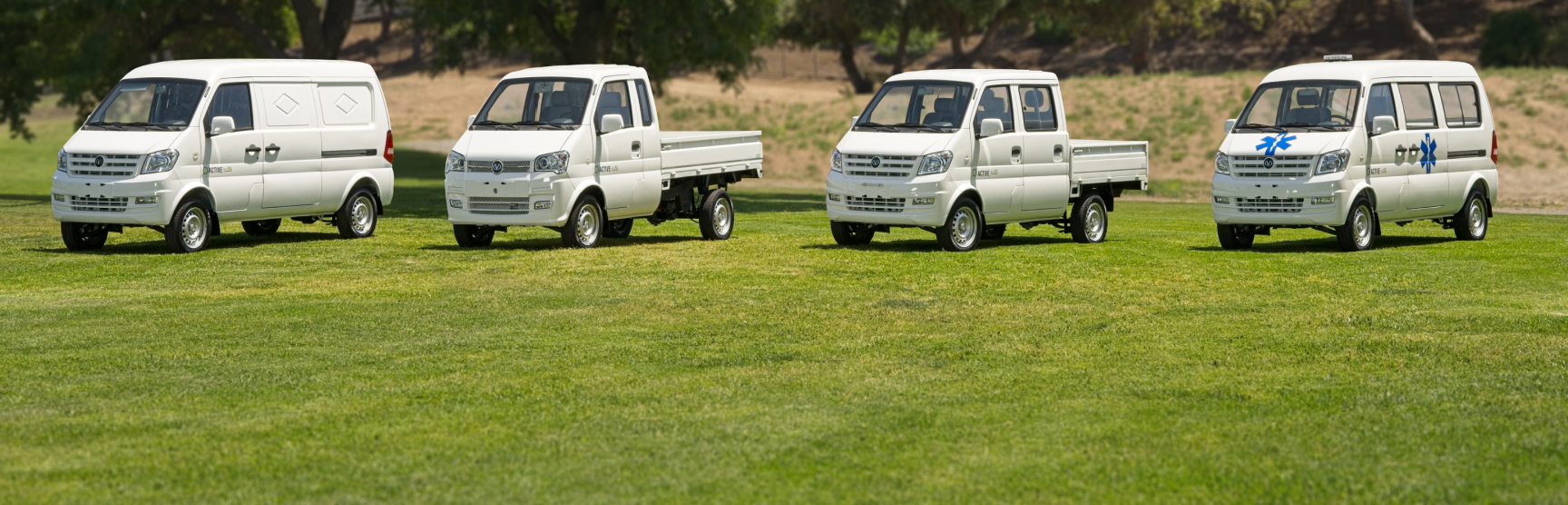
Organizations evaluating street-legal low-speed vehicles can simplify compliance by selecting models already designed to meet federal expectations. Vantage electric low-speed vehicles and select gas-powered options meet FMVSS 500 equipment requirements and stay within the governed speed band.
A short internal checklist helps teams standardize deployment and maintain ongoing compliance:
- Select a Vantage electric or gas LSV that meets FMVSS 500.
- Confirm posted roadway speeds along intended travel routes.
- Register, insure, and assign a license plate as required by state law.
- Train operators to navigate mixed-use environments safely.
- Map approved LSV routes and limit on-road use to those corridors.
- Establish simple pre-trip checks for lights, brakes, tires, and seat belts.
- Document who is authorized to operate street-legal LSVs and when on-road use is allowed.
Aligning federal safety standards with the varying expectations of low-speed vehicle laws ensures these platforms remain safe, predictable, and ready for daily use. Explore the Vantage inventory for the finest in street-legal LSVs and specialty utility vehicles.