Neighborhood Mobility Carts for Gated Communities

Short, repetitive trips define daily life inside many gated communities—from mail kiosks and clubhouses to fitness centers and gatehouses. Walking works for some residents some of the time, but not for everyone, and full-size vehicles often feel out of scale for internal roads built around people, not traffic.
That gap has pushed many communities to look closely at neighborhood electric vehicles as a practical way to move people and supplies without bringing noise and congestion along for the ride.
A neighborhood electric vehicle (NEV)—considered a type of low-speed vehicle (LSV)—is a battery-powered vehicle that complies with federal standards (FMVSS 500). NEVs are generally defined as four-wheeled vehicles with a GVWR of 3,000 pounds or less and a governed speed between 20 and 25 mph.
Depending on state and local rules, they are often permitted on public roads with posted speed limits of 35 mph or less, as well as on private community roads, making them ideal for gated community mobility.
For HOA boards, developers, and property managers, the real question is how NEVs and other low-speed vehicles support safer, quieter mobility and everyday convenience. Below, we’ll explore these benefits and others.
Neighborhood Mobility Carts vs. LSVs: What Communities Are Really Choosing
“Neighborhood mobility cart” is a broad, informal term. It usually covers everything from resident-owned carts to shared community vehicles. Low-speed vehicles, including NEVs, are more specific—purpose-built vehicles designed to operate at modest speeds, and commonly used on private roads or approved local streets.
In practice, gated communities tend to mix categories:
-
Neighborhood golf carts for casual resident trips to amenities
-
Electric utility vehicles for security, maintenance, and facilities work
-
Enclosed LSVs for routes that run all day, in all weather, with passengers or cargo onboard
The distinction is important because duty cycles differ. A cart used for a quick clubhouse run has different needs than a vehicle covering patrol loops or hauling tools. Communities that start by mapping routes often end up with a small fleet rather than a single “do-everything” vehicle.
Where Gated Communities Feel the Biggest Gains

Across properties, the same use cases show up again and again:
- Resident mobility between homes and shared spaces—especially for older residents or anyone limiting short car trips
- Guest and vendor circulation inside controlled access areas
- Operations support for security patrols, groundskeeping, facilities response, and event setup
These short trips add up. Replacing even a portion of them with electric carts reduces internal traffic while improving response times for staff. The result is quieter roads and fewer full-size vehicles idling near homes.
Sustainability That Shows Up in Daily Operations
Communities often frame vehicle adoption around sustainability, and for good reason. Eco-friendly transportation alternatives for gated communities like NEVs remove tailpipe emissions from the trips that happen most often—loops that rarely exceed a mile or two.
Compared with gas-powered options, low-speed electric vehicles can also reduce routine upkeep costs—there are no oil changes, and maintenance tends to be simpler over time. Electric operation also cuts noise, which is useful during early-morning maintenance and evening patrols.
The operational side is just as important. Centralized overnight parking and straightforward charging keep fleets predictable. When vehicles return to the same spots each night, energy use is easier to manage and uptime improves. That combination makes neighborhood electric vehicles a practical sustainability choice, not just a symbolic one.
Convenience Residents and Staff Actually Notice

Convenience is the benefit people feel first. For residents, LSVs, such as golf carts for gated communities, make quick trips easier without committing to a full car drive. For staff, the effect is measurable: faster response for minor repairs, quicker gate checks, and smoother event setup.
Cargo is another consideration. Being able to move cones, signage, tools, and supplies without swapping vehicles saves time. Weather protection is an additional benefit. Rainy-day patrols or cold mornings still need coverage, and enclosed options keep schedules intact. Over time, that reliability shapes how residents judge the community’s level of service.
Planning a Cart-Friendly Community Network
Vehicles succeed when the network supports them. Before buying, communities should review:
- Safe crossings and signage near high-traffic amenities
- Designated parking at clubhouses and pools
- Secure storage that discourages misuse
- Charging locations aligned with dispatch routines
Some communities operate an operations-only NEV fleet. Others introduce shared resident vehicles with simple check-out rules. A hybrid approach—staff vehicles plus limited resident access—often balances control and convenience.
A Practical Look at Vantage Electric Options for Gated Communities
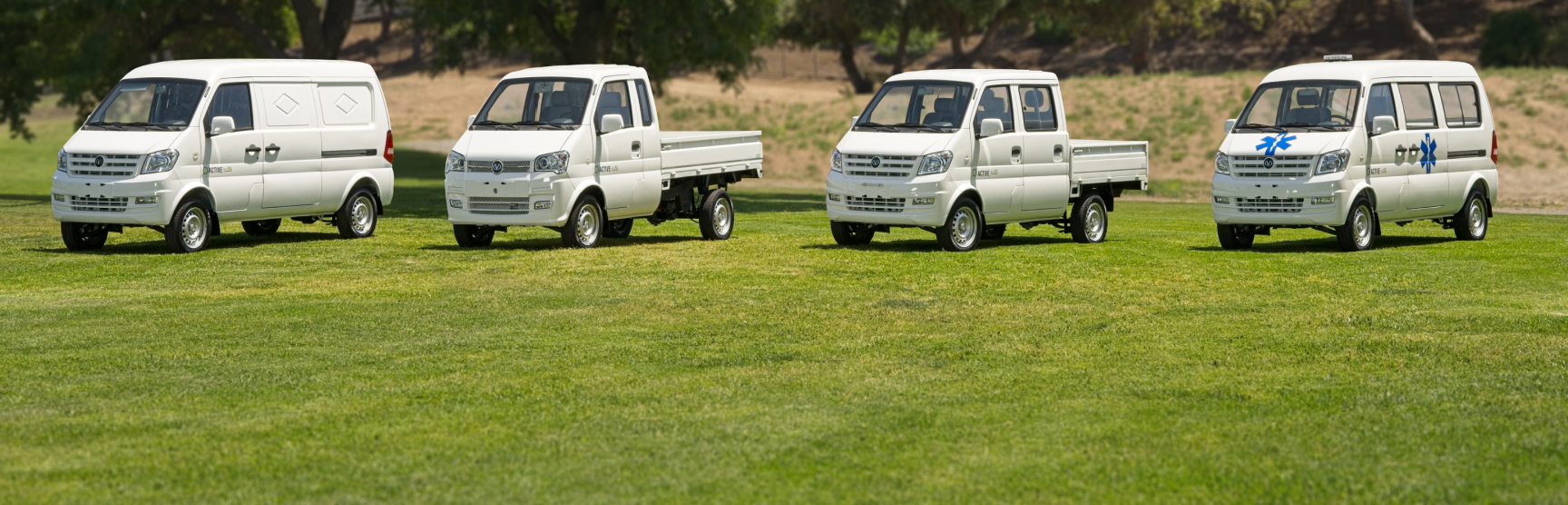
When evaluating electric neighborhood vehicles for gated communities, it helps to look at how specific vehicle types align with daily routes and tasks. Vantage Vehicle offers several electric LSV configurations that translate well to residential environments where safety, quiet operation, and versatility are valued.
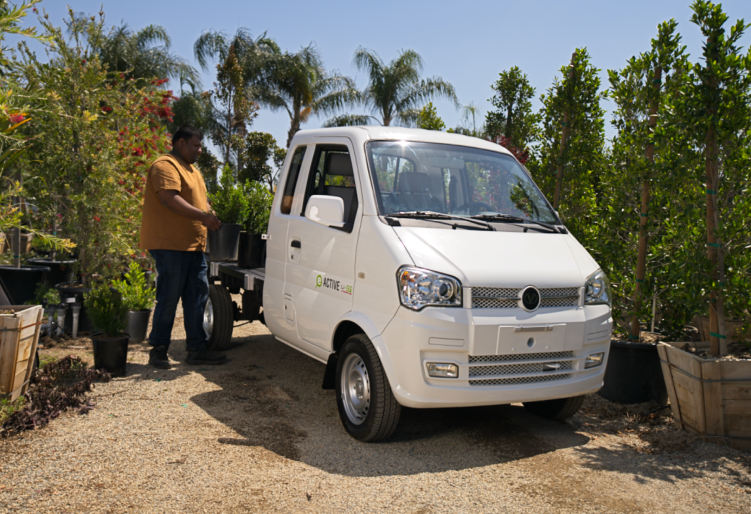
- Electric Extended Cab Truck — A compact, enclosed two-seat truck well suited for inspection loops and light maintenance work. This style works well for staff who need weather protection and secure interior space while moving steadily around the community.
- Electric Crew Cab Truck — Designed to move people and gear together, the crew cab configuration supports security patrols and grounds crews that want one vehicle per route instead of multiple trips. Rear seating combined with a usable bed keeps operations efficient.
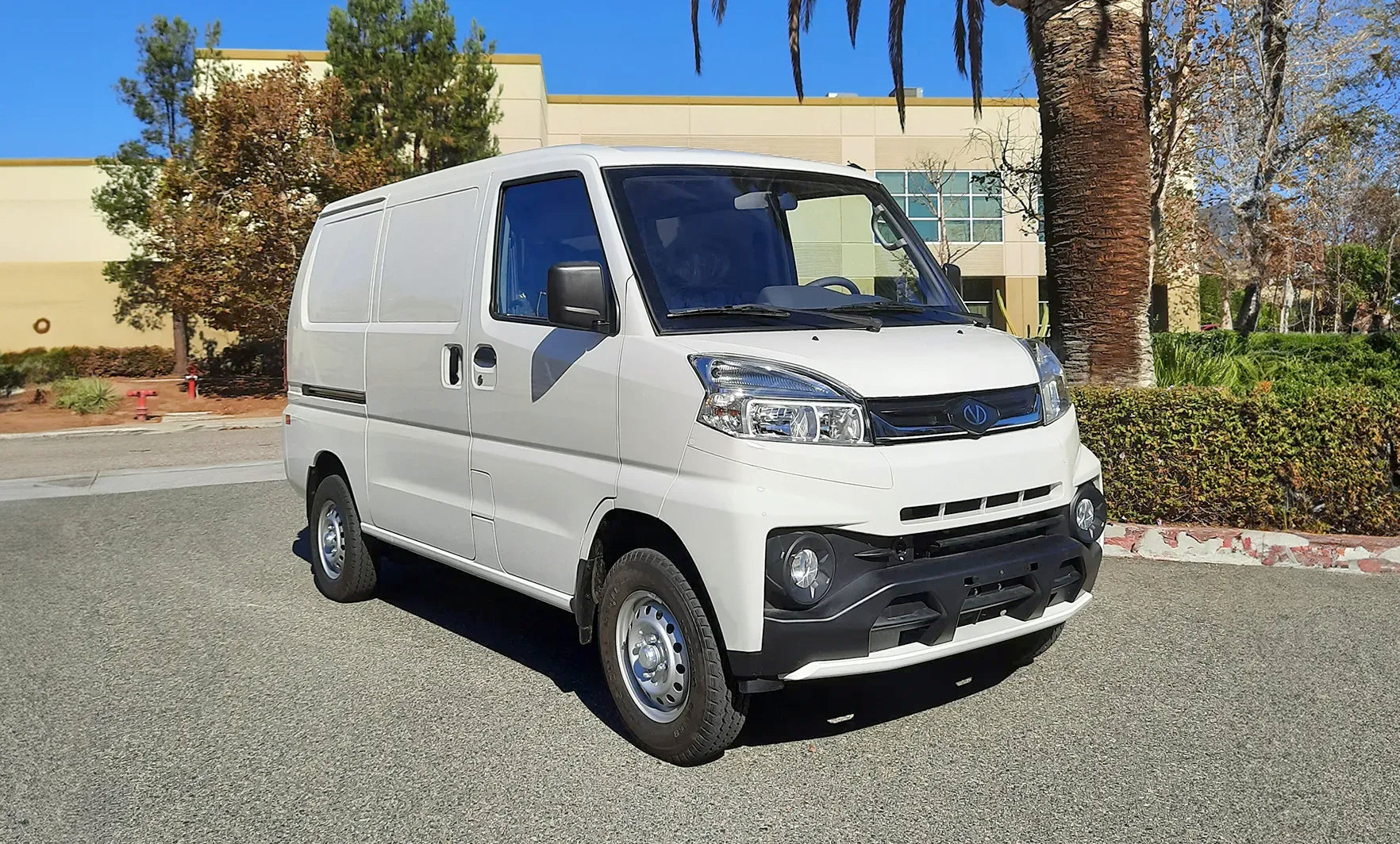
- Electric Cargo / Panel Van — An enclosed cargo option that provides secure storage for tools and supplies. This format fits communities that want equipment locked away during patrols or overnight staging, and it performs well on longer internal service routes.
- Electric Passenger Window Van — A people-mover option for resident shuttles, guest circulation, or peak-time trips between gates, clubhouses, and overflow parking. It supports community events and amenity access without relying on full-size vehicles.
Each of these electric low-speed vehicles is designed for predictable routes and repeat daily use—exactly the conditions found in most gated communities. Rather than selecting a single “best” golf cart for neighborhood use, many properties mix vehicle types to match how different routes are actually used.
Lessons From Golf Course Fleets That Translate Directly
Golf courses and gated communities share a lot: stop-and-go loops, mixed pedestrian traffic, and the need for quiet operation over long days. That overlap is why vehicles positioned for golf course operations often work just as well inside residential gates. Vantage highlights this crossover in our golf LSVs, which can fulfill many of the patrol, maintenance, and service roles required in gated communities.
Bringing It All Together With Vantage

Neighborhood mobility works best when communities start with routes, not vehicles. Mapping daily loops and setting clear rules create the foundation. From there, neighborhood golf carts and other LSVs become tools that support sustainability goals, improve safety, and raise the level of everyday convenience.
For HOA boards, developers, and property managers ready to move forward, reviewing electric configurations that match those routes is the logical next step. Exploring our electric collection can help narrow options and build a fleet that fits how your community actually moves.