7 Benefits of Custom Golf Course Utility Fleets

A golf course fleet is a long-term operational asset, not a collection of individual carts or golfer-focused vehicles. When vehicles are purchased one at a time, small mismatches add up, leading to extra trips, inconsistent setups, uneven wear, and higher replacement costs. A custom golf course fleet takes a different approach by planning utility work vehicles as a system, with each unit configured for a defined role within daily golf course operations.
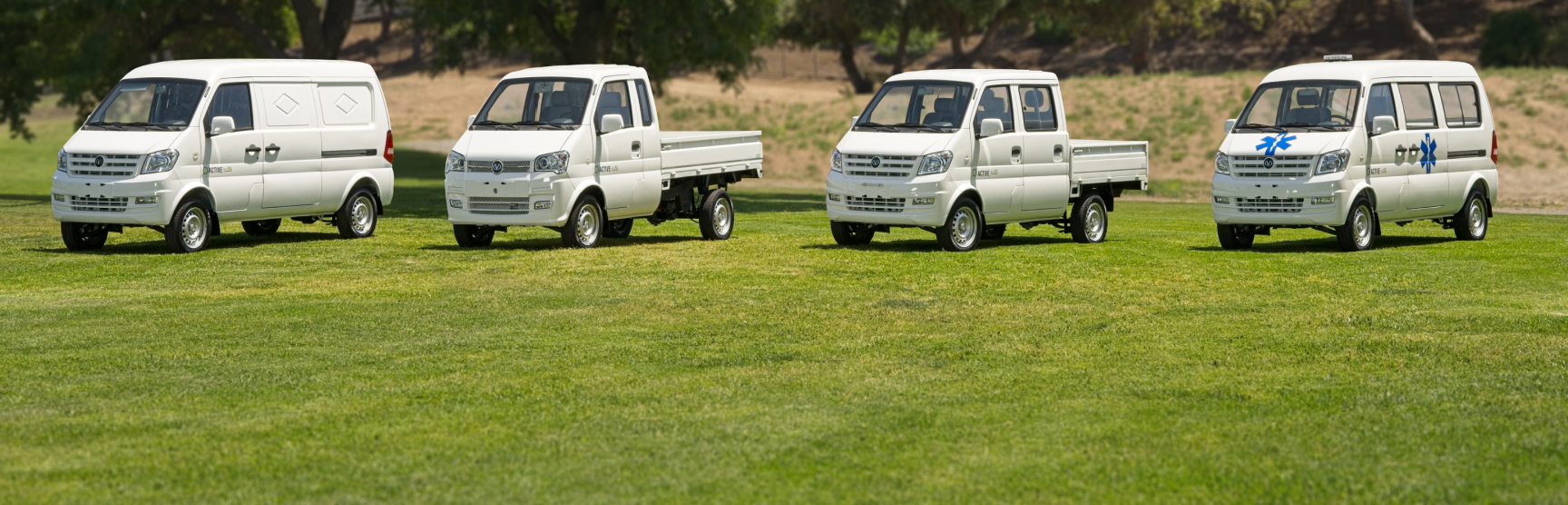
By combining custom utility vehicles and purpose-built low-speed vehicles (LSVs) with department-specific layouts, courses gain consistency across beverage service, maintenance, events, and daily support work. The result is smoother day-to-day golf course operations and a property that looks as organized as it plays.
Below are seven benefits that golf courses see when they move beyond standard carts and build a fleet of purpose-built work vehicles designed for the job.
1. Fleet standardization that simplifies training
A custom fleet replaces a patchwork of carts with consistent layouts and controls. New hires learn one system instead of several. Crews rotate routes without needing to learn vehicle quirks. Standardization reduces mistakes and shortens onboarding time, especially during seasonal hiring.
2. Vehicles matched to roles, not guesses
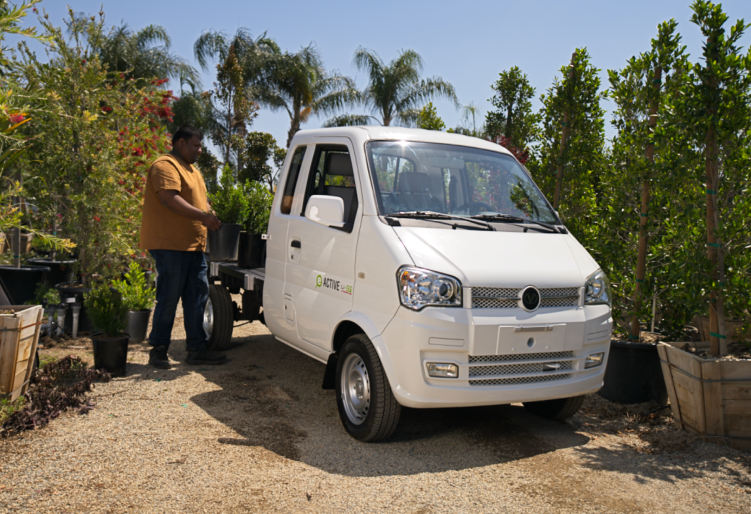
A fleet plan assigns the right platform to each department, including beverage service, maintenance, outside services, events, and customer support. For instance, purpose-built utility vehicles handle tools and materials, the golf course beverage cart supports refreshment routes, and passenger-focused units support staff transport. This is one of the areas where custom utility vehicles significantly outperform golf carts modified after purchase because they are built for real operational tasks from day one.
3. Higher uptime through planned redundancy
Custom fleets are sized around daily demand rather than reactive, peak-driven needs. With defined primary routes and a few cross-trained spares, a vehicle down for service doesn’t stall the day. That predictability is particularly important during tournaments, aeration weeks, and weather shifts.
4. Cleaner budgeting and replacement cycles

Buying vehicles one at a time creates uneven costs. A fleet approach supports phased replacement and clearer lifecycle planning. Many courses pair this with electric fleet solutions for predictable, centralized routes, while keeping gas-powered utility trucks where refueling flexibility is required. The outcome is steadier capital planning and fewer surprises.
5. Measurable sustainability gains
Electric low-speed vehicles are increasingly prized for their eco-friendliness, and their deployment works best at the fleet level. When routes, charging, and duty cycles are planned together, electric vehicles for golf courses deliver real gains, such as quieter early-morning work and reductions in fuel use. When routes and charging are planned in advance, electric vehicle fleet solutions support consistent, trackable usage patterns rather than one-off pilot vehicles that are difficult to evaluate.
6. Consistent branding across the property
A unified fleet looks professional in a way that a random assortment of vehicles cannot. Color-matched bodies and department markings present a polished image to members and guests. Unlike piecemeal customized carts, a fleet-wide approach keeps the property looking organized, all year long.
7. A clear step up from standard carts
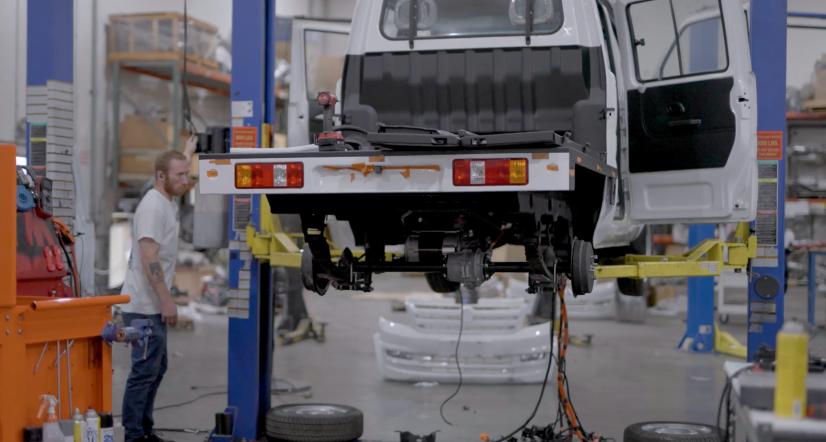
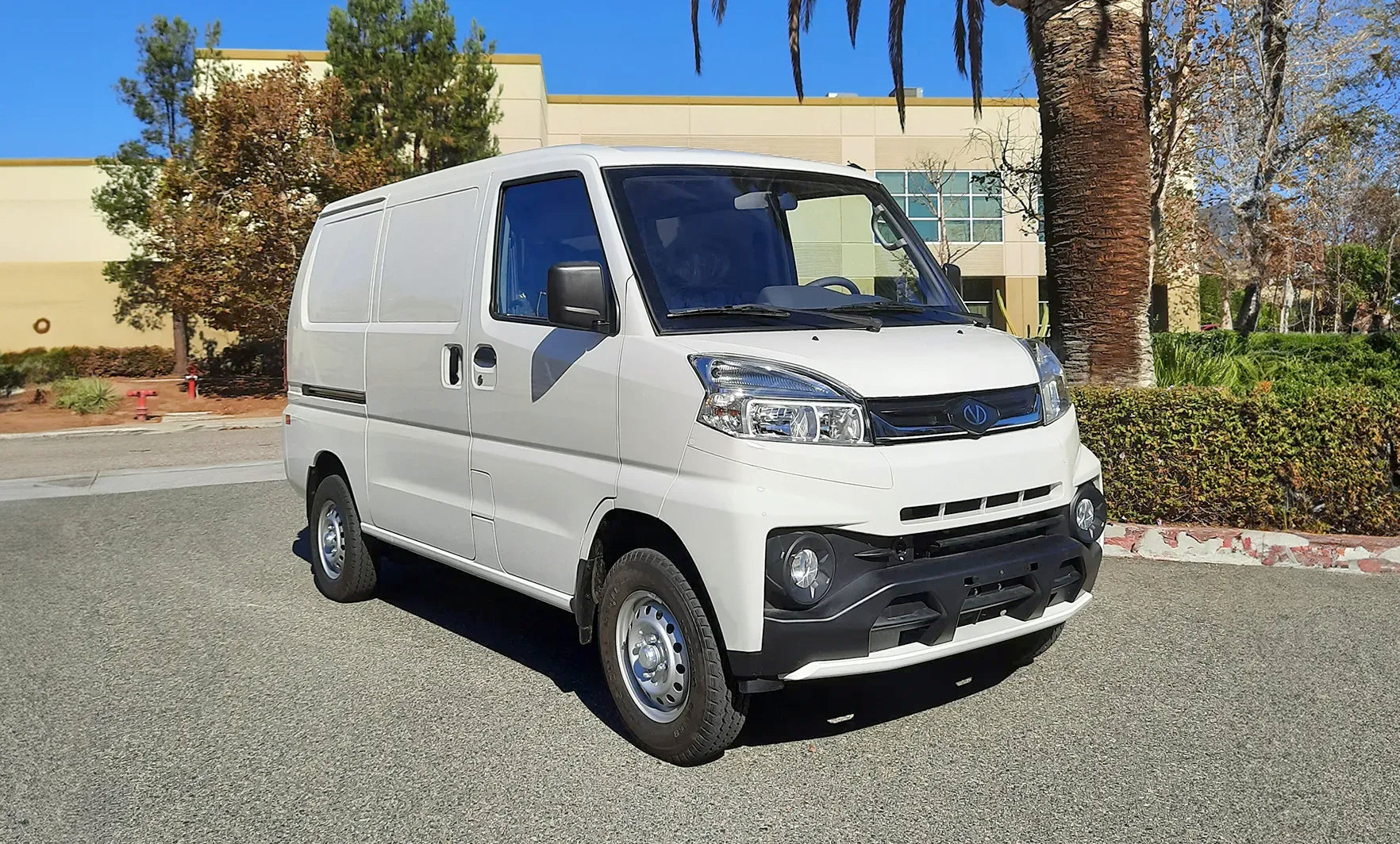
Electric low-speed vehicles built as work platforms outperform a typical golf course cart because they’re designed for real-duty use rather than light passenger transport. An LSV brings automotive-grade construction and stable handling under load, with payload capacity that supports daily maintenance and event work. In practice, electric utility vehicles classified as LSVs and gas-powered utility trucks become part of the course infrastructure rather than a workaround.
Custom Golf Course Utility Vehicles From Vantage Vehicle

As visitor expectations rise, golf courses need mobility that keeps pace. These days, that means electric LSVs and gas-powered utility trucks configured around your routes and staff workflows.
A fleet built around custom utility vehicles delivers measurable improvements across golf course operations. Compared with traditional golf carts, purpose-built electric LSVs and utility work vehicles deliver consistency and resilience across the property.
To see how a fleet comes together, from layouts and bodies to branding and power options, explore our customization services and start shaping a fleet that works the way your course does.