How LSVs Improve HOA Property Maintenance

Effective HOA maintenance plays a major role in the long-term value of these kinds of residential communities. From landscaped entrances to shared amenities, maintenance teams help ensure that common spaces remain clean and welcoming for residents. In many communities, this work takes place across a wide area that includes internal roads, recreational facilities, walkways, and neighborhood gathering spaces.
This is where low-speed vehicles can make a meaningful difference. By helping teams move more efficiently and carry what they need, LSVs support better daily operations across an HOA community.
Routine Maintenance in an HOA Neighborhood
Maintenance work in a homeowners association rarely happens in a single place. Crews often travel throughout the community performing a wide range of routine tasks designed to keep shared spaces operating smoothly.
Typical maintenance responsibilities in an HOA include:
- Landscaping care and irrigation monitoring
- Pool, clubhouse, and amenity-area upkeep
- Lighting, signage, and entry-feature maintenance
- Trash collection and debris removal
- Sidewalk, parking area, and pathway upkeep
- Regular inspections of shared infrastructure and community spaces
These tasks form the foundation of daily community maintenance. In many neighborhoods, they occur across several locations during the same shift. A maintenance team may begin the day inspecting irrigation zones, move on to lighting repairs, then handle debris removal near a clubhouse or entry feature.
Regular maintenance helps prevent small issues from becoming larger repair problems. When inspections and service work happen reliably, HOA boards and property managers can maintain a higher standard of care for common areas while avoiding unnecessary repair costs.
Why LSVs Are Often the Best Option for an HOA

Maintenance teams generally rely on three basic ways to move through a community: walking between work sites, using standard trucks, or using low-speed vehicles. Each option has advantages depending on the type of work being performed.
Walking crews may work well in smaller properties but can lose significant time traveling between service points in larger neighborhoods. Standard trucks remain useful for hauling materials and supporting larger projects, yet they are often more vehicle than necessary for many routine maintenance tasks.
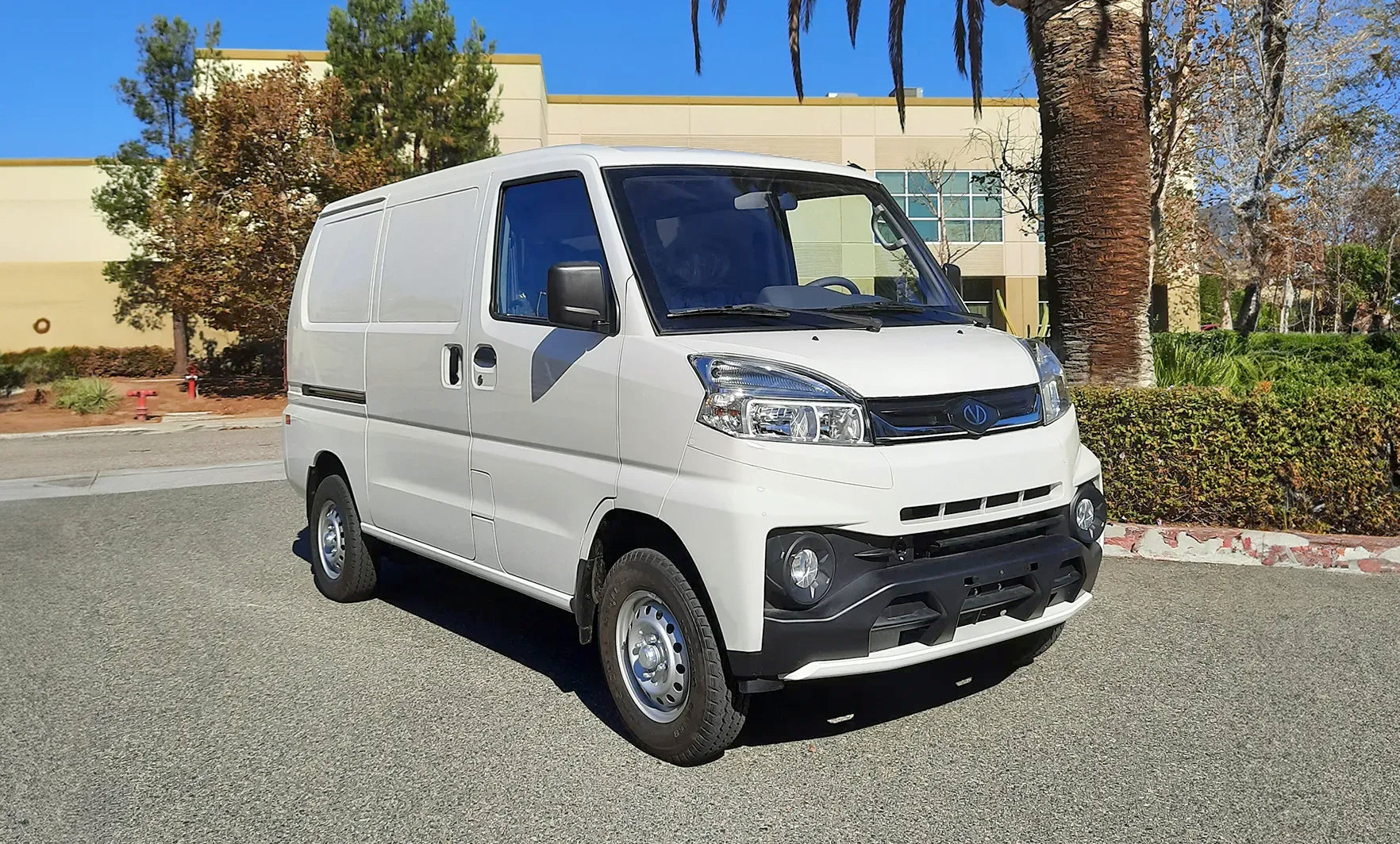
This is where LSVs offer a practical middle ground. Designed for short trips and frequent stops, low-speed vehicles match the way maintenance work actually occurs in many residential communities. Work-ready solutions such as Vantage LSVs can be a valuable asset, especially when the goal is to improve mobility across residential properties while keeping crews equipped for daily work.
Better Suited to Short, Repetitive Routes
Much of HOA maintenance takes place along short internal routes connecting shared amenities and residential streets. Crews often travel from one service point to another several times during the day.
For this type of work pattern, high top speed is rarely the most important factor. What matters more is efficiency on repeated short trips with frequent stops. Low-speed vehicles are designed specifically for this type of travel, making them a strong fit for neighborhood maintenance routes.
More Efficient Than Walking Maintenance Teams
In large communities, walking between service locations can take valuable time away from the work itself. Maintenance staff may also need to return to storage areas for tools or supplies.
Using low-speed vehicles helps crews move between inspection points more efficiently while carrying the equipment needed for the task. This approach supports daily property maintenance activities such as lighting checks and routine service calls.
When crews spend less time traveling on foot, they can focus more on completing repairs and inspections across the community.
More Practical Than Standard Trucks for Daily HOA Work
Standard trucks remain important for larger repair projects and transporting bulk materials. However, many day-to-day HOA tasks do not require the size or capacity of a full pickup truck.
Routine work such as inspections, light repairs, supply runs, and general common area maintenance often involves short trips and quick stops throughout the neighborhood. In these situations, a full-size truck can be oversized for the task.
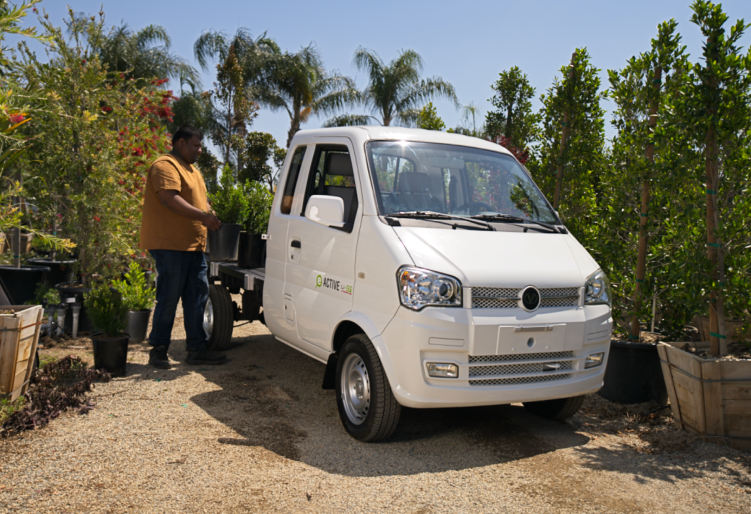
Low-speed vehicles provide a more practical option for these types of activities. They offer useful cargo capacity while remaining easier to operate on short routes within a residential environment. Vehicles such as the Vantage Extended Cab Truck are designed to support these multi-purpose needs by providing additional seating along with cargo space, allowing maintenance teams to handle multiple service tasks during the same route.
Easier to Maneuver Around Residential Communities
Residential communities often include narrow internal roads, landscaped entrances, parking areas, and pedestrian-heavy spaces near amenities. Getting through these areas can be challenging with larger fleet vehicles.
The relatively compact size of an LSV allows maintenance teams to move through these spaces more easily. This can simplify access to service areas near clubhouses, pools, mail kiosks, and neighborhood gathering spots where maintenance work frequently occurs.
Improved maneuverability helps crews reach service locations quickly while minimizing disruption to residents.
Electric LSVs Are a Smart Fit for HOA Neighborhoods
Many residential communities are now adopting electric low-speed vehicles for daily maintenance work. Electric models align well with the way HOA service routes normally operate.
Advantages of electric utility vehicles in HOA environments include:
- Lower operating costs for repeated short-distance travel
- Quiet operation suited to residential neighborhoods
- Simple overnight charging for daily fleet use
These benefits make electric vehicles especially appealing for maintenance teams that travel throughout the neighborhood performing inspections and general upkeep.
In many communities, a neighborhood electric vehicle can handle most daily transportation needs associated with routine property maintenance. Vantage’s street-legal low-speed vehicles can also operate on community roads where regulations allow, giving crews flexibility when traveling between work sites.
Vantage Vehicles for HOA Maintenance

For HOA boards and property managers considering vehicle options, selecting equipment appropriate for neighborhood service work is important. Vehicles built for grounds and maintenance operations can help crews handle a variety of daily service tasks efficiently.
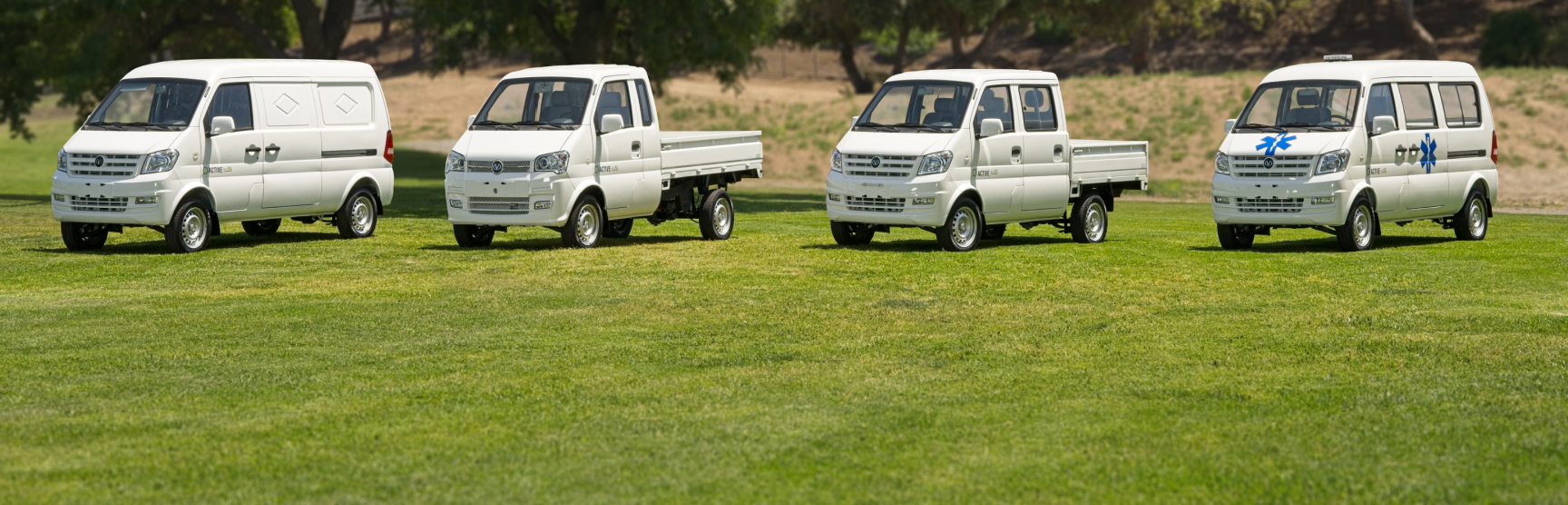
Our vehicles are designed for environments where short trips, frequent stops, and practical cargo space are essential. Their work-ready designs help maintenance teams move through the neighborhood with ease.
For communities seeking dependable solutions, Vantage grounds maintenance vehicles provide purpose-built options that support daily property tasks while helping crews cover more ground throughout the area.