Choosing the Best Low-Speed Utility Vehicle for Your Golf Course

Running a golf course depends on reliable mobility. From early-morning setup to afternoon maintenance loops, the right golf course utility vehicles keep crews moving, tools organized, and turf protected. In recent years, purpose-built low-speed vehicles (LSVs) have become increasingly accepted as an alternative to traditional golf carts for daily course operations.
The challenge, however, is sorting through options and identifying the best low-speed vehicles for your operation—not just what looks good on paper, but what works day after day on your course.
This guide focuses on how to choose a purpose-built low-speed utility vehicle designed for beverage service, maintenance projects, and transport needs, with a clear look at electric LSVs, gas-powered utility trucks, body styles, and configuration choices.
Start With How Your Course Actually Operates
Before comparing models, map how your vehicles are used during a normal week. Some golf course vehicles run predictable loops between the maintenance shop and course features. Others support stop-and-go work, such as beverage service routes, odd jobs, landscaping support, or irrigation checks.
Before committing, answer these questions:
- What is the heaviest load we carry routinely?
- How many staff members move together?
- Do tools need lockable, weather-protected storage?
- Where will vehicles charge or refuel?
- What is the longest route on a peak maintenance day?
- Which paths and surfaces must the vehicle navigate daily?
This baseline makes it easier to choose the right low-speed utility vehicle rather than defaulting to generic custom golf carts.
Turf Protection and Surface Considerations
Golf courses demand vehicles that move efficiently without damaging playing surfaces. Tire selection, suspension setup, and load distribution all play a role.
Vantage Vehicle golf course utility vehicles can be available with turf rims and tires designed to reduce scuffing near greens, tees, and sensitive approach areas. For courses that routinely haul tools, sand, or debris, heavy-duty rear spring options help maintain stability and consistent ride height under load, especially on stop-and-go maintenance routes.
Overloading undersized carts or utility vehicles is one of the most common causes of turf damage on golf courses. Vantage Vehicle addresses this by offering full-sized truck beds and enclosed cargo bodies, so crews can size their vehicle to routine loads.
Match the Body Style to the Job

Not all utility vehicles serve the same purpose. Selecting the right layout reduces trips and improves crew productivity.
Open-bed utility trucks
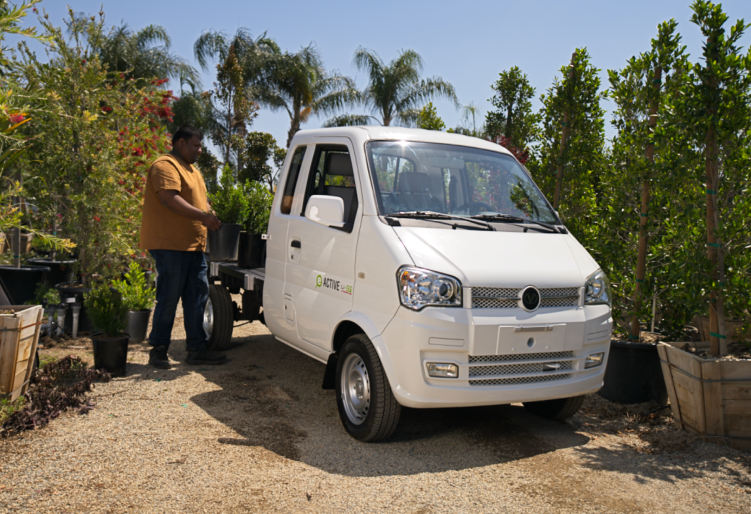
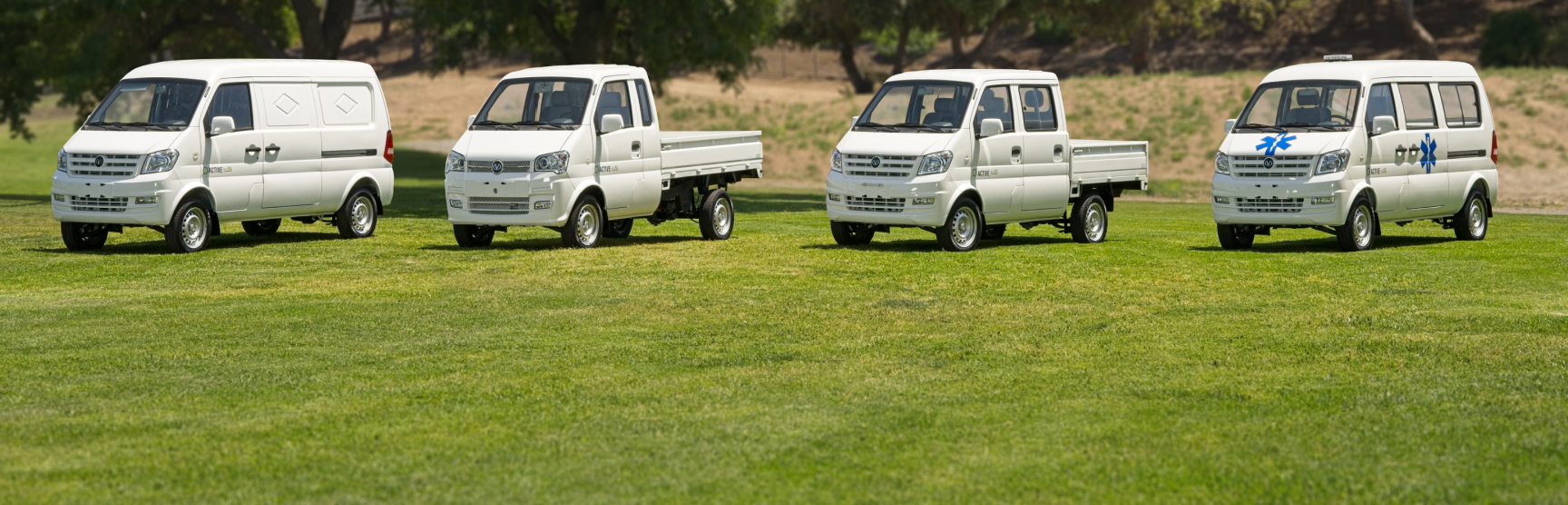
Best for hauling sand, divot mix, hand tools, debris, and materials for daily maintenance and construction-related tasks. An open bed allows fast loading and unloading during maintenance cycles and supports attachments like tipper dump beds. The Vantage e-Active Extended Cab Truck seats two and provides an 88.2" x 55.1" x 13.8" bed.
Beverage service vehicles
Designed for food and beverage operations, these vehicles support predictable routes with frequent stops and organized transport of drinks and supplies. Enclosed cabs allow for all-weather use, while dedicated cargo space helps staff restock efficiently during peak service periods. The Vantage Beverage Cart provides an enclosed cab for two and a dedicated rear cargo area designed to carry beverages, ice, and service supplies across the course.
Crew-oriented trucks
Designed for transporting crews across the course, these reduce the number of vehicles needed during early shifts, beverage service setup, and project-based work. Seating capacity becomes just as important as bed space. The Vantage e-Active Crew Cab Truck provides an enclosed cabin with room for up to five (2 front, 3 rear), plus a bed behind the cabin for equipment support.
Enclosed cargo vans
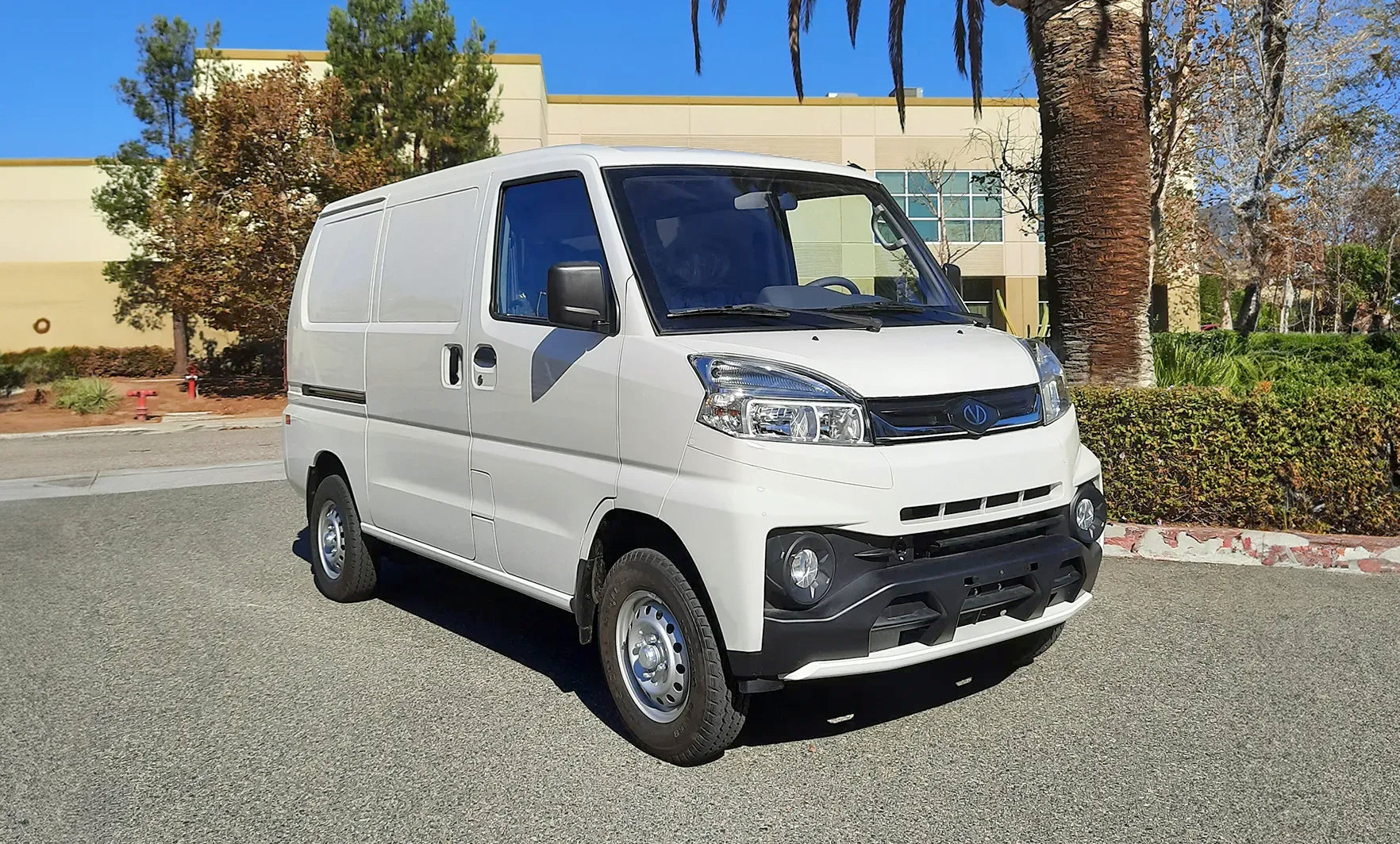
Ideal when tools, parts, or materials need to stay dry and secure. Many golf courses use enclosed units as mobile maintenance hubs for beverage operations, odd jobs, repairs, and tournament preparation—especially during weather changes. The Vantage Gas Panel Van is built for courses that treat their utility vehicle as a rolling maintenance hub rather than a short-loop cart. With a fully enclosed body, it keeps tools protected from weather and theft while moving efficiently across the property.
These configurations go beyond traditional types of golf carts and reflect how modern utility work vehicles have evolved into true operational platforms for golf courses.
Electric Low-Speed Vehicles vs. Gas-Powered Utility Trucks
Both powertrains have a place in golf course operations. The best fit depends on how vehicles are staged and used.
Electric vehicles for golf courses
Low-speed electric vehicles suit predictable routes and centralized parking areas and are commonly classified as LSVs in applicable states when properly equipped and registered. Overnight charging supports daily use, and quiet operation helps during early maintenance windows. Battery capacity should match your longest loaded day rather than average mileage.
Vantage’s electric models are designed to charge from a standard 20-amp dedicated circuit, with an optional J1772 input available for faster Level 2 charging.
Gas-powered vehicles for golf courses
Gas-powered utility trucks work well for long, variable days where crews rotate vehicles or refueling must be quick, though they are not classified as LSVs in all states. They fit shared fleets that can’t always return to a charger between tasks and offer familiar operation for staff.
Vantage’s gas-powered vehicles use a 4-speed automatic transmission and a 1.5L inline 4-cylinder engine (90 hp) with a 12.7-gallon fuel tank.
Both electric LSVs and gas-powered utility trucks can meet the needs of golf course environments when selected and configured for the intended job.
Plan for uptime and daily reliability
Choosing a utility vehicle is also about keeping it available. Enclosed cabs extend usability during rain or cold mornings, while available features like backup cameras and warning alarms improve safety around pedestrians and equipment.
Think about where vehicles will park, who performs daily checks, and how easily staff can access tools and materials. Small decisions here affect long-term reliability as much as drivetrain choice.
Accessories that expand capability
One advantage of purpose-built golf course utility work vehicles is adaptability. A single platform can handle multiple roles with the right add-ons:
- Dump beds for debris and material handling
- Refuse hoppers for cleanup and event teardown
- Lockable toolboxes and ladder racks for maintenance crews
- Light towing for utility trailers or small equipment moves
These options often separate basic gas or electric golf carts from true utility work vehicles built for course operations.
Choose a Vehicle That Fits Your Course

Selecting among today’s electric LSVs and gas-powered utility trucks for golf courses comes down to matching equipment to real work, not marketing categories. When payload, layout, and operating rhythm properly complement one another, a low-speed utility vehicle becomes part of the course infrastructure rather than a bottleneck.
Teams evaluating electric LSVs or gas-powered utility trucks for golf courses can work with Vantage Vehicle to customize work vehicles for year-round operations without forcing the course to adapt to the vehicle.