How Event Planners Use LSVs for Logistics and Gear

Event planners often work within narrow load-in windows while crews move staging materials, audiovisual equipment, signs, and supplies across a large site. Long distances between loading areas and event spaces can turn each forgotten item into a delay. A low-speed vehicle (LSV) gives operations teams a compact way to make repeated trips without routing a full-size truck through every part of the venue.
Why Events Rely on LSVs
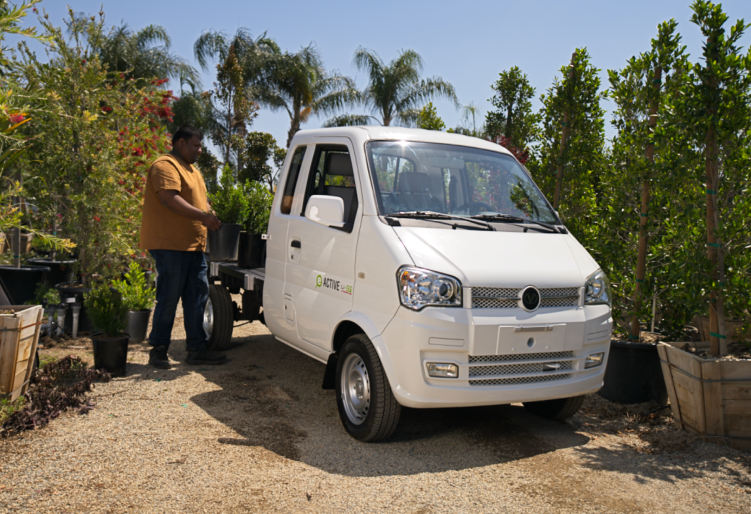
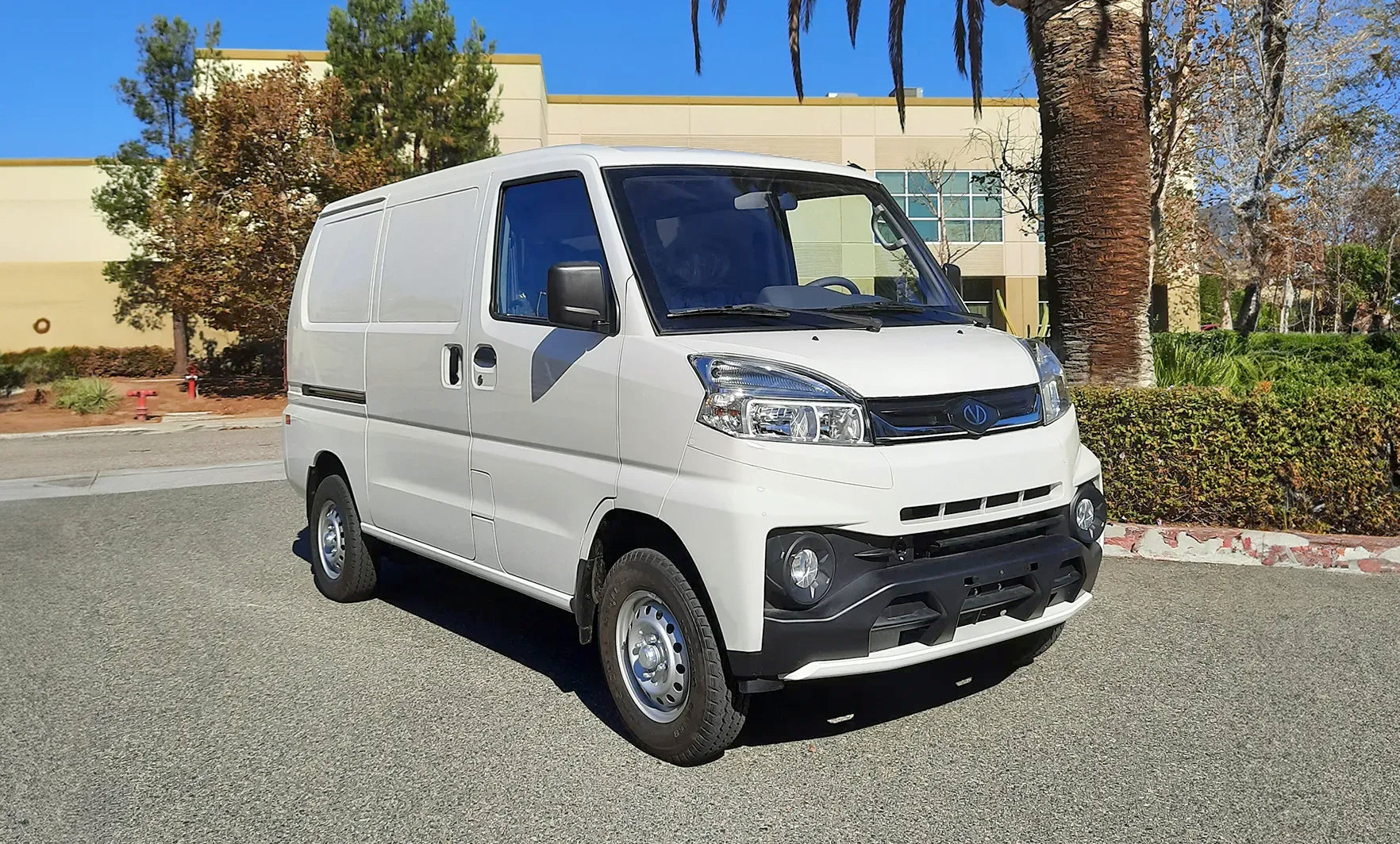
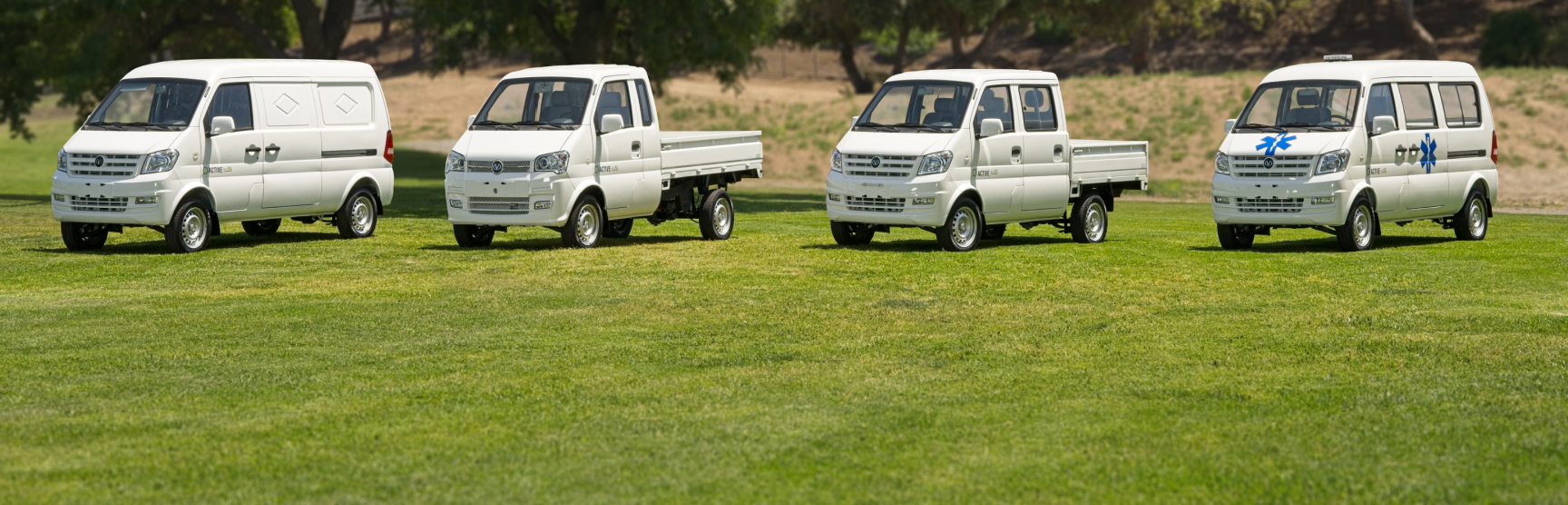
Events rely on LSVs because they provide compact transportation for moving gear and people between work zones. Vantage electric models are governed to a maximum speed of 25 mph and are available in fully enclosed truck and van configurations for event planning logistics. Vantage also offers gas-powered utility vehicles for outdoor assignments.
LSVs vs. Golf Carts vs. Trucks
|
Consideration |
Vantage LSV |
Conventional Golf Cart |
Full-Size Work Truck |
|
Typical design |
Enclosed truck or van with road-use equipment |
Usually an open vehicle for short on-site trips |
Larger vehicle intended for general roadway use |
|
Cargo capacity |
Model-specific truck beds and cargo vans |
Usually limited to smaller loads |
Generally suited to heavier or larger loads |
|
Event role |
Gear runs, crew transport, and short connections between work zones |
Light-duty movement within a controlled property |
Heavy loads, long-distance delivery, and highway travel |
|
Public-road use |
Eligible on approved roads where state and local laws allow |
Usually limited to private property or locally authorized routes |
Permitted according to its registration and vehicle class |
|
Site footprint |
More compact than a full-size truck |
Generally the smallest option |
Requires more operating and parking space |
|
Total cost and operational value |
Combines cargo flexibility, road access, and operating efficiency |
Lower initial cost comes with narrower operational capabilities |
Higher operating costs may outweigh value for routine short trips |
A Vantage LSV offers more weather protection and cargo flexibility than a conventional golf cart while requiring less operating and staging space than a full-size truck.
Hauling Gear During Load-In and Teardown
Full-size delivery trucks often unload at a central receiving area rather than travel to every stage or vendor space. LSVs can distribute smaller loads from that point while keeping large trucks away from pedestrian-heavy areas.
Common assignments include:
- Delivering tables, signs, and barriers
- Moving audiovisual and staging equipment
- Restocking vendor or hospitality areas
- Carrying tools to technicians
Vantage truck beds and enclosed panel vans support these repeated trips. Optional stake-bed sides can help contain suitable loads, while lockable toolboxes and toppers can protect equipment. A cargo divider can separate equipment from the passenger area inside a van.
Properly equipped Vantage trucks are available with an optional rear bumper and receiver for towing up to 1,500 pounds. Operators must remain within all published vehicle, hitch, and trailer limits.
Shuttling Staff, Vendors, and VIPs
Passenger models can provide event transportation for staff, vendors, and designated guests. A window van or crew-cab truck also offers an enclosed cabin for protection from the weather.
Passenger ratings vary by model. Public-road use may reduce the permitted passenger count because occupants and cargo count toward the vehicle’s weight limit. Each LSV should have a defined assignment so a gear vehicle does not become an unplanned shuttle.
Matching LSVs to Your Venue and Terrain
Map each operating route before selecting a fleet. Review factors such as:
- Surface condition and grade
- Route width and turning space
- Pedestrian or restricted areas
- Distance to charging or fueling points
Paved service roads are natural applications. Firm grass or gravel routes may also be usable after reviewing the load and ground conditions, but wet or loose surfaces may not provide adequate traction or support.
Establish a staging area where operators can collect keys and return vehicles. Numbering each LSV and assigning it to a route or work zone can reduce dispatch confusion.
Indoor operation requires venue approval. Electric utility vehicles have no tailpipe emissions and produce less propulsion noise than gasoline models, which can also benefit nighttime work near guests.
Customizing LSVs for Event Operations
Upfits work best when they match a defined assignment. Event planners may consider:
- Cargo dividers or mounted storage
- Stake-bed sides for suitable loads
- Lockable toppers or toolboxes
- Available liftgates, ladder racks, and warning equipment
- Extended-range battery packs where available
Radios, cameras, credentials, and production equipment may require an enclosed panel van or lockable storage. A mixed fleet can assign separate vehicles to passenger transport, open-bed loads, and secure equipment storage.
Electric LSVs vs. Gas Utility Vehicles for Events
Electric LSVs provide lower propulsion noise and no tailpipe emissions, but their operating plan must account for charging access and daily use. Indoor operation remains subject to venue approval.
Gas-powered utility vehicles may suit extended outdoor work when rapid refueling is more practical. Fleet costs vary according to purchase price, energy use, maintenance, and utilization.
Build the Right LSV Fleet for Your Events

Vantage can help match event workflows with enclosed trucks, vans, and available upfits. Explore Vantage electric low-speed vehicles and gas-powered utility vehicles, then contact our team to discuss a purpose-built fleet for recurring events.
FAQs
What is a low-speed vehicle and how is it used at events?
An LSV is a four-wheeled motor vehicle with a federally defined maximum speed of 25 mph. At events, it can move gear or authorized passengers along approved short-distance routes.
How much gear can an LSV haul during event load-in?
Capacity varies by model, occupants, installed equipment, and any trailer tongue weight. Review the payload rating and cargo dimensions for the exact configuration rather than estimating capacity from bed size alone.
Are electric LSVs better than gas for indoor events?
Electric LSVs are generally the appropriate option when a venue permits indoor vehicle operation because they have no tailpipe emissions and produce less propulsion noise. The venue must still approve vehicle access and charging arrangements.
Can LSVs be driven on public roads between event venues?
Yes, a properly registered street-legal LSV may use qualifying public roads when state and local laws allow. Vantage electric models are governed to 25 mph, and many states permit LSVs on roads posted at 35 mph or less. Some jurisdictions impose lower road-speed limits or route restrictions, while licensing and insurance requirements also vary.
How do I choose the right LSV for my event logistics needs?
Choose each vehicle around its intended route and assignment. Contact Vantage to discuss an LSV configuration for your event logistics needs.