Unexpected Ways Crews Use Electric Utility Vehicles

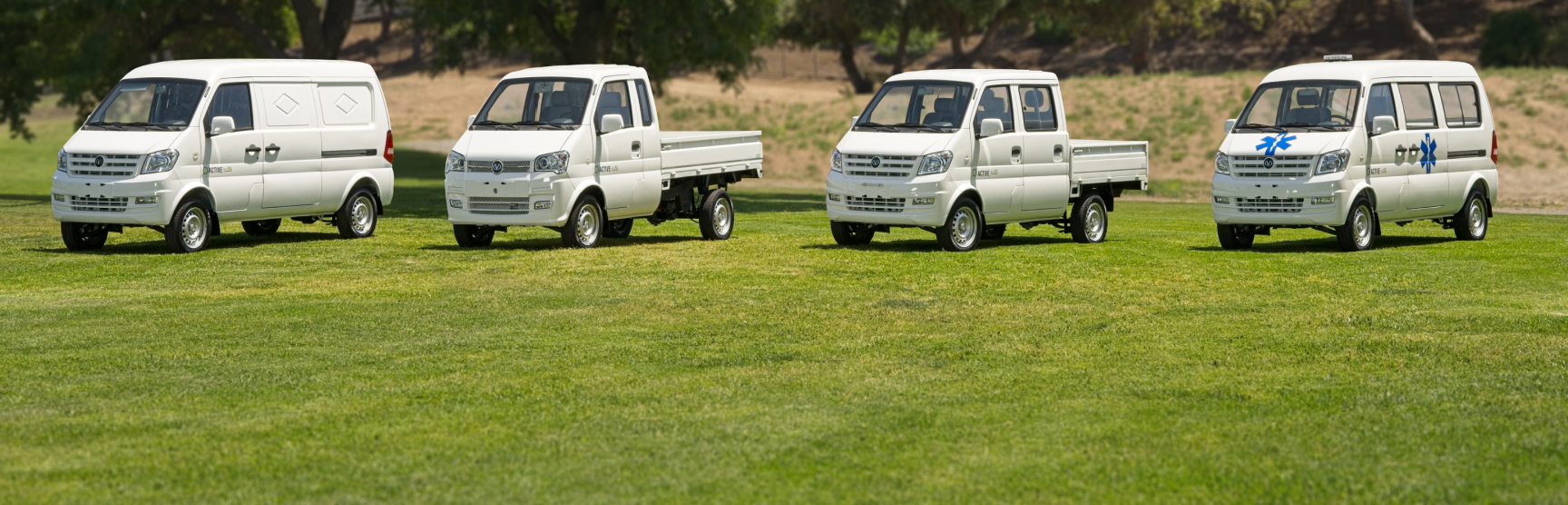
Electric utility vehicles can reliably move tools and materials, but some of their most useful purposes go well beyond basic hauling. With custom equipment, they can serve a wide variety of applications. Vantage offers truck and van configurations with model-specific equipment for roles ranging from mobile first-aid support to visible event-command stations. Their compact dimensions and quieter electric powertrains allow crews to bring specialized capabilities closer to the point of need.
1. Bringing First-Aid and Incident Support to the Scene
At a large venue or campus, a properly equipped electric vehicle can carry first-aid supplies and personnel along approved service routes. For example, Vantage’s Ambulance Kit adds medical storage, attendant seating, a patient cot, and warning equipment to an electric panel van for on-site first-aid support.
This configuration can support an on-site response plan. State and local rules still govern how the vehicle may be classified, equipped, staffed, and used.
2. Creating a Mobile Event Command or Information Station
Event crews can use a branded vehicle as a visible coordination point at a large venue. The operations team can keep the materials needed to manage the site close at hand instead of in a distant office.
It can also relay signage or audiovisual accessories between service areas. Designated routes and pedestrian controls help keep the vehicle away from crowded pedestrian areas. Crews can select passenger or cargo configurations based on who and what must move around the venue.
3. Making Line-Side Parts and Supply Runs
Warehouses and data centers may store replacement parts far from the equipment that needs them. Crews can use an electric utility vehicle to move tools or repair components from a central storeroom to individual work areas.
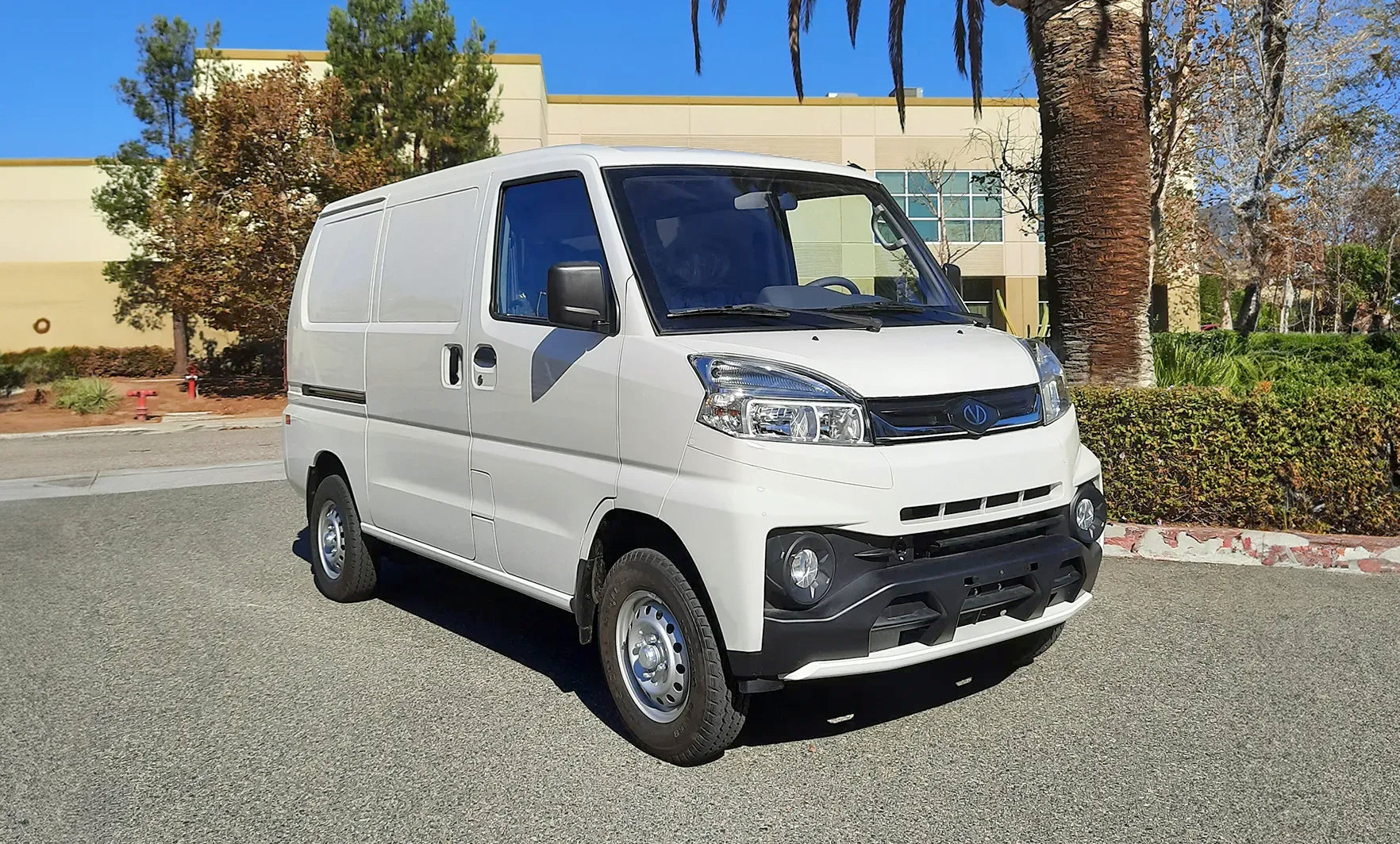
An electric panel van with a cargo divider and mounted storage can help crews organize those materials. The enclosed cargo area helps protect supplies from weather, while lockable doors restrict access when the vehicle is unattended.

4. Supporting After-Hours Work in Occupied Facilities
Hospitals and campuses often schedule maintenance while buildings remain occupied, creating a need for quieter vehicles that limit disruption. Electric models are generally quieter than comparable gasoline-powered commercial utility vehicles and produce no tailpipe emissions. Those qualities can suit approved indoor-outdoor routes.
Indoor operation still requires adequate route clearance,and compliance with site safety rules. Charging should take place in an approved location that meets the vehicle manufacturer’s electrical requirements.
5. Turning Security Patrols Into Mobile Inspection Rounds
Security patrols are common on campuses and hospitality properties, as well as at industrial sites and managed residential communities. These patrols aren’t just about deterring intruders. They frequently include door inspections, property documentation, or responses to reported problems.
Low-speed vehicles can serve as mobile inspection stations with room for communication gear and records. Warning lights, dash cameras, and visible identification can support particular assignments when available and used under applicable rules.
6. Collecting Waste and Recyclables Around a Property
A compact utility vehicle can gather bags or recyclable material from small collection points, then move the load to a central disposal area.
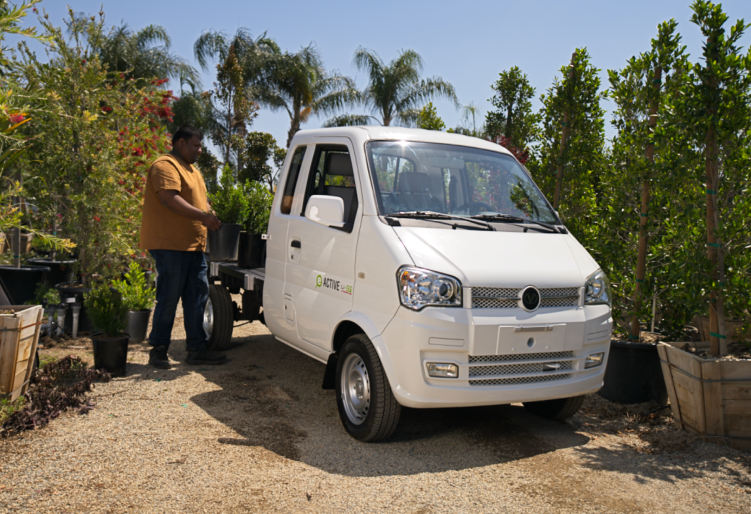
Vantage offers an electric extended cab truck with available 700-pound-capacity refuse hopper and tipper dump configurations. These options are designed for collection work on approved roads and maintained property surfaces.
Choose a Purpose-Built Electric LSV for Your Crew

Start with the assignment, then match the vehicle body and model-specific equipment to its operating requirements. Vantage offers U.S.-assembled electric utility vehicles in truck and van configurations and holds an active GSA Schedule contract.
Available features and model-specific options include:
-
Fully enclosed truck and van configurations with lockable doors
-
Lithium batteries with standard and extended-range options
-
Dedicated 20-amp charging with an optional J1772 input
-
A governed 25-mph top speed and street-legal eligibility where permitted
-
Mobile first-aid and warning-equipment configurations
-
Mounted storage, toolboxes, and ladder racks
-
Refuse hoppers, tipper dump beds, liftgates, and towing hardware
Model-specific equipment can turn Vantage’s truck and van platforms into maintenance units, collection vehicles, mobile inspection stations, or first-aid support vehicles.
Explore Vantage electric fleet vehicles and customization options, then feel free to ask our team about the right LSVs for your crew.
FAQs
What can electric utility vehicles be used for besides hauling?
They can support a range of tasks, including but not limited to first-aid staging, event coordination, supply runs, inspection rounds, and satellite waste collection. The configuration must match the route and job requirements.
How do crews use electric LSVs indoors?
Crews may use them on facility-approved indoor routes for maintenance or supply movement because electric models produce no tailpipe emissions. The site must still confirm route clearance, operating rules, and charging arrangements.
When are electric models better than gas utility vehicles for fleet work?
They can be a better fit in environments that call for vehicles with low noise, no tailpipe emissions, and convenient on-site charging. Gas models may suit other duty cycles, and EV maintenance still includes routine vehicle inspections.
Can an electric utility vehicle be customized for different jobs?
Yes. Vantage electric utility vehicles offer model-specific customization options that may include tool storage, cargo dividers, refuse hoppers, tipper beds, ladder racks, towing hardware, and warning equipment.
How much can an electric utility vehicle carry or tow?
Carrying and towing limits vary by model and configuration and must account for occupants and installed equipment. For example, Vantage has 700-pound-capacity refuse hopper and tipper dump options for the electric extended cab truck, plus towing up to 1,500 pounds with the specified optional rear bumper and receiver.