Fisheries and Aquaculture

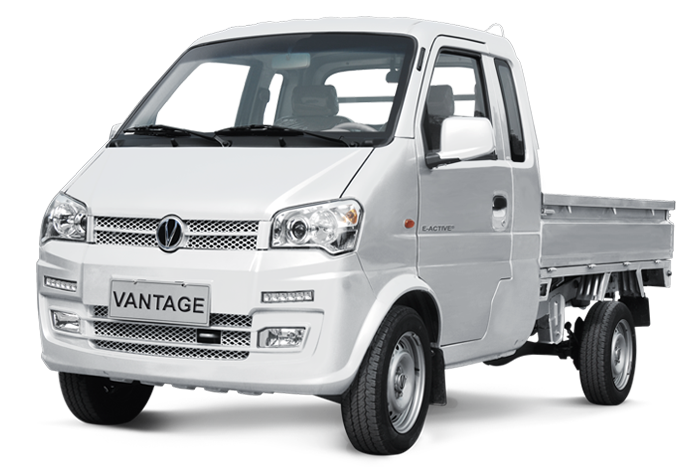
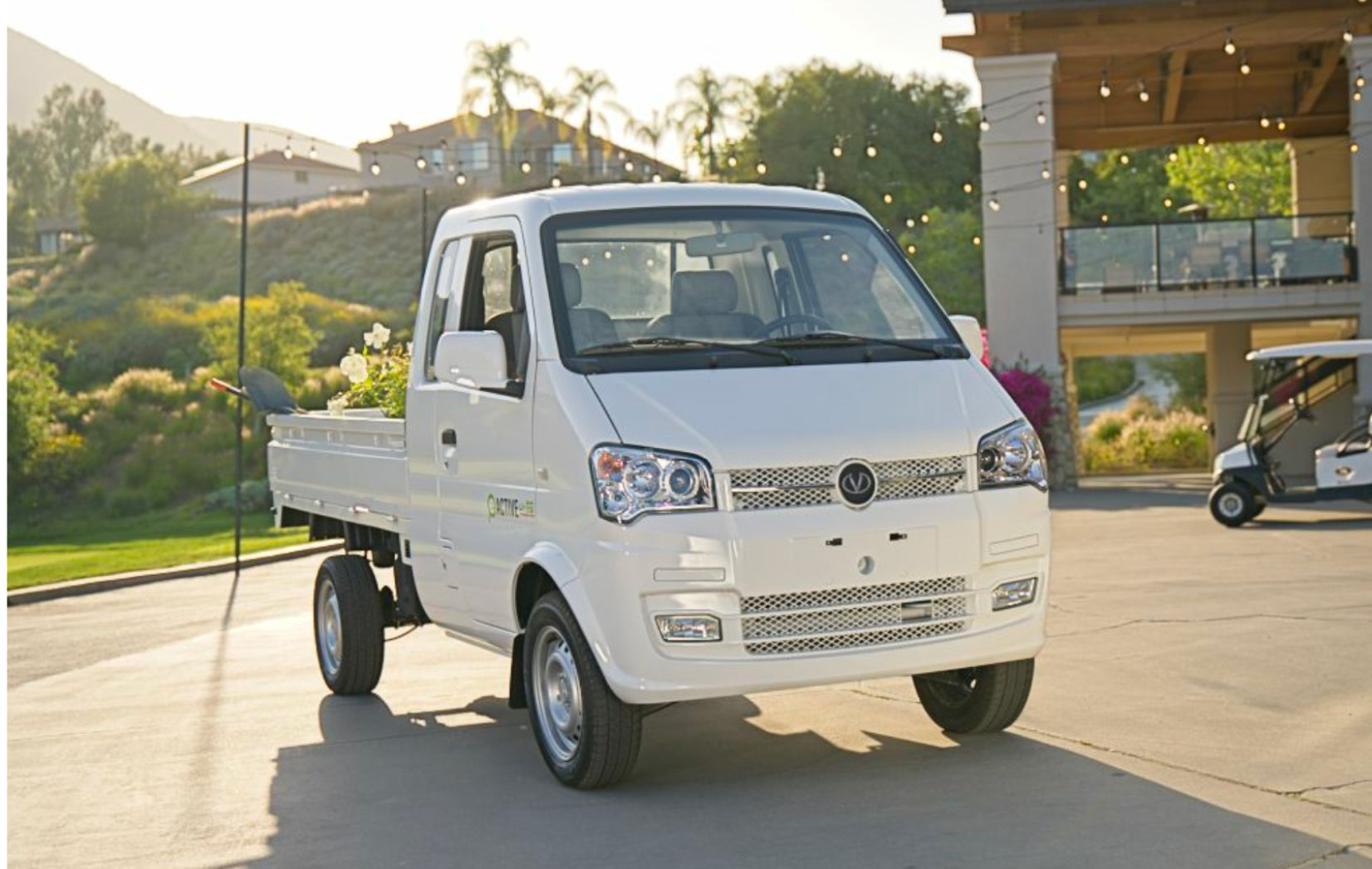
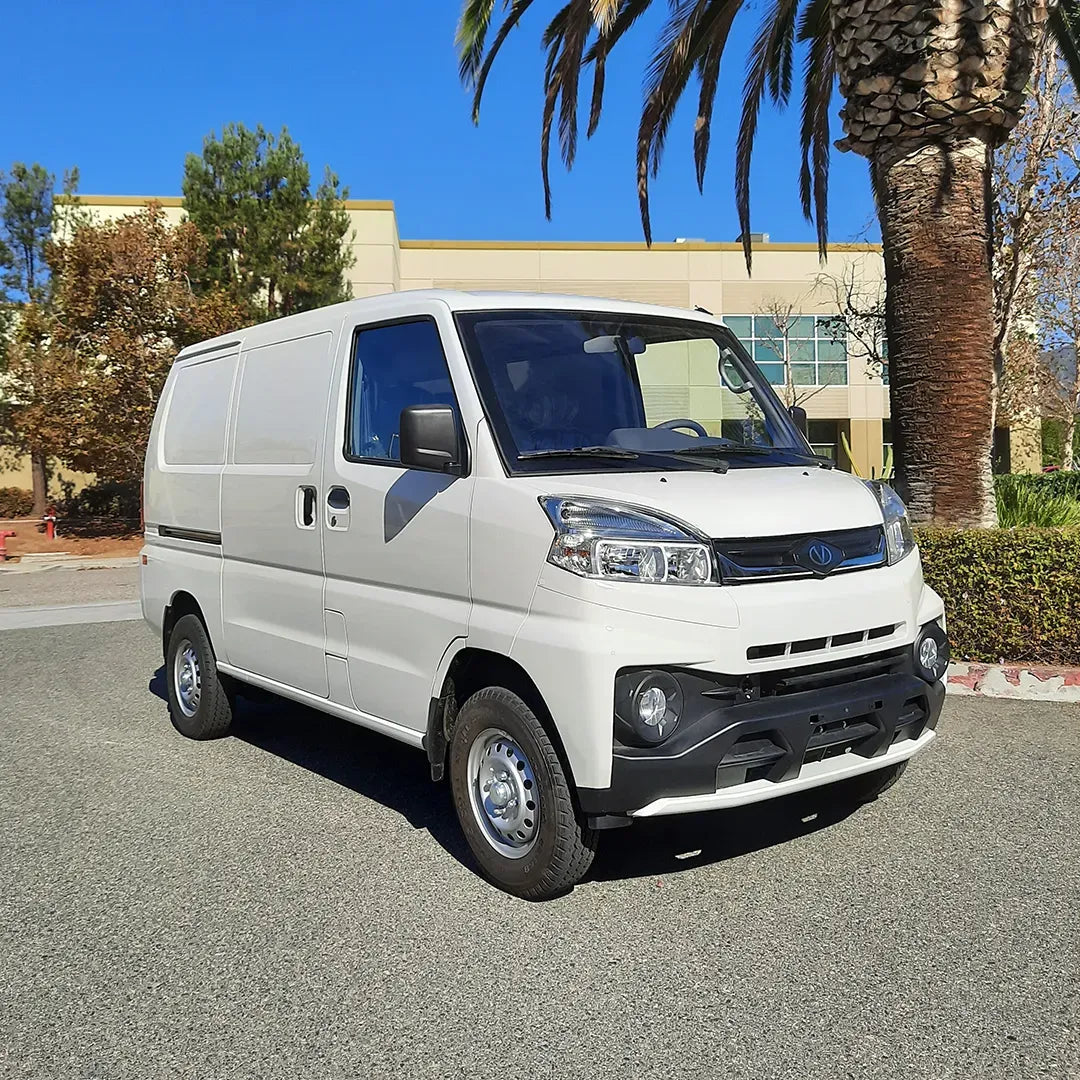
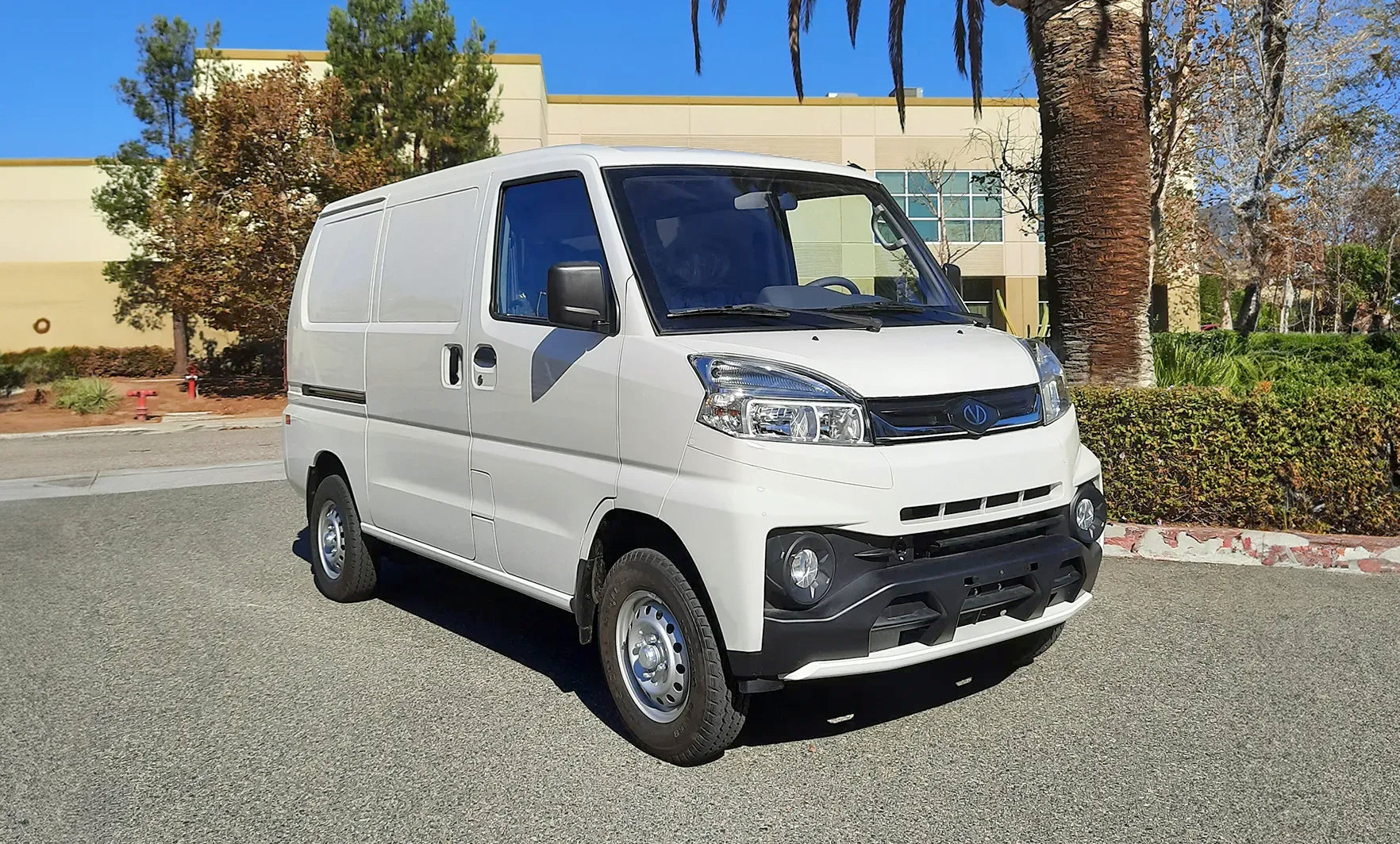
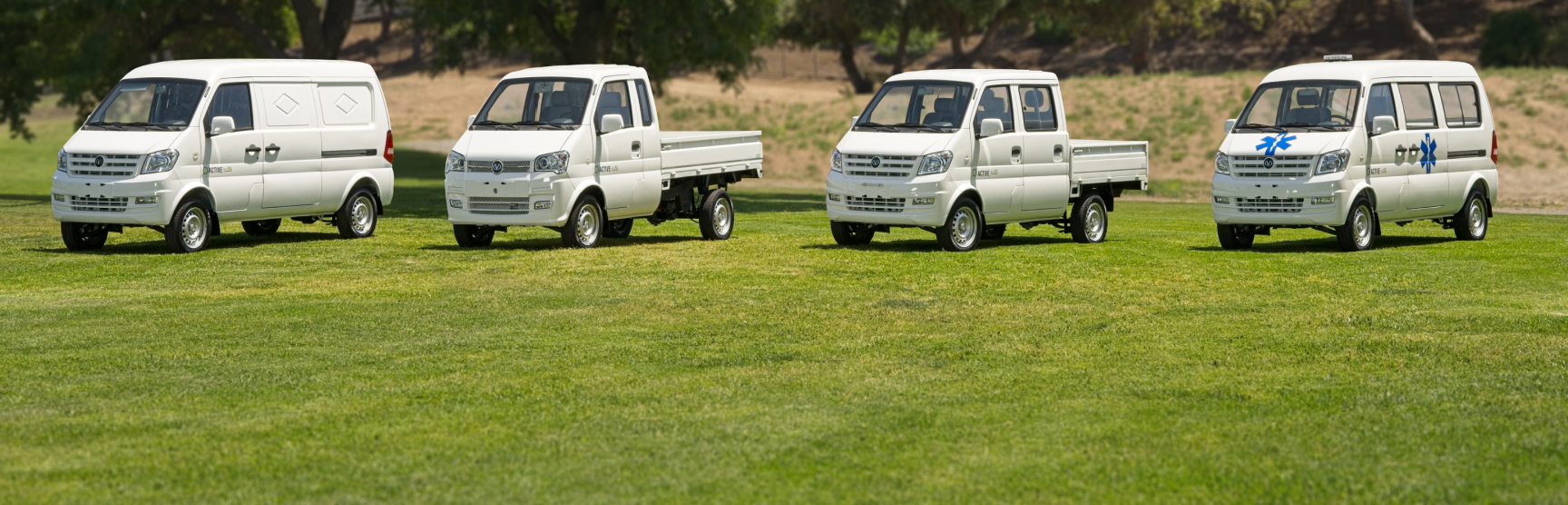
Fish production creates transportation demands that differ from those at a conventional warehouse or campus. A vehicle may travel from indoor hatchery tanks to pond roads and feed-storage areas during one shift. Vantage Vehicle offers fully enclosed low-speed vehicles for fisheries in electric and gas-powered configurations, with truck and van body styles suited to different assignments. 

By matching aquaculture facility utility vehicles to defined routes, managers can help crews move people and materials across the property.

Low-Speed Utility Vehicles for Fisheries and Aquaculture Facilities

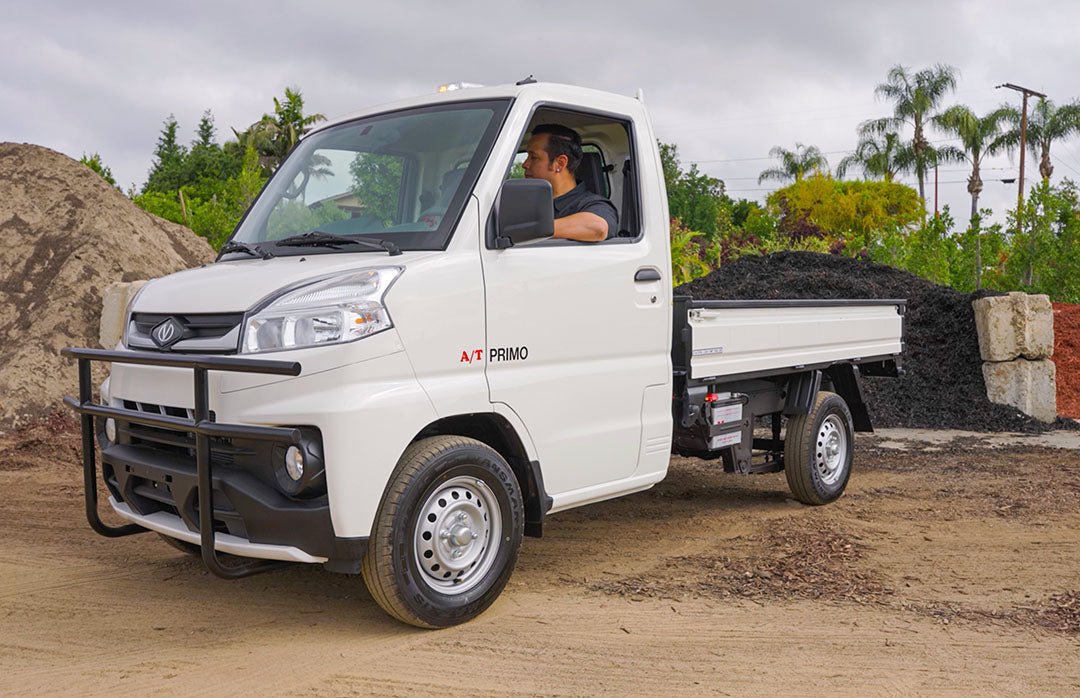
Although layouts vary, many daily assignments involve short trips that occur several times per shift. LSVs for fish farms can carry water-quality instruments to sampling points, while open-bed models, used as fishery maintenance trucks, provide space for tools and pump components. When employees travel between production rooms and outdoor work areas, window vans or crew cab trucks can serve as fish hatchery personnel transport vehicles.

Powertrain selection should reflect charging access, route length, and the time between assignments:

  • Electric models: Since our electric mini trucks for fish farms produce zero tailpipe emissions and little powertrain noise, they suit frequent trips near hatchery buildings. The lithium-electric line charges from a dedicated 20-amp circuit, while an optional J1772 input supports 240-volt Level 2 charging. With predictable schedules, these feed-hauling electric vehicles for fish farms can recharge between work periods.
  • Gas-powered models: We also provide gas-powered LSVs for fish hatcheries that lack convenient charging access or require longer duty cycles. The gas-powered Standard Truck offers nearly 1,800 pounds of payload capacity for feed and equipment.

Vantage electric low-speed vehicles for fisheries are governed to a maximum speed of 25 mph and are street legal on roads posted at 35 mph or less in most states, subject to applicable law. Each electric vehicle has a VIN and can be registered in accordance with state regulations. 

Because public-road eligibility for gas-powered models varies by vehicle and jurisdiction, managers assigning low-speed vehicles for commercial fisheries should confirm route and traffic requirements. 

Corrosion-Resistant LSVs for Wet and Outdoor Environments

Because water, damp feed, and organic residue may contact a vehicle during normal use, fleet planning should account for exposure and ongoing care. Vantage electric models use full-metal unibody construction, with optional spray-on coatings available for truck beds and vehicle undersides. As protective barriers over commonly exposed areas, these coatings can benefit outdoor aquaculture utility vehicles used near ponds or wet production zones.

Protective coatings do not establish marine-grade corrosion resistance or replace regular cleaning and inspection. When aquaculture facility maintenance vehicles are exposed to salt water or salt spray, managers should establish a cleaning and inspection schedule based on the level of exposure. Because salt deposits can accelerate corrosion on metal components, low-speed vehicles for commercial fisheries near coastal waters may require more frequent care than vehicles at freshwater facilities. 

Fully enclosed cabs help shield occupants from rain and wind, while climate-control options can make seasonal rounds more comfortable. Even with these features, outdoor aquaculture utility vehicles should remain on firm, maintained surfaces with suitable traction.

"We have been working with Vantage for 4 years now and I’m very impressed with the vehicles and the company. The fit and finish of the vehicles is top quality and are built to last. I like that they have a solid feel to them. The support from Vantage is some of the best I have had in my 25 plus years selling equipment. Whenever I have a technical question, Nathan and Brian have respond quickly and more importantly accurately. Cami and Drew in the front office are a pleasure to deal with. Vantage is simply the best supplier of electric vehicles that I have dealt with."

Chris P.

Cubex Ltd.

"Vantage Vehicle International Inc. has been a great company to work with. They always have prompt responses to emails and phone calls.

 Every aspect of working with them from quoting to building the vehicle, delivery, and service have all been handled with clear communication and follow up.

Vantage Vehicle International is an excellent company with superior customer service and exceptional products."

Steve B.

CEO, Golf Industry

"Vantage provides quality vehicles and excellent customer service."

Ethan L.

Senior Warehouse Technician & Fleet Coordinator

"Vantage Vehicle was great to work with throughout the purchase process of our new beverage carts and they have far superior vehicles compared to others available in the golf industry.”

General Manager

Top 100 Hotel Golf Club

Efficient Transport for Hatchery Operations and Feed Hauling

When assigned according to body style, low-speed utility vehicles for aquaculture environments can limit unnecessary handling. A utility vehicle with suitable seating and cargo space also helps crews avoid rearranging passenger areas between assignments.

Common assignments include:

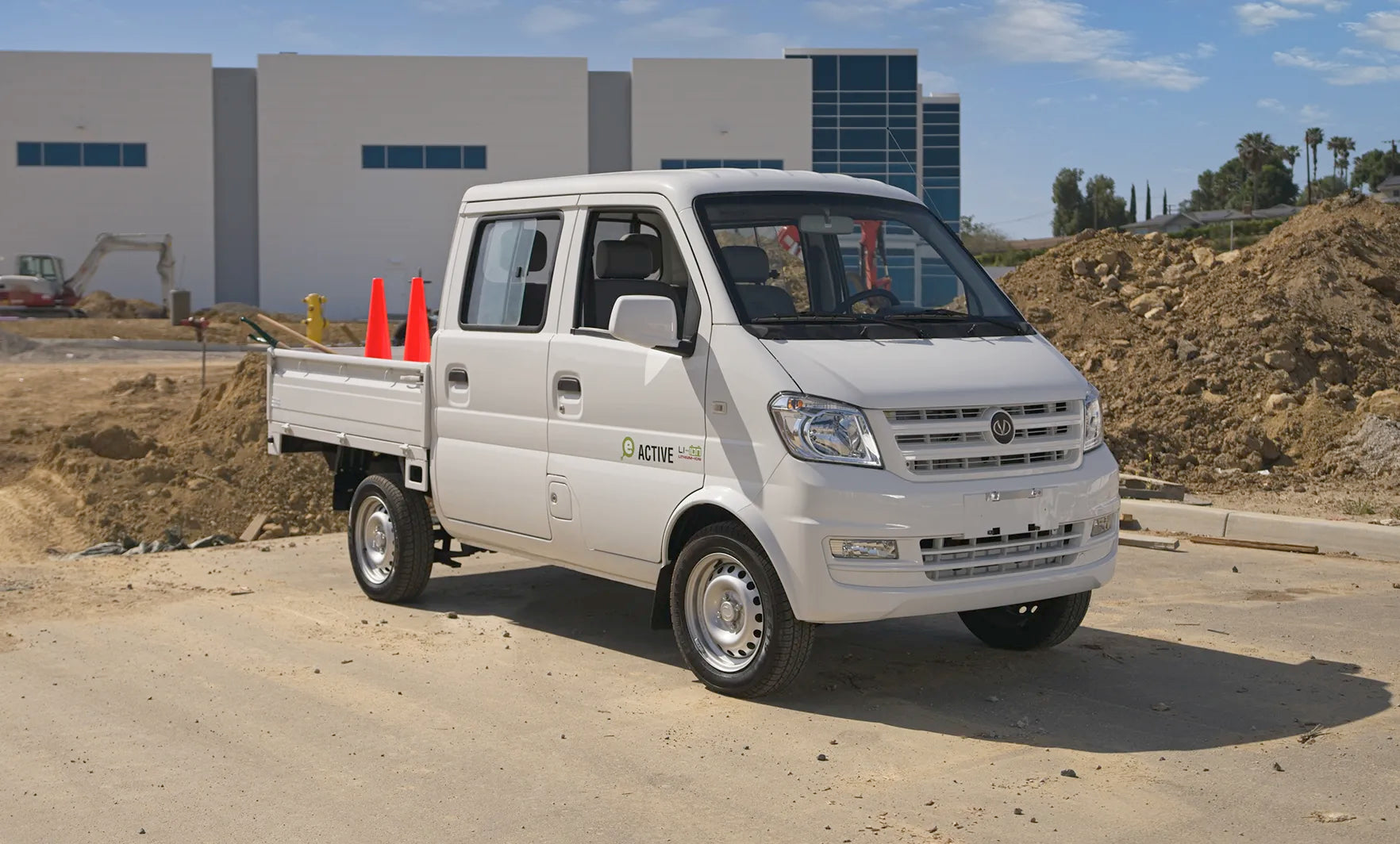
  • Hatchery transportation: Because window vans keep occupants enclosed, they can operate as fish hatchery personnel transport vehicles between production and support areas. Crew cab LSVs for fish hatcheries accommodate employees and equipment on the same trip.
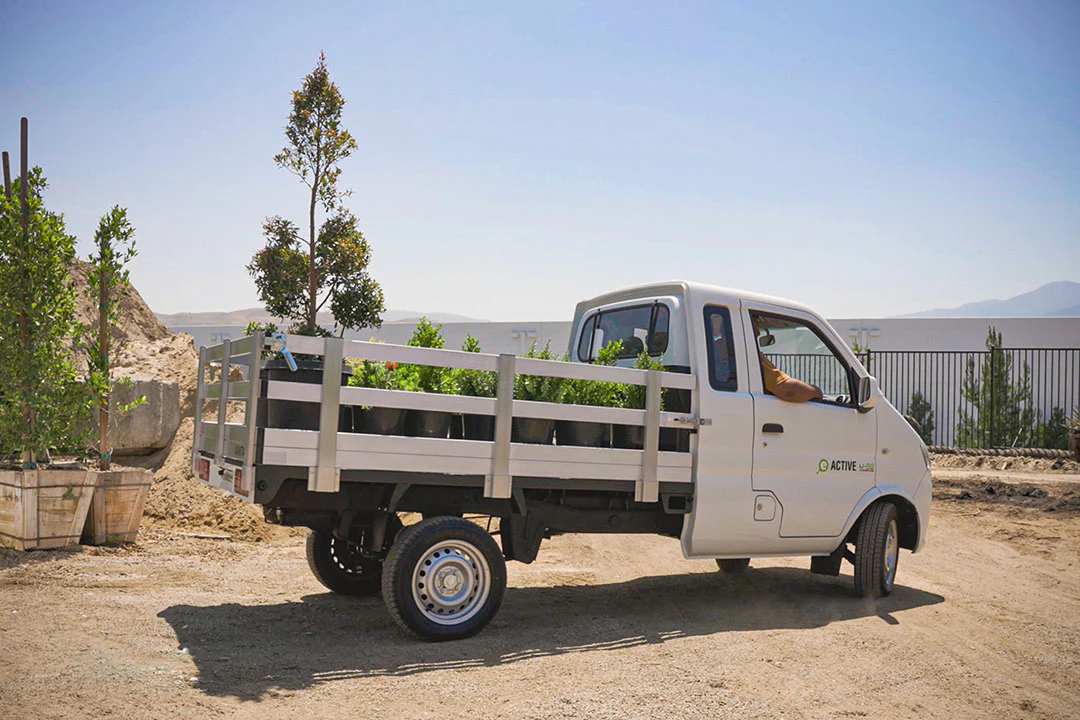
  • Feed delivery: With bed sides that fold down for access from the rear and both sides, fishery maintenance trucks simplify the handling of bagged or containerized feed. Feed-hauling electric vehicles for fish farms can also complete repeated rounds without producing tailpipe emissions at the point of use.
  • Maintenance and inspection: When technicians need meters or replacement components at a pump station, aquaculture facility utility vehicles can bring the equipment closer. With toolboxes available for selected trucks and panel vans for enclosed supplies, these aquaculture facility maintenance vehicles can support recurring service tasks.
  • Cargo separation: By assigning LSVs for fish farms according to body style, managers can keep wet materials out of passenger compartments and reserve enclosed seating for employees.

For higher-volume hauling, the electric Extended Cab Truck has an 88.2-by-55.1-inch bed, making it a practical base to support feed-hauling electric vehicles for fish farms. Where passenger capacity also matters, the electric Crew Cab Truck combines employee movement with cargo handling. Depending on the model, an aluminum stake bed, liftgate, or mounted tool storage may also be available.

Why Vantage Vehicle for Fisheries and Aquaculture

Having supplied utility vehicles for more than 25 years, Vantage offers a variety of reliable platforms for fishery routes and workloads. Our GSA-approved electric trucks and vans are assembled in the United States, with a stated range above 30 miles and an optional battery pack that extends the stated range beyond 50 miles. Actual range varies with operating conditions.

Managers can compare configurations according to:

  • Cargo requirements: Used as fishery maintenance trucks, Vantage’s open-bed models provide accessible cargo space for feed and service equipment.
  • Passenger capacity: Window vans and crew cab models can serve as fish hatchery personnel transport vehicles.
  • Work schedule: Electric vehicles suit operations that can incorporate on-site charging, while gas-powered LSVs for fish hatcheries accommodate work cycles for which charging is impractical.
  • Body configuration: Panel vans protect enclosed cargo, while open beds provide direct access to working materials.

Contact Vantage Vehicle to compare truck and van configurations for your routes, loads, and operating conditions.

Fisheries and Aquaculture LSV Customizations

Learn more about Vantage Vehicle's customization for your low speed vehicle for your fisheries and aquaculture.

Learn More