How Festivals Use LSVs to Keep Operations Running

At music festivals, the work continues long after the gates open. Vendors need fresh supplies, technicians move between stages, and cleanup crews prepare for the next crowd. Keeping those jobs on schedule takes dependable event transportation.
Low-speed vehicles (LSVs) help your teams cover the grounds with the people, tools, and supplies they need. From the first delivery to final cleanup, these utility vehicles support the everyday work behind a successful festival.
Why Festivals Depend on Low-Speed Vehicles
Festival sites often spread stages, vendor booths, parking, and storage across a large property. Repeated walks between those areas take event staff away from their assignments.
Low-speed vehicles give your event management team a practical way to connect those work areas. Passenger models handle crew transportation, while trucks and cargo vans support deliveries along designated service routes.
4 Key Festival Operations LSVs Support
Your event operations involve several departments working at once. Different vehicle configurations help each team handle its responsibilities.
1. Staff and Crew Transport
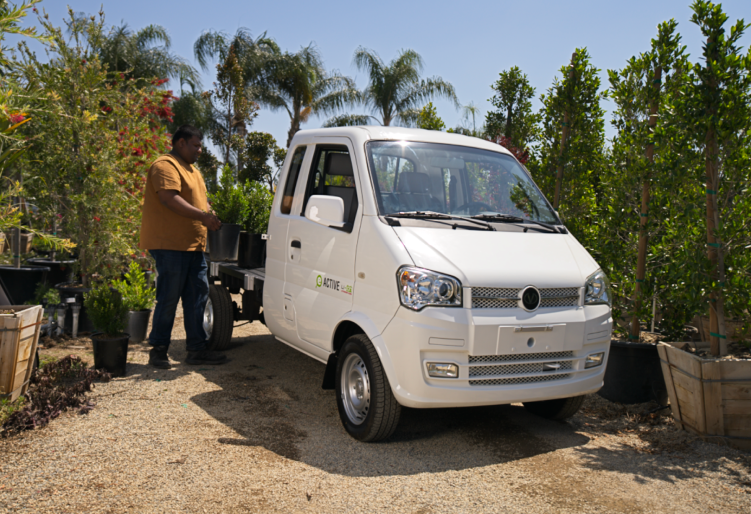
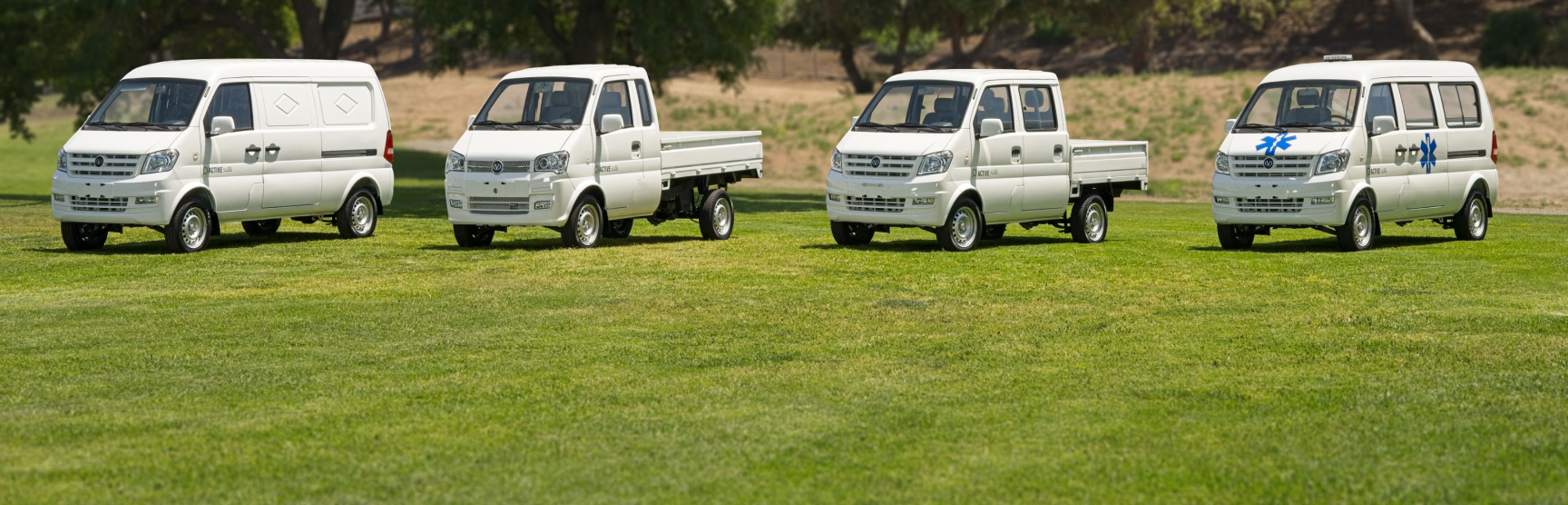
Stage managers, technicians, and gate supervisors need to move between work areas throughout the day. Our Electric Passenger Window Van offers up to six seats in an enclosed cabin, with sliding doors on both sides for convenient access. For teams traveling with equipment, our Crew Cab Truck combines enclosed seating with an open cargo bed.
2. Vendor Restocking and Supply Deliveries
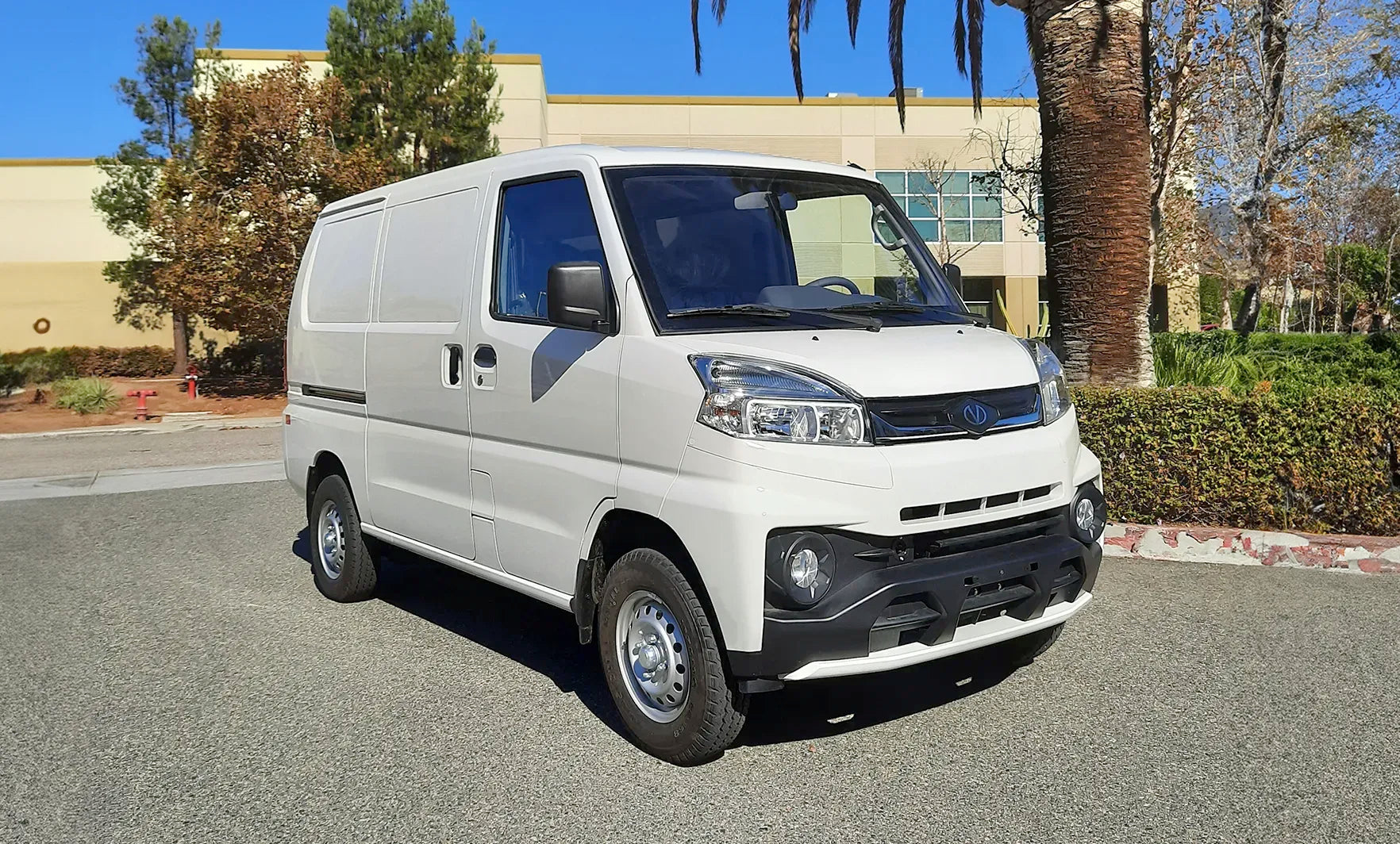
Food, beverage, and merchandise vendors need deliveries without long interruptions to service. Our Extended Cab Truck has rear and side bed openings that make supplies easier to load and unload. The Electric Panel/Cargo Van provides enclosed storage for merchandise, packaging, and equipment that need protection from the weather.
3. Medical and Security Response
Dedicated emergency-response LSVs help responders bring personnel and equipment closer to an incident. Our Ambulance Kit vans offer medical storage, a patient cot, and attendant seating. Festival security teams also use LSVs for patrols and incident support. Plan clear response routes through busy areas, with controlled speeds around pedestrians.
4. Waste Management and Grounds Maintenance
Between sets, cleanup crews collect trash, replace liners, and move maintenance supplies. Our Tipper Dump offers electro-hydraulic unloading to simplify waste disposal. The Refuse Hopper configuration gives grounds teams another option for collection rounds across the venue.
Electric vs. Gas LSVs for Event Grounds

Electric utility vehicles produce zero tailpipe emissions and less powertrain noise than gas models, making them useful near performances, food service, and gathering areas. An electric utility vehicle fits recurring routes when battery capacity and charging access support the schedule. Quieter operation also helps limit disruption around first-aid stations.
Gas-powered models offer quick refueling for extended shifts or remote grounds with limited electrical access.
Compare range under expected loads, then account for charging or fueling breaks in your event logistics plan.
Customization That Matches Festival Needs
The right equipment helps your fleet handle more specific assignments. Depending on the model, Vantage’s customization options include:
- Cargo storage: Lockable toolboxes, storage bins, cabinets, and stake-bed sides.
- Waste collection: Refuse hoppers and tipper dump beds for collecting trash and unloading debris.
- Medical configurations: Ambulance kits with patient accommodations and organized medical storage.
- Lighting: Auxiliary lighting and security lighting packages for nighttime work.
- Battery options: Extended-range packs for longer daily routes.
For transitions onto public roads, our electric LSVs include equipment such as seat belts, mirrors, and lighting. Confirm that your vehicle and intended route meet applicable road-use requirements.
Choosing the Right LSV Fleet for Your Event

Build your festival fleet with Vantage Vehicle. We offer electric and gas-powered trucks, passenger vans, and specialized configurations to support festival management from setup through breakdown.
Our electric LSVs reach a governed top speed of 25 mph and are street-legal on roads posted at 35 mph or less, where state and local rules allow. They have VINs and can be registered with the state, making them a practical option for short supply runs into town along permitted routes that don’t require highway travel.
Bring us your site layout, operating hours, terrain details, and passenger and cargo requirements. We’ll help you compare configurations, charging needs, and service support to build a fleet that fits your event.
Contact our team to discuss your event and request a quote.
FAQs
What is a low-speed vehicle and how is it used at festivals?
An LSV is a motor vehicle built for low-speed travel, with a maximum speed of 25 mph and required safety equipment. Festivals use LSV vehicles for staff transportation, deliveries, maintenance, and response support.
How many LSVs does a large festival typically need?
Fleet size depends on simultaneous assignments, route lengths, and operating hours. Count dedicated departmental vehicles, shared utility carts, and backup capacity.
Are electric or gas LSVs better for outdoor events?
A low-speed electric vehicle suits an outdoor festival with adequate charging and predictable routes. Gas models offer quick refueling where charging access is limited.
Can LSVs be customized for medical or security use at festivals?
Yes. Vantage offers ambulance kits and security lighting options, with configurations selected around your response team’s requirements.
Are festival LSVs street-legal for use outside event grounds?
Vantage’s electric LSVs are designed for qualifying public-road use. Confirm local route restrictions, registration, insurance, and driver requirements before leaving the grounds.