Parking Enforcement Vehicles: Why Cities Choose LSVs

Parking enforcement vehicles spend much of the day covering short distances and making repeated stops. For cities assigning larger fleet vehicles to that work, a compact low-speed vehicle can be a practical alternative. Street-legal low-speed vehicles (LSVs) carry officers and citation equipment between parking areas, with electric models that reduce reliance on gasoline.
More Room to Maneuver During Parking Checks
A compact LSV’s smaller footprint leaves more clearance beside parked cars and within narrow garage aisles. That matters when parking patrol officers repeatedly position the vehicle to check spaces, pull over to issue citations, and continue through occupied parking areas.
A Smaller Vehicle With an Enclosed Cab
Choosing a street-legal LSV does not mean giving up familiar cab features. Vantage’s electric utility vehicles provide:
- Enclosed cabins for shelter between outdoor parking checks.
- Heating and defrosting for cold-weather operation and windshield visibility.
- Available front A/C for hot-weather assignments.
These features let departments consider an LSV without moving officers into an open-air vehicle.
Manage Operating Costs and Simplify Upkeep
LSVs can offer a lower purchase price than larger fleet vehicles, depending on configuration. Vantage offers electric and gas-powered options, allowing departments to choose the powertrain that suits their routes and refueling or charging arrangements.
Electric models offer several advantages for daily parking enforcement:
- Potential energy savings through charging instead of gasoline purchases.
- Simpler drivetrain upkeep, with no engine oil changes or spark plug replacements.
- Zero tailpipe emissions and quiet operation around businesses and public parking facilities.
Gas-powered models provide familiar refueling for departments that need quick turnaround between assignments. Across both options, costs depend on the vehicle, installed equipment, usage, and maintenance needs.
Vantage Trucks and Vans for Parking Enforcement
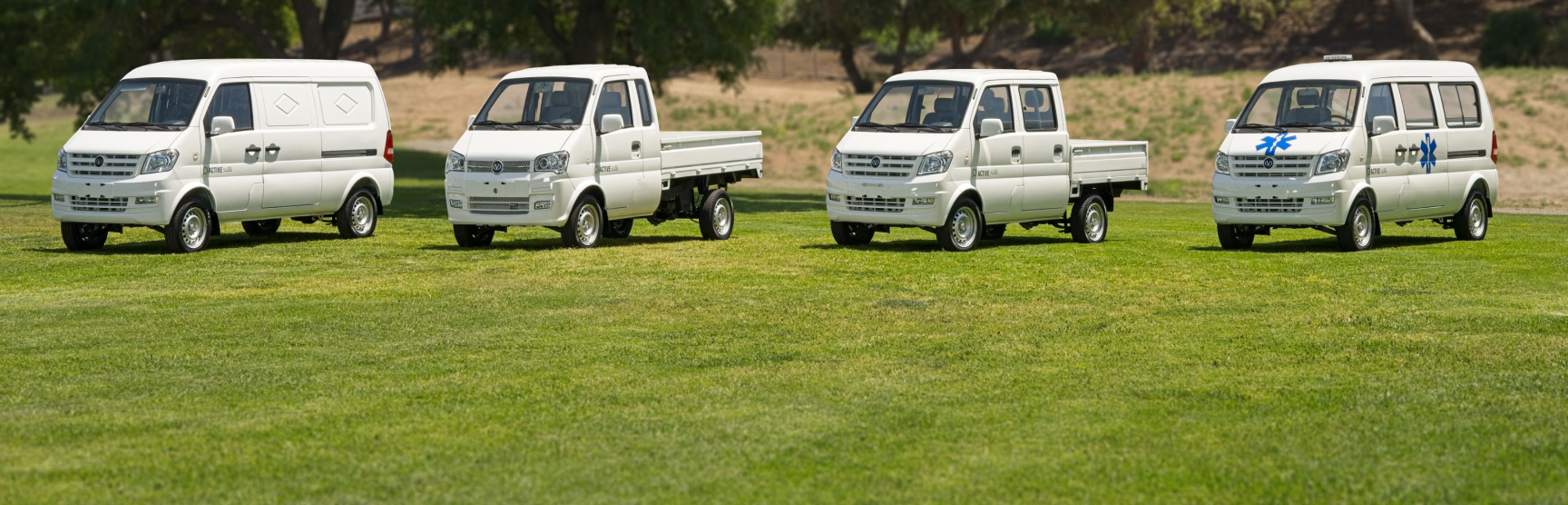
Vantage’s electric low-speed vehicles give parking enforcement teams a choice of cargo layouts, with storage and customization options to suit their assignments.
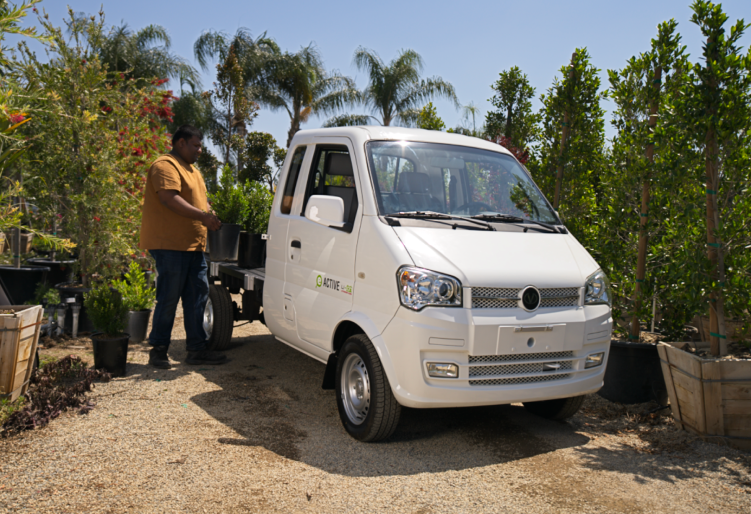
- Our Extended Cab Truck seats two and provides storage behind the seats, plus a separate bed for cones, temporary signs, and larger equipment. Available lockable toolboxes provide secure storage.
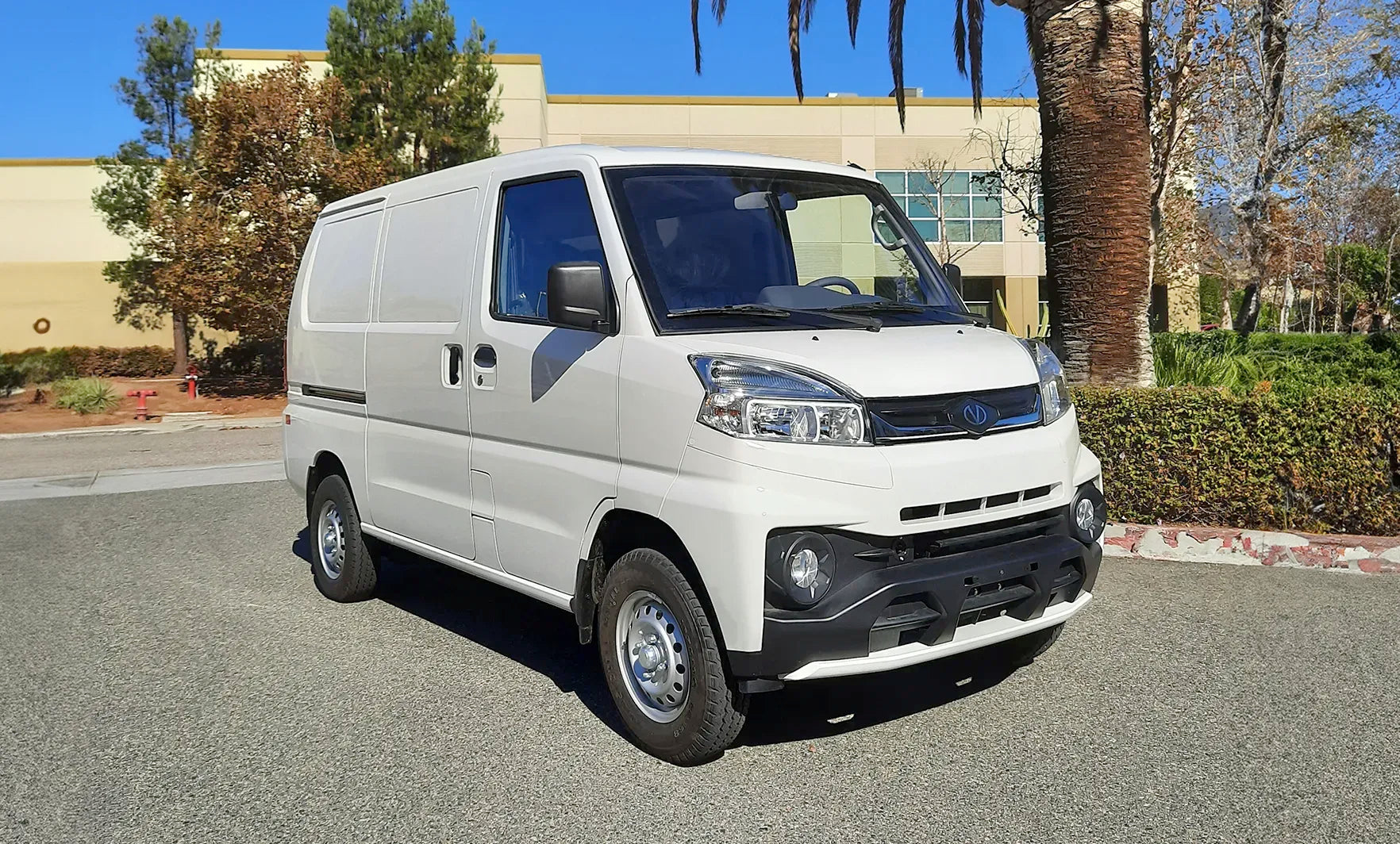
- Our Electric Panel/Cargo Van keeps equipment in an enclosed cargo area. Sliding doors on both sides provide access, while available bins and cabinets keep supplies organized.
Vantage vehicles include practical features for frequent parking checks. Electric power steering helps officers maneuver through tight spaces, while a backup camera provides a view behind the vehicle when reversing. Pedestrian and reverse warning alarms alert people nearby.
Front fog lights and headlight beam-level control support visibility. Power windows let officers easily speak with motorists, and power door locks secure the cab when they step away. DOT-approved three-point seat belts are also standard.
Explore our customization options or speak with our team about the features available for each model.
Equip Your Parking Enforcement Team With Vantage Vehicle

Build your next parking enforcement vehicle with Vantage Vehicle. We manufacture manufacture fleet vehicles for departments that need dependable transportation and organized equipment space in both electric and gas-powered models. Contact our fleet team to select your model, discuss customization, and request a quote.
FAQs
Are LSVs street legal for parking enforcement?
Yes, compliant LSVs can operate on permitted public roads. Our electric LSVs reach a governed maximum speed of 25 mph and can use roads posted up to 35 mph where state and local rules allow, subject to applicable registration, insurance, and licensing requirements.
Can an electric LSV cover a full parking enforcement shift?
Our electric LSVs can travel 30+ miles per charge with the included 100 Ah battery pack and 50+ miles with the optional 163 Ah pack. Full-shift coverage depends on daily mileage and operating conditions, including terrain, payload, temperature, and accessory use.
How are Vantage electric LSVs charged?
Our electric LSVs can charge from a standard 110-volt outlet on a dedicated 20-amp circuit, typically taking six to seven hours. For faster charging, the optional J1772 package allows charging from a 240-volt EV charging point, reducing charging time by approximately 40%. Actual charging time varies with the battery and charging setup.
Is an LSV the same as a golf cart?
No, an LSV must meet federal requirements under FMVSS 500, while an ordinary golf cart does not automatically meet those requirements. Adding lights or seat belts alone does not establish LSV certification or permission to use public roads.